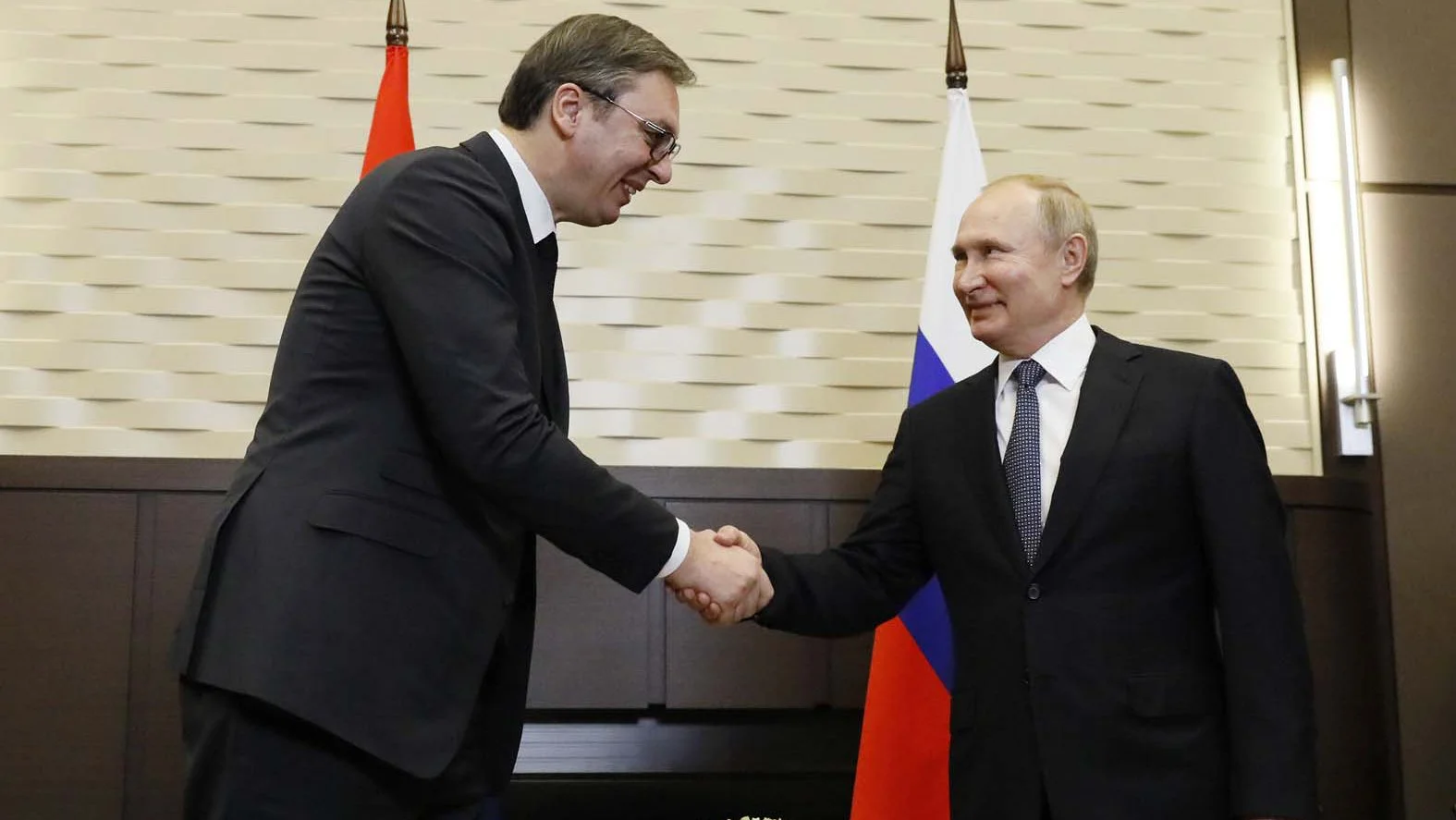
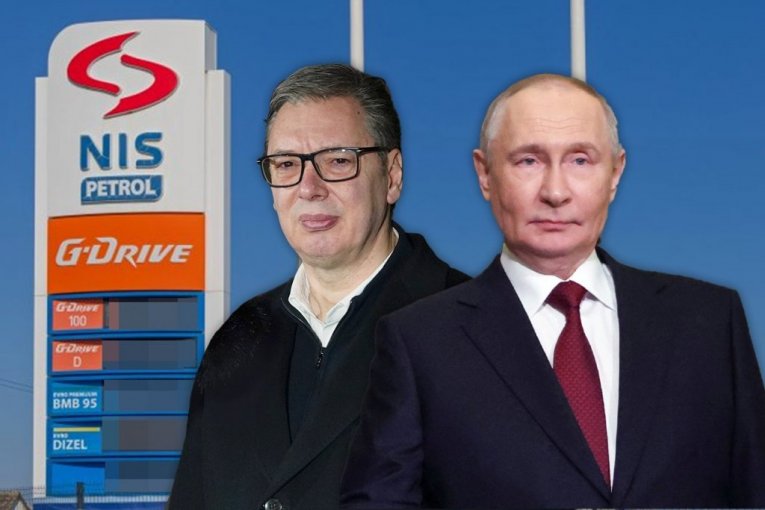
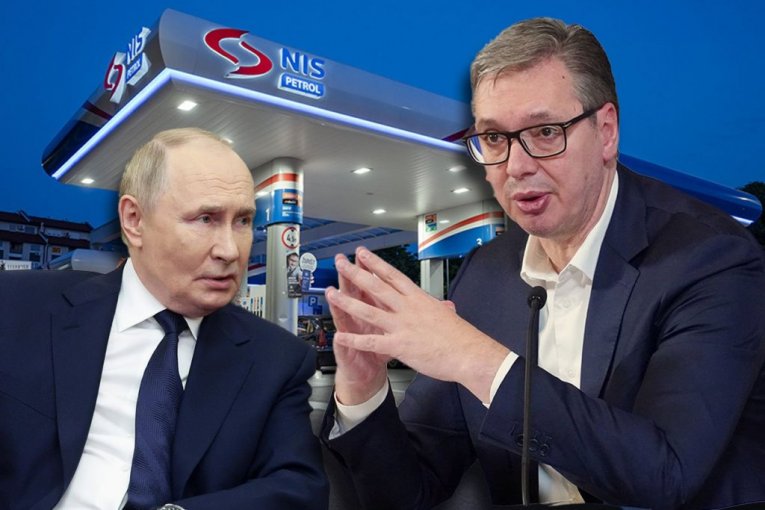
Serbian and Russian leaders Aleksandar Vučić and Vladimir Putin agreed on a three-month extension of Serbia’s gas supply contract with Russia, with both opposition and pro-government outlets reporting that the new arrangement is on very favorable terms compared to current European market prices. Both sides note that household prices will remain stable and that prices for many businesses are expected to decrease, framing the deal as a short-term guarantee of supply and price stability. Coverage agrees that the arrangement was personally negotiated between Vučić and Putin, that Russia remains Serbia’s dominant gas supplier, and that the immediate effect is to ensure uninterrupted gas deliveries to Serbia for the next quarter. Reports also converge on the point that Serbia’s current pricing formula is still linked to oil rather than volatile spot gas prices, which helps keep the contracted price relatively low.
Opposition and pro-government sources both describe the deal within a broader framework of Serbia’s multi-year energy planning and infrastructure development, including expanded storage capacity and new interconnections such as links to Azerbaijan and other alternative suppliers. There is cross-camp acknowledgment that, despite ongoing diversification efforts, Serbia remains heavily dependent on Russian gas in the short and medium term, and that this dependence shapes its negotiating position. Both sides situate the agreement against a backdrop of global energy uncertainty, rising oil prices, and geopolitical tensions, including risks of wider conflict in the Middle East that could trigger broader energy crises. They also agree that, for now, the extended contract insulates Serbian consumers from the most extreme fluctuations on European markets while larger structural reforms and diversification projects are still being developed.
Areas of disagreement
Nature of the achievement. Pro-government outlets depict the three-month extension as a major diplomatic and economic success, emphasizing Vučić’s personal role in securing “salvation” for Serbia and one of the lowest gas prices in Europe. Opposition-aligned media, while acknowledging the favorable price, frame the same outcome as modest and fragile, stressing that the short duration of the contract undercuts any claim of a strategic breakthrough. Where loyalist coverage highlights Putin’s reliability and insists that Serbia will not be left without gas, critical outlets underscore that repeated three‑month rollovers show Serbia remains in a position of dependency rather than strength.
Trust and political leverage. Pro-government reporting stresses strong bilateral relations and mutual trust between Belgrade and Moscow, presenting the extension as proof that Russia stands by Serbia despite international pressures. Opposition media instead highlight commentary that Russia does not fully trust Vučić, interpreting the short-term nature of the deal as a Kremlin instrument to keep Serbia politically aligned and to retain leverage over assets like NIS. While loyalist outlets downplay any notion of conditionality or pressure from Moscow, critical sources treat the contract structure itself as evidence that Russia is carefully limiting its commitment and monitoring Serbia’s geopolitical moves.
Energy security versus vulnerability. Pro-government sources portray Serbia as securely supplied until at least early 2028 thanks to a broader framework of agreements and infrastructure projects, with the three-month extension presented as one step within a stable long-term arrangement. Opposition outlets counter that actual contractual commitments are short and repeatedly renewed, arguing that this exposes Serbia to recurring uncertainty and potential price or political shocks every few months. Supportive media emphasize filled storage facilities and diversification plans as proof that energy security is under control, while critics stress that alternative sources like Azerbaijan currently lack the capacity to meaningfully replace Russian gas, leaving Serbia structurally vulnerable.
Interpretation of diversification and reform. Pro-government coverage casts diversification moves—such as increased imports from Azerbaijan and new power generation projects—as evidence of a balanced, prudent strategy under Vučić, compatible with continued close energy ties to Russia. Opposition-aligned sources acknowledge these projects but question their pace and sufficiency, arguing that the government uses them rhetorically while keeping Serbia locked into Russian gas and opaque deals. Whereas loyalist outlets frame reforms as proactive and stabilizing, critical media present them as delayed, reactive, and constrained by the political logic of maintaining leverage with both East and West.
In summary, opposition coverage tends to accept the immediate price benefits while stressing dependence, mistrust, and strategic vulnerability in the short-term Russian extension, while pro-government coverage tends to celebrate the arrangement as a diplomatic success that guarantees energy security, affirms strong ties with Moscow, and showcases Vučić’s stewardship within a broader, gradually diversifying energy strategy.