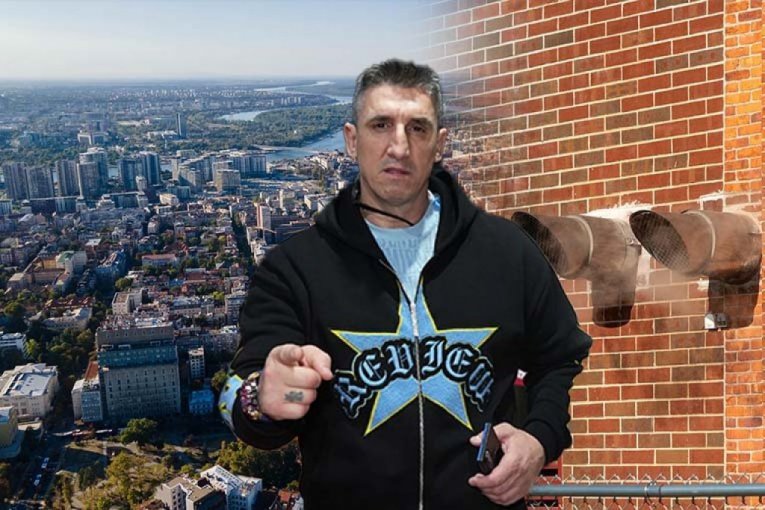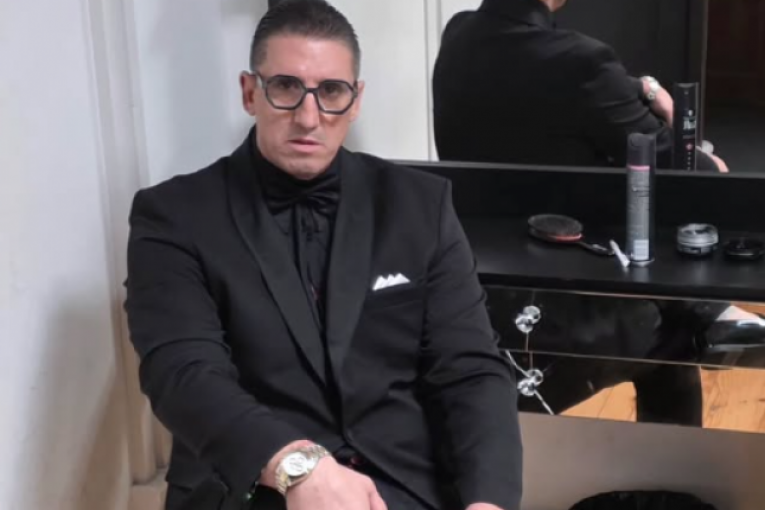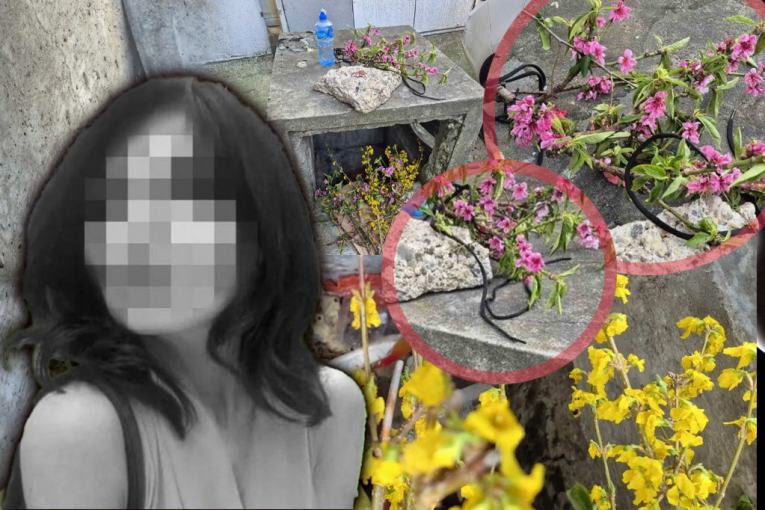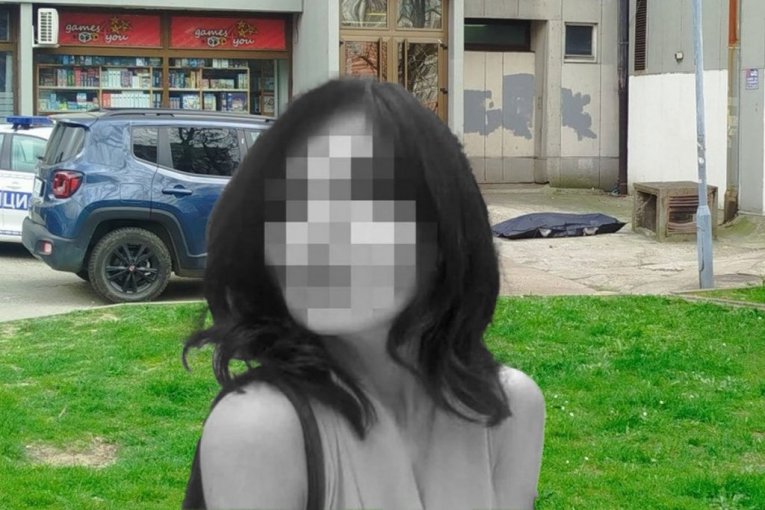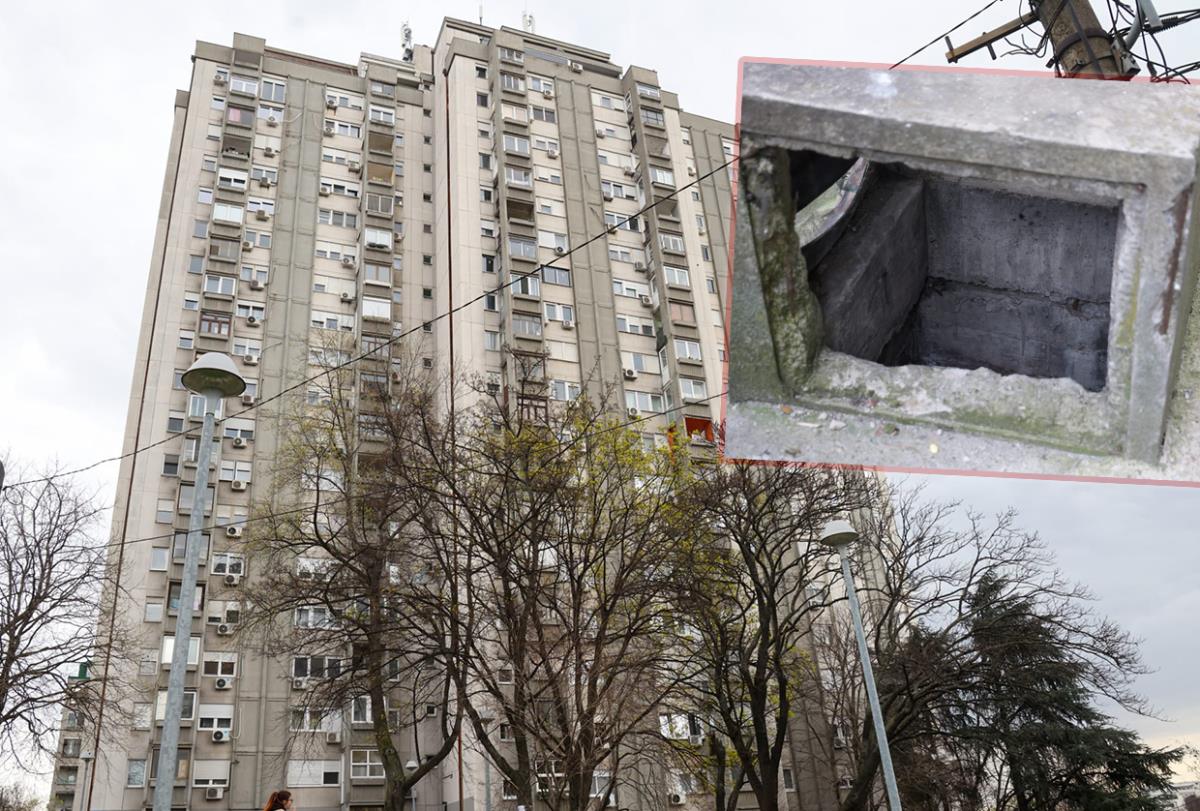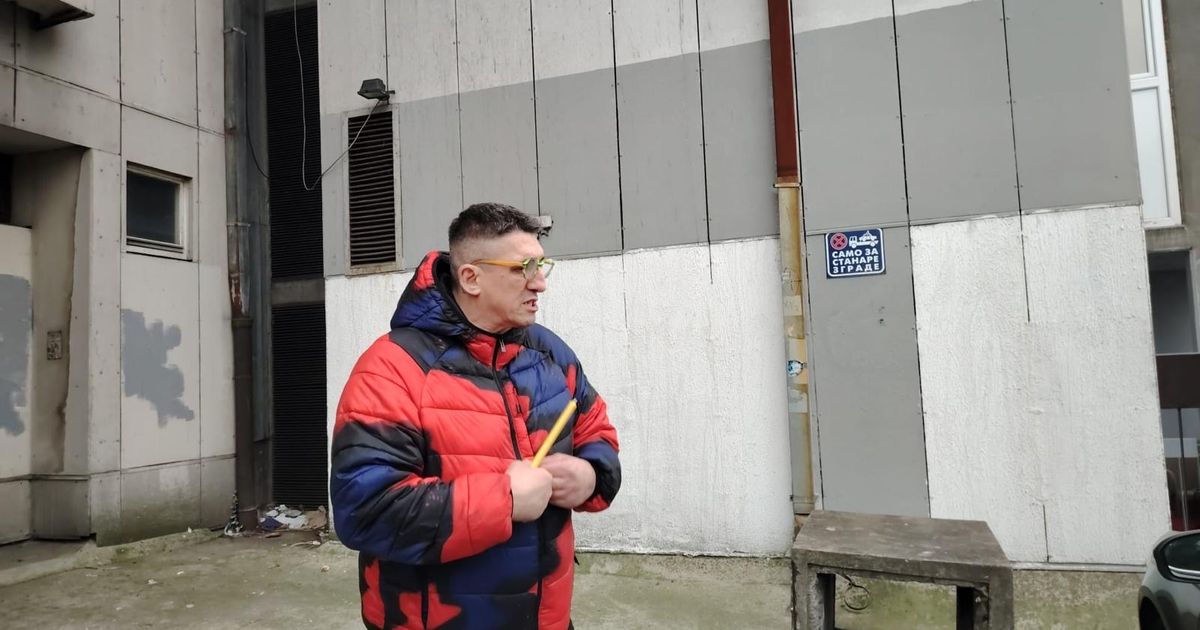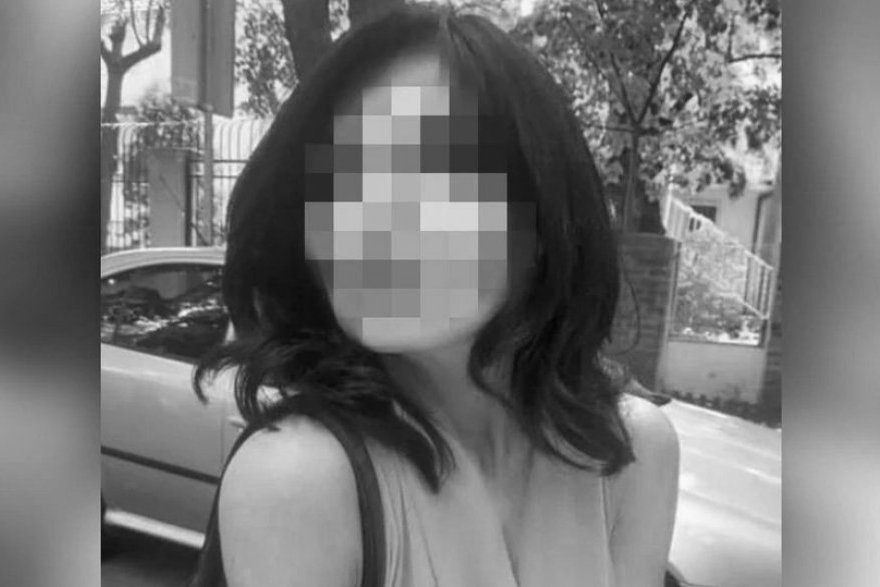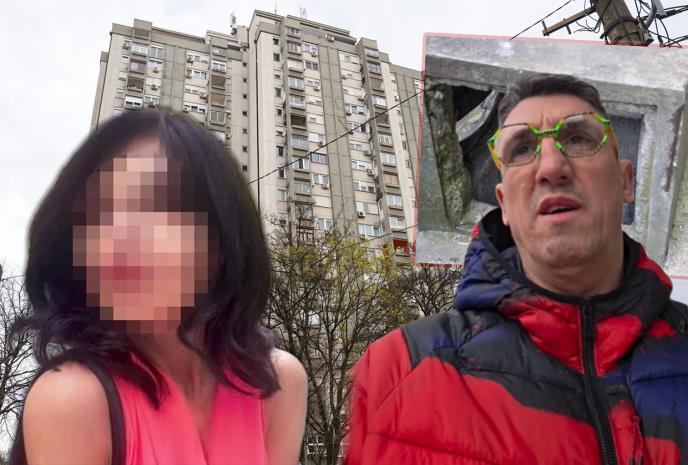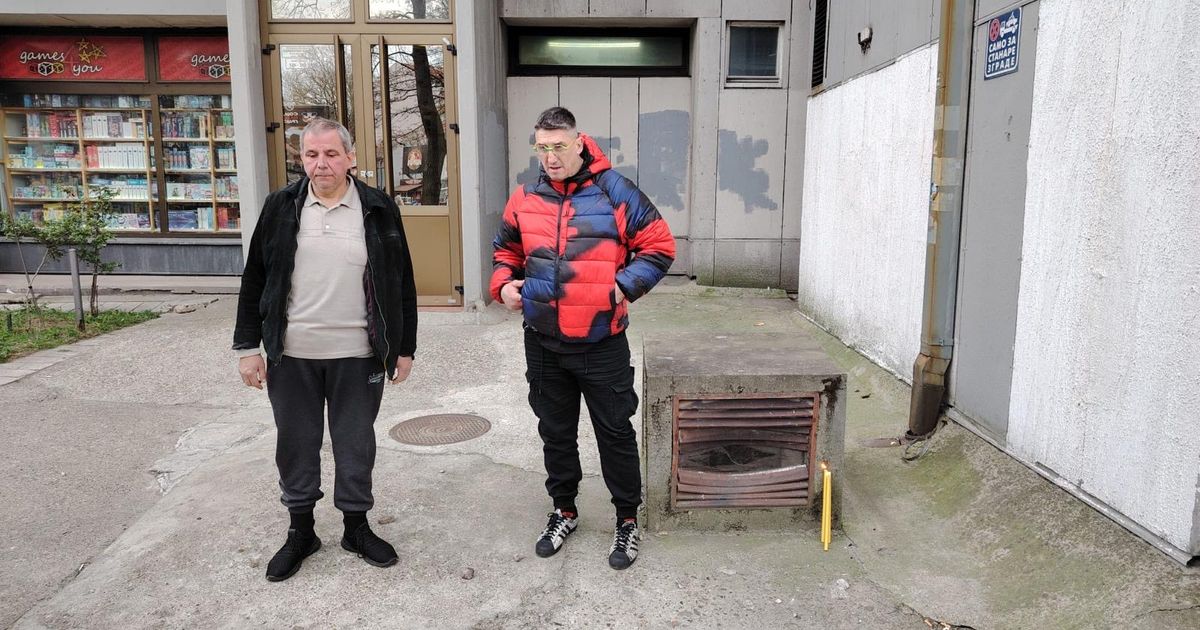


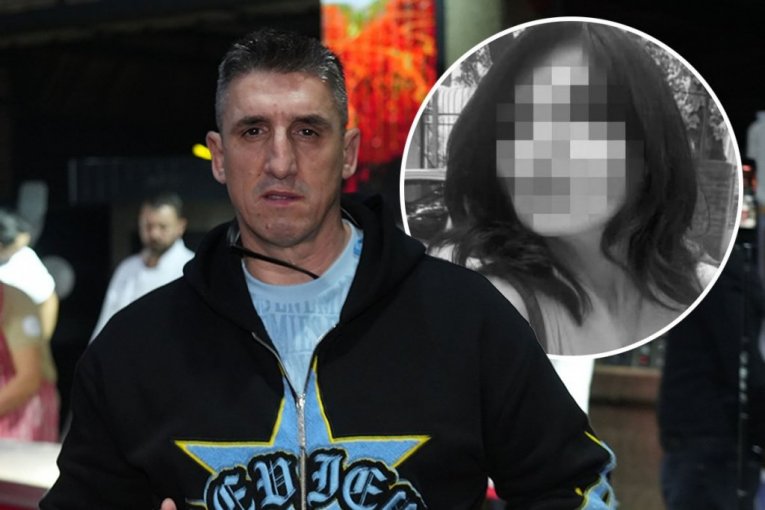
The body of 59‑year‑old artist and tattooist Stela (Stella) Savić, a long‑time friend of reality‑TV figure and ex‑convict Kristijan Golubović, was found in a building ventilation shaft in Belgrade’s Vračar municipality roughly 15–20 days after she was last seen and reported missing. Both opposition and pro‑government outlets agree that Golubović filed the missing‑person report, that residents and emergency services discovered her remains in a narrow concrete or metal opening close to his home, and that investigators have not yet released a definitive official cause or manner of death pending autopsy and forensic analysis. Coverage from both sides notes that neighbors doubt a simple accidental fall because of the shaft’s size and configuration, that there are indications the body may have been in the shaft for weeks, and that eyewitnesses describe a disturbing scene now marked with candles, flowers and personal items. Media of all alignments also highlight that the discovery has shocked the local community, that the case quickly became a viral story due to graphic images and video from the scene and from social networks, and that police and prosecutorial authorities have opened a formal investigation into the circumstances of her death.
Across the spectrum, outlets situate the case in a broader social and biographical context: Savić is consistently described as an accomplished but deeply unhappy artist, sculptor and reportedly the first professional tattoo artist in Belgrade, coming from a well‑known and influential Belgrade family whose father created notable city landmarks. Both opposition and pro‑government media mention earlier family tragedies, including the deaths of her brothers, as part of a pattern of misfortune, and portray her personal decline in connection with hardship, loneliness and alleged substance abuse. The shared narrative emphasizes institutional roles in the aftermath—police, forensics and social services—while underlining perceived gaps in social safety nets and community empathy toward vulnerable people. There is also cross‑camp agreement that Golubović’s public reactions, social‑media posts from the scene, and his preparations for her funeral and a possible memorial have become an integral part of how the story is framed in the press, even as the legal investigation continues.
Areas of disagreement
Cause and nature of death. Opposition‑aligned outlets tend to stress the unresolved nature of the case, foregrounding the absence of official forensic conclusions and giving more weight to neighbor speculation about possible foul play or third‑party responsibility. Pro‑government media more often echo or amplify Golubović’s own theories, such as that Savić may have entered the shaft seeking warmth or shelter and died from exposure, and occasionally float the possibility of self‑harm. While both sides repeat that an autopsy is pending, opposition stories typically frame every hypothesis as conjecture underlining institutional uncertainty, whereas pro‑government coverage leans toward narrative closure by presenting a moralizing storyline about personal decline and vice.
Responsibility and systemic failure. Opposition sources generally use the tragedy to question state institutions and social policy, suggesting that a woman from a prominent family could still "disappear" in the middle of Belgrade without timely police action, social services outreach, or adequate support for mental‑health and addiction issues. Pro‑government outlets, by contrast, foreground individual and communal responsibility, stressing neighbors’ alleged indifference, the role of substances and personal choices, and Golubović’s claim that "no one wanted to help" when Savić was in distress. In opposition narratives, the case becomes an indictment of a neglectful system that fails vulnerable citizens, whereas in pro‑government narratives it is framed more as a cautionary tale about the dangers of vice and moral decay, with state bodies depicted as performing their duties.
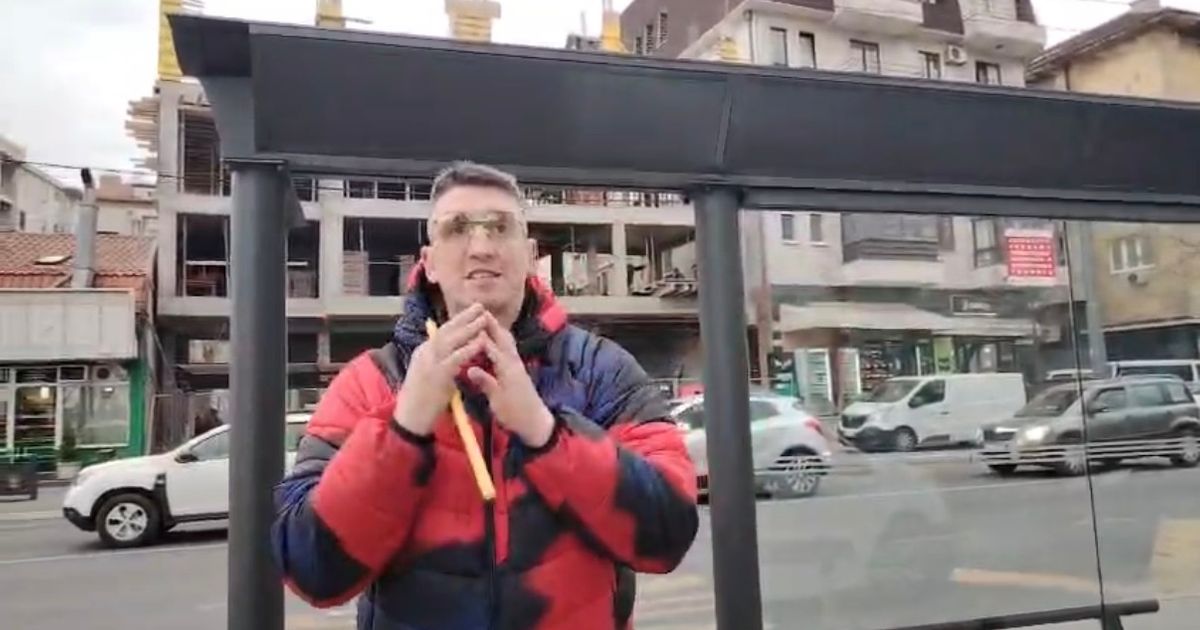
Portrayal of Kristijan Golubović. Opposition‑aligned media, when they invoke Golubović, tend to remind readers of his criminal past, controversial reality‑TV career, and prior accusations of violence, using this to question why his social‑media videos and statements are driving the public narrative of the case. Pro‑government outlets often recast him as a tragic, almost redemptive figure: a caring friend who reported Savić missing, searched for her, appears devastated at the scene, and turns the incident into an anti‑drug and anti‑alcohol message. While opposition pieces may see his heavy media presence as exploitation or distraction from institutional questions, pro‑government stories frequently center his grief, his plans for a monument, and his warnings about "the curse of vice" as the emotional core of the coverage.
Use of sensationalism and privacy. Opposition media more often criticize, implicitly or explicitly, the circulation of disturbing videos and graphic imagery, raising concerns about voyeurism, respect for the deceased, and ethical standards in tabloid reporting. Pro‑government tabloids, however, frequently lead with sensational headlines, disturbing on‑scene footage, close‑ups of the shaft, and details from Savić’s private life, arguing that these visuals convey the horror of the event and reinforce moral lessons. Opposition outlets tend to frame such sensationalism as part of a broader pattern of media abuse tolerated by the authorities, while pro‑government outlets present it as emotionally engaging storytelling that connects the tragedy to wider social problems.
In summary, opposition coverage tends to frame the case as an unresolved and systemically revealing tragedy that raises questions about institutions, accountability, and media ethics, while pro-government coverage tends to emphasize individual choices, moral lessons about vice, and the emotional narrative centered on Kristijan Golubović and his relationship with the victim.
Story coverage