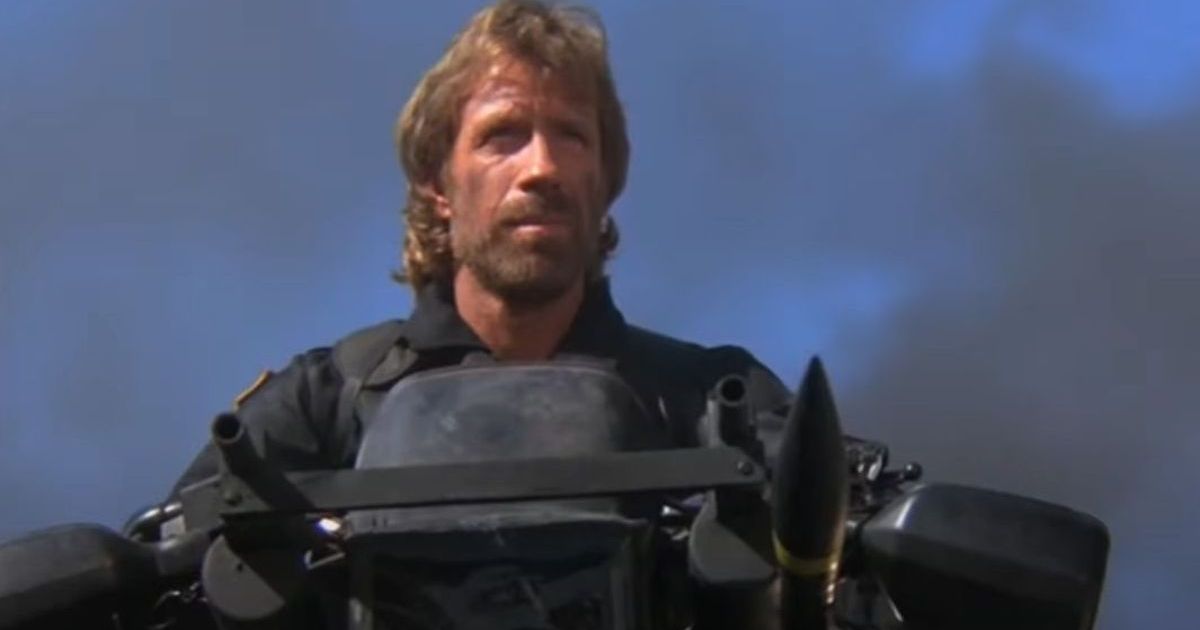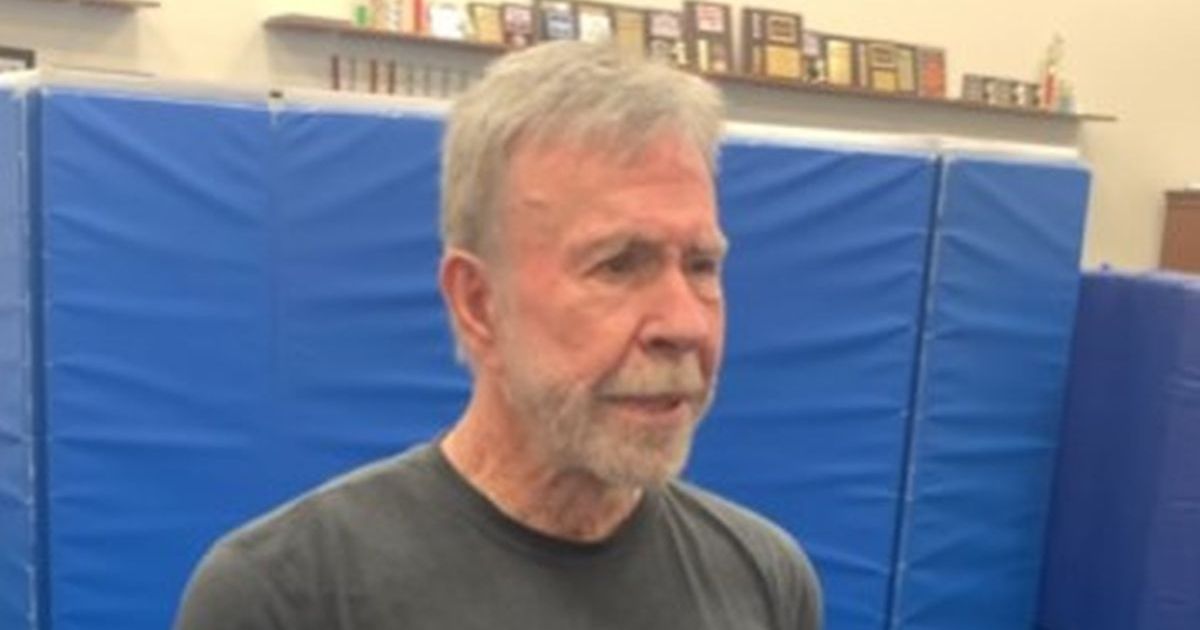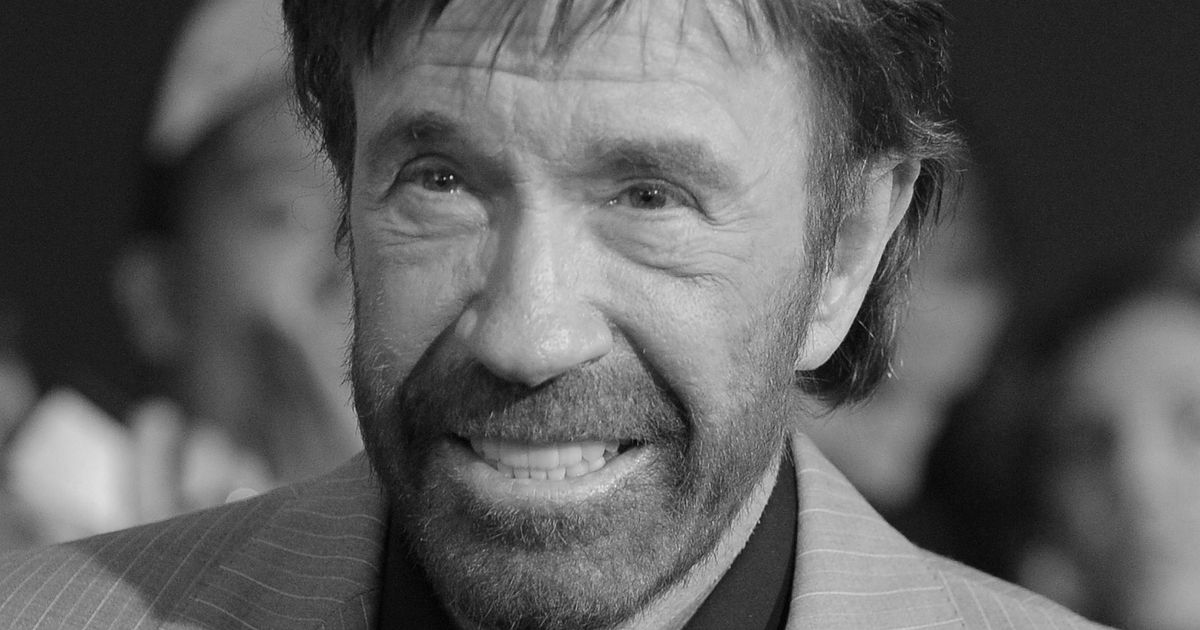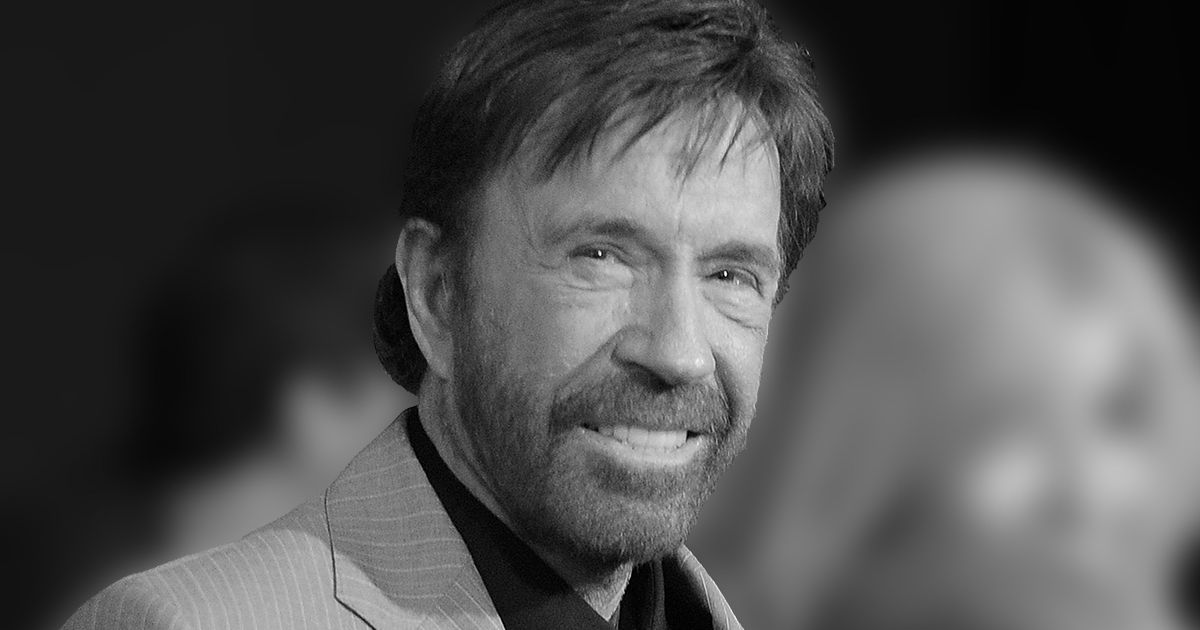

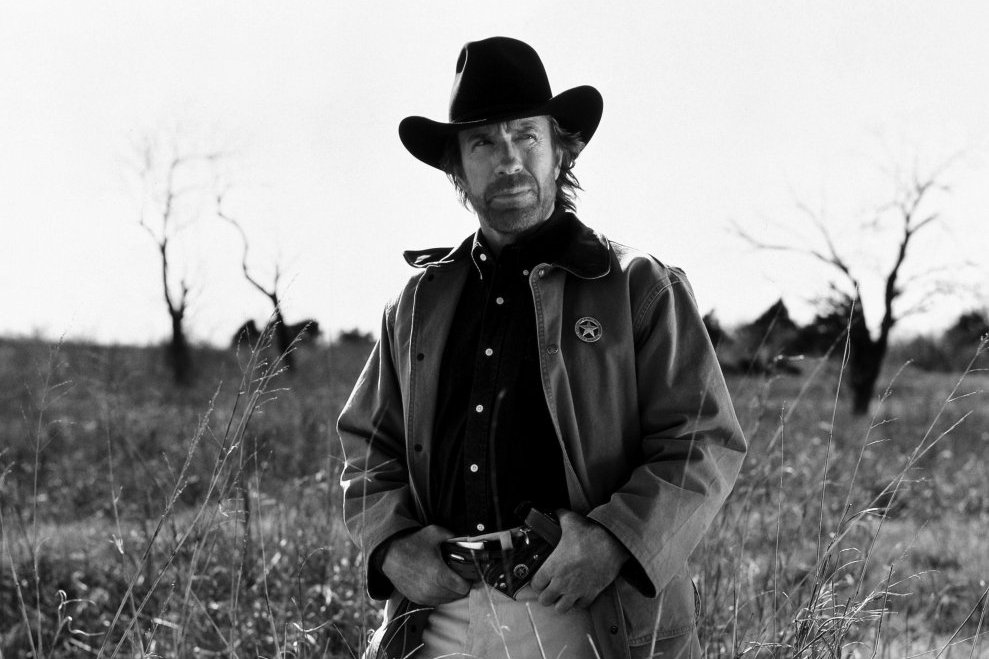
Legendary American actor and martial artist Chuck Norris is widely reported as having recently died in his mid‑80s, with most accounts placing his age at either 86 or 87 at the time of death. Across coverage, it is agreed that he passed away peacefully, surrounded by close family after a brief hospitalization, and that his children publicly confirmed the news with emotional Instagram tributes describing him as a devoted father, role model, and man of courage, kindness, faith, and generosity. Reports consistently highlight his status as a global pop‑culture icon through his action films and the long‑running series “Walker, Texas Ranger,” as well as his earlier martial‑arts fame. Media from both camps also note the outpouring of grief from fans and colleagues, and reference high‑profile condolences, such as the widely quoted farewell from Hungarian Prime Minister Viktor Orbán, who shared a video of a prior meeting with Norris and praised his character.
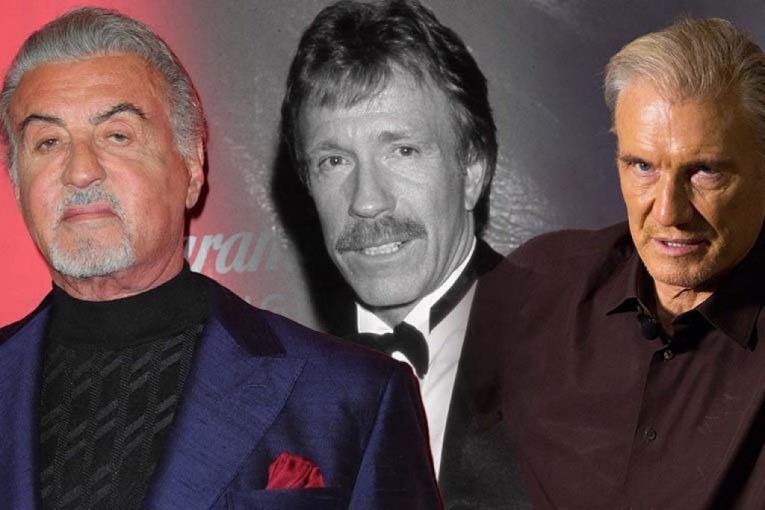
There is broad agreement that Norris’s cultural footprint reached far beyond his filmography, with both sides emphasizing how the satirical “Chuck Norris Facts” internet meme turned him into a symbol of near‑mythic toughness that he himself reportedly took in good humor. Outlets concur that he combined this larger‑than‑life screen persona with a real‑life commitment to faith, charity, and youth empowerment, especially through initiatives like the Kickstart foundation for troubled young people. Shared context across coverage presents him as part of a generation of action stars who shaped late‑20th‑century cinema and masculine ideals, inspiring younger martial‑arts actors and earning lasting respect from peers such as Dolph Lundgren and Sylvester Stallone. All agree that, for millions of fans worldwide, Norris embodied a blend of physical discipline, moral conviction, and self‑deprecating humor that will define how he is remembered.
Areas of disagreement
Circumstances and timing. Opposition‑aligned outlets, where they cover the story, tend to question details such as the precise age at death and the short, opaque timeline from hospitalization to passing, sometimes suggesting information gaps or downplaying official family statements. Pro‑government outlets present a clear, linear narrative in which Norris was hospitalized briefly but died peacefully, accept without skepticism the family’s Instagram confirmations, and treat minor discrepancies in reported age (86 vs 87) as inconsequential. While opposition sources may hint at unanswered questions, pro‑government media frame the event as straightforward and private, insisting that the focus remain on mourning rather than probing the medical specifics.
Political framing and symbolism. Opposition outlets, when mentioning political figures at all, are more likely to treat Chuck Norris’s past praise for conservative leaders and security services as a dated curiosity, minimizing its relevance to his death and avoiding amplification of current leaders’ tributes. Pro‑government coverage foregrounds Viktor Orbán’s farewell, replaying their 2018 meeting and Norris’s flattering comments about Hungary’s anti‑terror units and comparisons between Orbán and Donald Trump, using this to reinforce the image of the prime minister as admired by tough, principled Western icons. In opposition narratives, Norris is primarily an entertainment and martial‑arts figure, while in pro‑government narratives he is subtly repurposed as moral endorsement capital for the sitting leadership.
Emphasis on personality versus system. Opposition sources tend to situate Norris within a broader entertainment industry that mass‑produced action heroes and memes, stressing how studios, media, and internet culture collectively built the “Chuck Norris” legend, and sometimes hinting at the commercialization of his persona. Pro‑government outlets focus more on Norris as a self‑made, virtuous individual whose discipline, faith, and patriotism naturally attracted admiration, with far less attention to the structural machinery of Hollywood or social media. Where opposition pieces may refer to him as a product and symbol of a particular media era, pro‑government stories emphasize his character as inherently exemplary and aligned with traditional family and national values.
Legacy and lessons. Opposition‑aligned coverage, when present, is more likely to frame his legacy in terms of cultural memory and internet folklore, asking what his meme status says about masculinity, irony, and American soft power, and leaving the “lesson” open‑ended. Pro‑government media stress concrete moral takeaways: devotion to family, religious faith, respect for authority, and charitable work with youth, presenting Norris as a template of how strength should serve social order and community. As a result, opposition stories lean toward reflective cultural analysis, whereas pro‑government stories lean toward didactic celebration and normative messaging.
In summary, opposition coverage tends to treat Chuck Norris’s death as a cultural moment to reassess an era of action heroes, media mythmaking, and political symbolism with some skepticism toward official and political framing, while pro‑government coverage tends to present a largely uncritical, emotionally charged tribute that elevates his personal virtues and subtly integrates his image into a narrative affirming current leaders and traditional values.
Story coverage