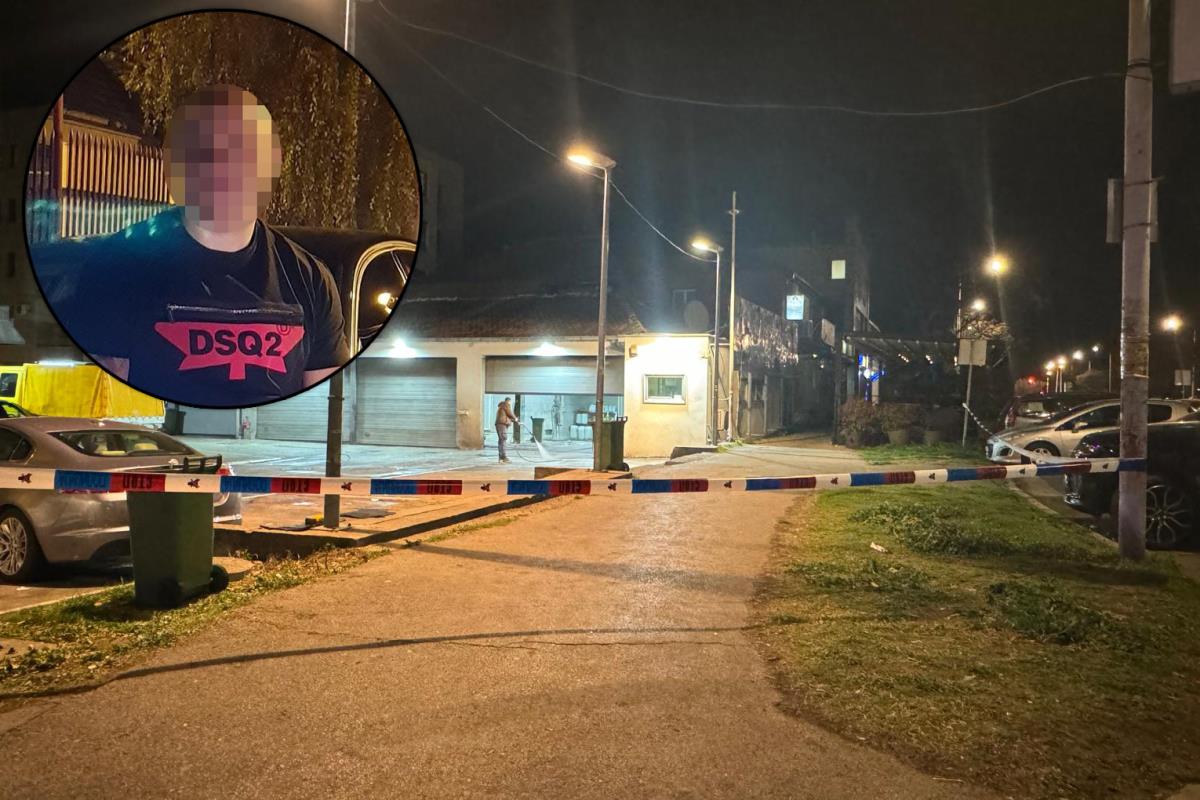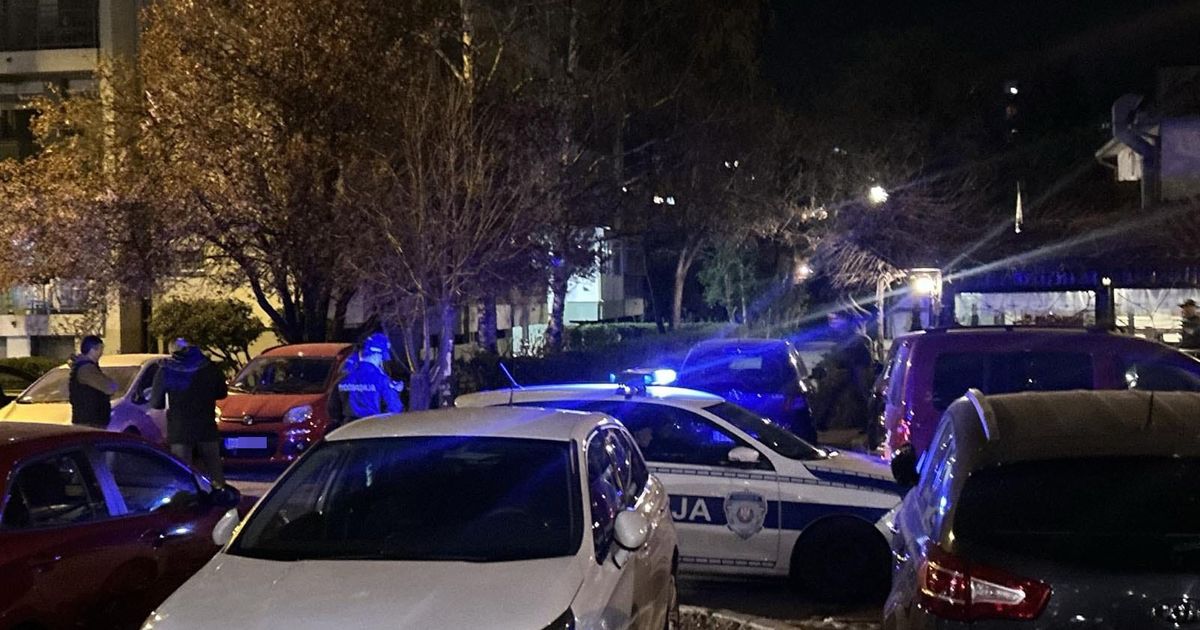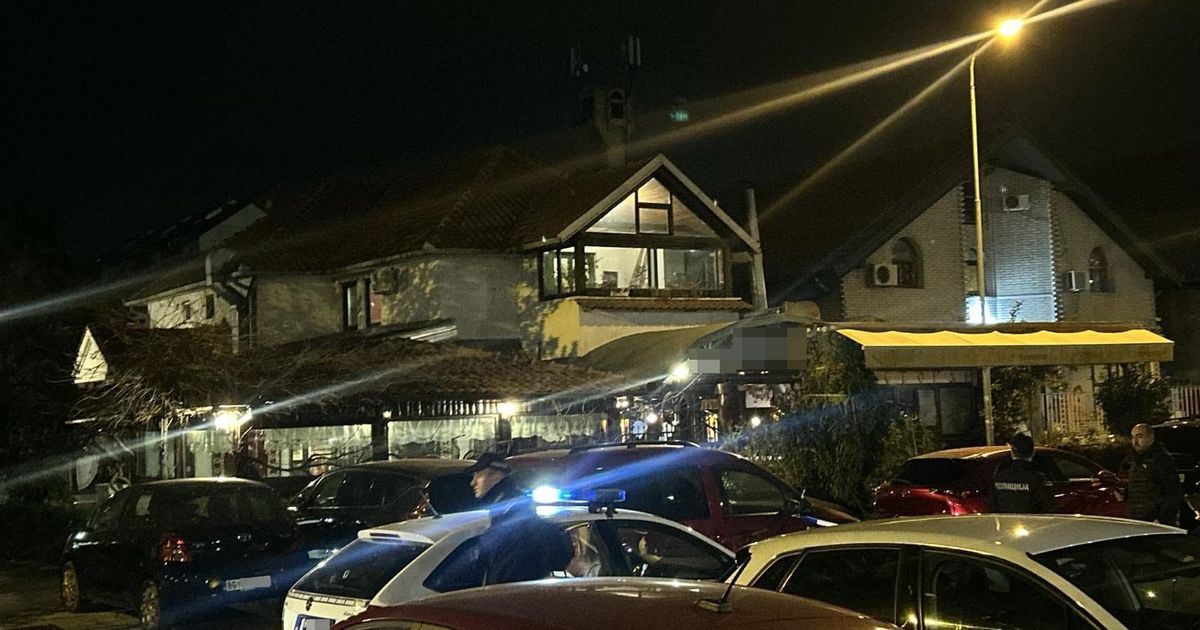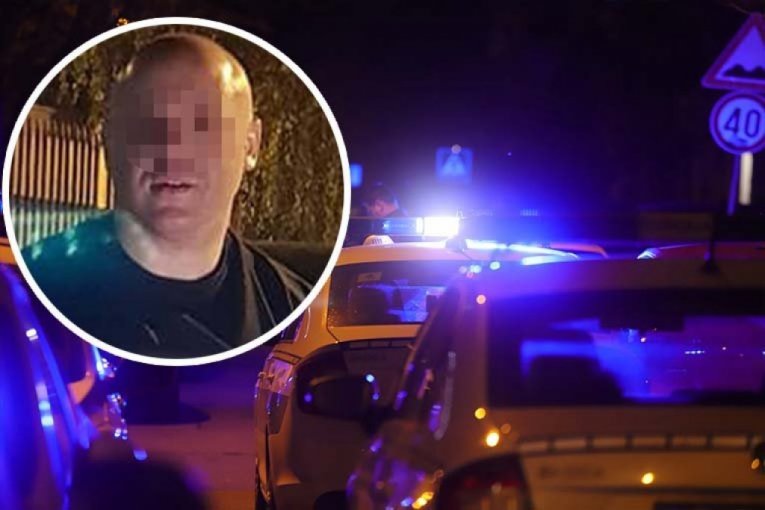



A 38-year-old man, most outlets naming him as Vojin L. or V.L., was shot in the lower leg on Saturday night on Džona Kenedija Street in Zemun, near or in the garage area by a well-known restaurant and car wash. The incident occurred around 9:30–9:40 PM, the wounded man was found lying by a car and transported to the Urgentni centar hospital, and police launched an intensive search of the wider area for the unidentified attacker. Reporting converges that the victim is serving a prison sentence for drug-related offenses, that he was on a weekend leave from prison at the time of the shooting, and that he has so far refused substantive cooperation with investigators, leaving the precise motive and circumstances officially unclear.
Across outlets, the man is consistently described as previously arrested in connection with a criminal group in 2022 and as someone already known to the police. The neighborhood context is also broadly shared: the specific stretch around the restaurant and car wash is portrayed as a place where suspicious individuals often gather and where earlier shooting incidents have occurred, reinforcing the impression of a high‑risk micro‑location. Coverage also aligns in depicting a strong police presence and active investigative measures at the scene, and in noting standard first‑aid guidance for gunshot wounds, emphasizing rapid emergency response, bleeding control, immobilization, and prevention of shock as key medical priorities.
Areas of disagreement
Framing of the victim. Opposition-aligned outlets tend to stress that, despite his criminal background, the wounded man is a person under state custody whose safety the system failed to protect while on authorized prison leave, sometimes cautioning against reducing him solely to his record. Pro-government outlets more prominently foreground his drug convictions, group affiliations, and status as a known offender, framing the shooting as an episode within criminal milieus rather than as a broader public safety failure. This difference shifts the tone from a rights-and-accountability narrative to one that normalizes the event as part of underworld score-settling.
Systemic responsibility. Opposition media usually connect the case to systemic issues in prison management and furlough policy, questioning who approved the leave, whether risk assessments were done, and if the incident reflects a wider collapse in law enforcement control over organized crime. Pro-government outlets, in contrast, highlight rapid police action, the search for the perpetrator, and the victim’s non-cooperation as the main obstacles, downplaying any suggestion of institutional negligence. Where opposition pieces treat the shooting as a symptom of governance failures, pro-government coverage presents it as an isolated crime being handled efficiently by the authorities.
Characterization of the location and public safety. Opposition reporting often uses the history of previous shootings and the reputation of the car wash and surrounding area to argue that authorities have allowed criminal hotspots to remain essentially unmanaged, implying that residents live with chronic insecurity. Pro-government outlets mention the problematic reputation of the spot but primarily as descriptive color, focusing on the specific garage and restaurant setting rather than generalizing to citywide insecurity or political responsibility. This leads opposition sources to frame the event as emblematic of broader urban law-and-order decay, while pro-government sources treat it as localized and contained.
Political implications. Opposition-aligned media are more inclined to place the shooting within a pattern of high-profile violent incidents under the current government, hinting at ties between criminal structures and elements of state apparatus and using the case to argue for deep reforms in justice and policing. Pro-government outlets typically avoid overt political linkage, instead emphasizing technical investigative details, legal status of the victim, and advisory public-health style content like first-aid instructions, thereby steering the narrative away from critiques of current leadership. The result is that opposition coverage invites readers to see the incident as politically charged, whereas pro-government reporting works to depoliticize it.
In summary, opposition coverage tends to present the shooting as a systemic and politically revealing failure of state institutions to control organized crime and protect even those in state custody, while pro-government coverage tends to normalize it as an isolated clash within the criminal underworld that is being professionally handled by the police without broader implications for the government.