
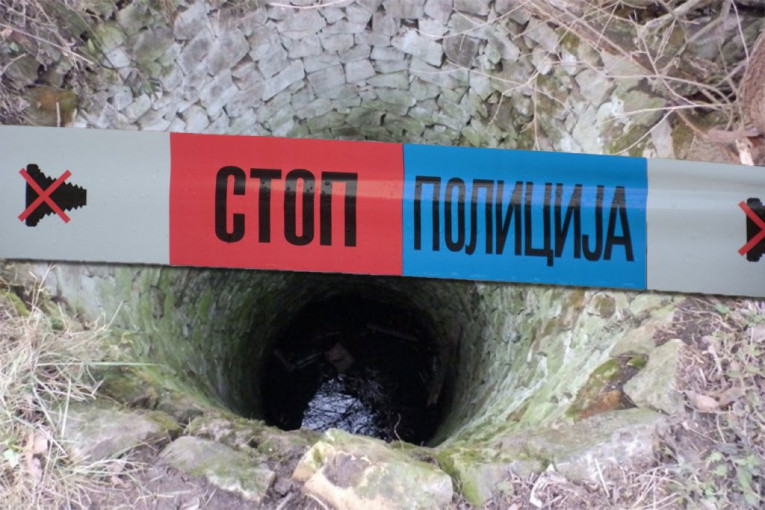
Residents and media agree that in the village of Tešica near Aleksinac a communal well used by locals for drinking water was found to contain multiple dead dogs, generally reported as six or seven bodies. The discovery was made by a 14-year-old boy who was searching for his missing dog, after days of reports that dogs in the village had been disappearing or dying, with the total number of killed animals estimated at around eleven or twelve. All sides cite police information that a 50-year-old woman has been identified as a suspect and that criminal charges have been filed for animal cruelty related to poisoning the dogs and throwing their bodies into the well.
Coverage from both opposition and pro-government outlets highlights that the Ministry of Interior is handling the case and that the incident falls under existing Serbian animal welfare and criminal legislation, which prescribes fines or prison sentences, with harsher penalties when multiple animals are killed. Both sides describe the event as a serious case of animal abuse with potential public health implications because the well is a communal water source, prompting concerns about water safety and possible contamination. There is also cross-outlet agreement that the case could test how effectively current laws against animal cruelty are enforced, and that the incident has sparked local outrage and calls for accountability and prevention of similar cases.
Areas of disagreement
Framing and emphasis. Opposition outlets tend to foreground the horror of the scene as evidence of systemic neglect, stressing that such an atrocity could occur in a communal water source without timely institutional oversight and suggesting it reflects broader governance failures. Pro-government outlets also use sensational language about the horror but quickly pivot to the personal deviance of the suspect and the shock of villagers, presenting the case more as an isolated criminal act. While opposition reporting uses the incident as an entry point into questioning rural infrastructure, animal welfare policy, and public health safeguards, pro-government coverage emphasizes the dramatic narrative and human-interest angle over structural critique.
Institutional responsibility. Opposition-aligned media generally stress that local authorities, veterinary inspections, and water-management institutions bear responsibility for preventing contamination of drinking water and for previously ignoring reports of poisoned dogs, portraying the event as a breakdown of multiple state systems. Pro-government outlets, by contrast, highlight that the police have already reacted, filed criminal charges, and are "on the case," framing institutional performance as swift and adequate once the crime came to light. While opposition sources present the incident as symptomatic of underfunded and poorly supervised local services, pro-government pieces underline the functionality of law enforcement and minimize discussion of any prior institutional lapses.
Legal and policy implications. Opposition coverage is more likely to question whether existing penalties for animal cruelty are sufficiently strict and properly enforced, linking this case to earlier, under-prosecuted episodes of abuse and calling for comprehensive reforms. Pro-government outlets mention the potential prison terms and fines mainly to demonstrate that the legal framework already recognizes the seriousness of such acts, implying that the system only needs to apply current laws, not overhaul them. Opposition narratives connect the Aleksinac case to a pattern of impunity and weak deterrence, whereas pro-government narratives suggest that the law is robust and that this suspect will serve as an example of its enforcement.
Public health and trust in institutions. Opposition media often stress villagers’ fear that their water has been poisoned and use this to question the reliability of state health monitoring, suggesting a deeper crisis of trust in official assurances about water safety. Pro-government sources acknowledge residents’ anxiety but tend to frame it as an understandable emotional reaction that will be resolved through testing and official procedures, emphasizing that experts and authorities are managing the risk. Opposition outlets leverage the contamination scare to argue that citizens cannot rely on the state to safeguard even basic necessities, while pro-government outlets present the episode as a temporary shock that the existing institutional framework is capable of containing.
In summary, opposition coverage tends to treat the Aleksinac well case as a symptom of systemic institutional failure and weak enforcement of animal welfare and public health standards, while pro-government coverage tends to frame it as a shocking but isolated crime that the existing legal and institutional apparatus is already addressing appropriately.