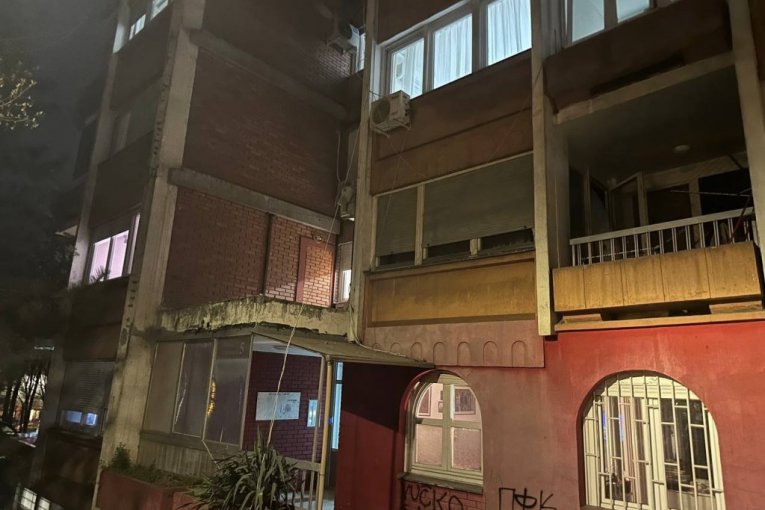

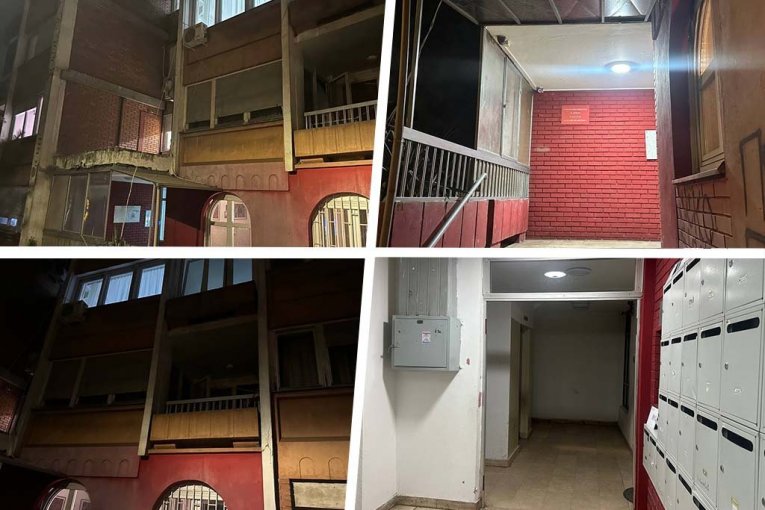
A gas cylinder exploded in an apartment on the first floor of a building on Borivoja Stevanovića Street 5 in the Medaković neighborhood of Belgrade, at around 7 p.m. One woman, described as the apartment owner, suffered an arm injury and was transported to the Emergency Center for treatment, with all relevant emergency services responding to the scene. Both sides of the media landscape agree that only one person was injured, that the blast disturbed residents but did not cause mass casualties, and that there was notable surprise among neighbors who reported not even hearing a loud detonation.
Across the spectrum, outlets present the incident as a domestic gas-cylinder accident rather than a deliberate act, situating it within broader issues of household safety and infrastructure risks in Belgrade. They consistently mention the role of emergency and medical institutions, highlight the importance of proper gas-bottle installation and maintenance, and stress common preventive measures such as checking hoses and connections, ensuring ventilation, and avoiding open flames. Coverage also converges on the idea that this case illustrates the need for citizens to follow established safety procedures and to react quickly if a gas leak is suspected, implicitly supporting existing safety guidelines and technical regulations around gas use in homes.
Areas of disagreement
Responsibility and systemic fault. Opposition-aligned sources tend to frame such explosions as symptoms of systemic neglect, hinting that regulatory enforcement, inspections, and broader housing safety policies are inadequate, and sometimes implying that authorities bear indirect responsibility for allowing unsafe conditions to persist. Pro-government outlets, by contrast, individualize the incident as a matter of personal or household handling of gas cylinders, avoiding criticism of institutions and instead underscoring that proper user behavior and adherence to instructions are the key safeguards. Where opposition narratives might demand accountability from city services or national regulators, pro-government coverage predominantly presents the state as a provider of sound rules that citizens must follow.
Framing of institutions and emergency response. Opposition coverage, where it appears, is more likely to question whether inspections, municipal housing oversight, and preventive services are underfunded or poorly organized, sometimes asking if the emergency response time or prior preventive efforts were sufficient. Pro-government reports emphasize that all emergency teams were promptly on site, describing the rapid arrival of services as proof that the system works effectively. While opposition sources may use the incident to raise doubts about broader institutional capacity and investment in safety infrastructure, pro-government media cast the same facts as confirmation of competent and responsive public services.
Broader political context and narrative. Opposition outlets often place such accidents within a pattern of recurring urban safety problems, tying them rhetorically to governance issues like corruption, weak regulation, or poor oversight in the energy and housing sectors. Pro-government media, on the other hand, largely strip the event of political overtones, presenting it as an unfortunate but isolated domestic mishap that can be prevented through citizen education. In opposition narratives, the explosion can become a data point in a larger critique of the ruling authorities, whereas in pro-government narratives it mainly serves as a neutral occasion to disseminate practical safety advice and maintain public calm.
Risk communication and future prevention. Opposition sources are inclined to argue that the state must do more—through stricter controls, subsidies for safer equipment, or systematic inspections—to prevent similar incidents, portraying current measures as insufficient. Pro-government outlets focus on the existing framework, reiterating guidelines on safe use of gas cylinders and suggesting that adherence to these rules is largely adequate to prevent accidents. While opposition coverage pushes for structural changes and stronger institutional responsibility, pro-government coverage stresses awareness campaigns and individual compliance as the primary path to improved safety.
In summary, opposition coverage tends to politicize the explosion as part of a broader pattern of institutional shortcomings and demand greater state accountability, while pro-government coverage tends to depoliticize the event, highlight efficient emergency response, and place the emphasis on individual responsibility and adherence to existing safety rules.
Story coverage