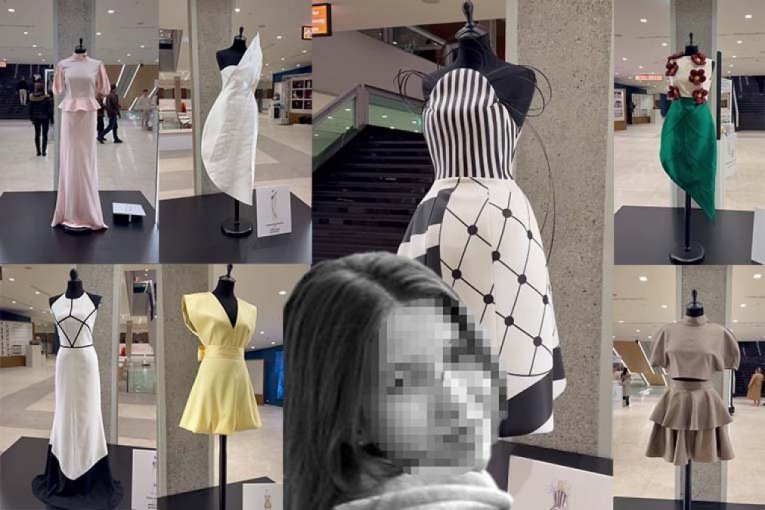
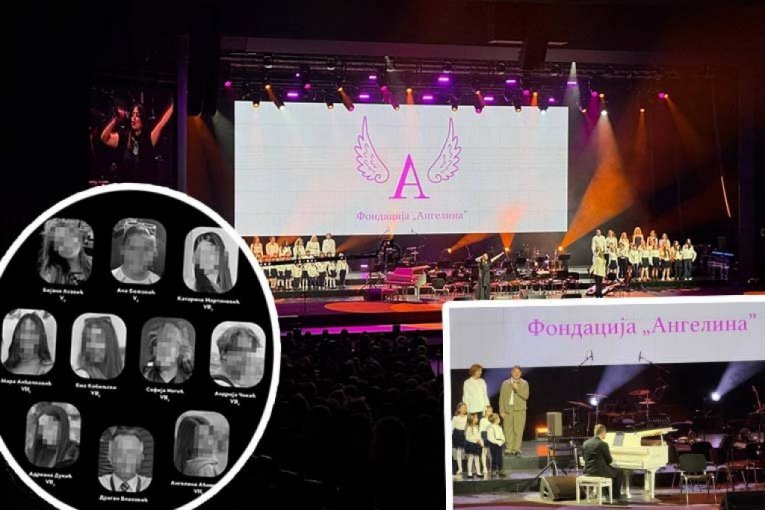
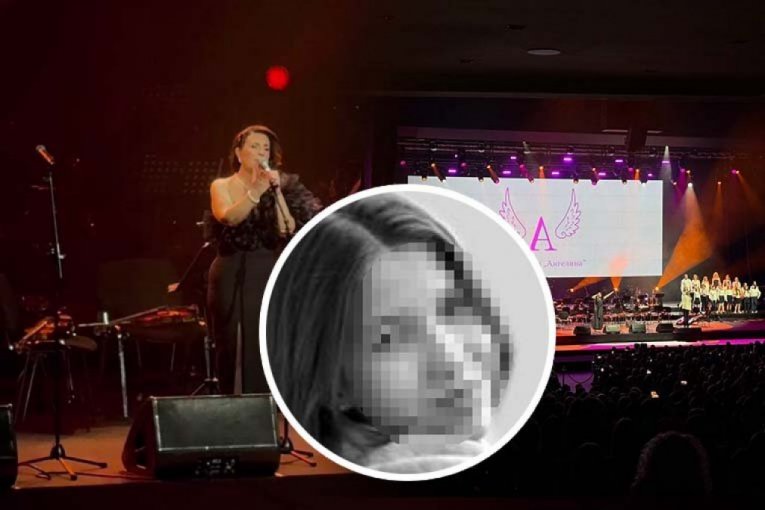
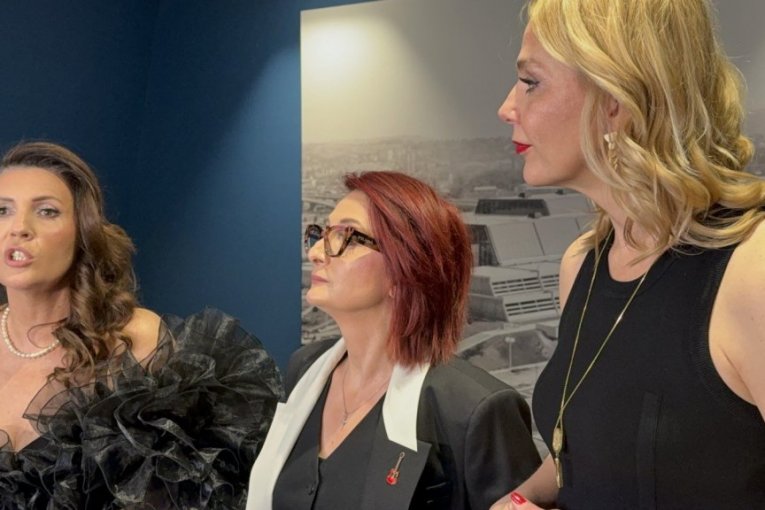
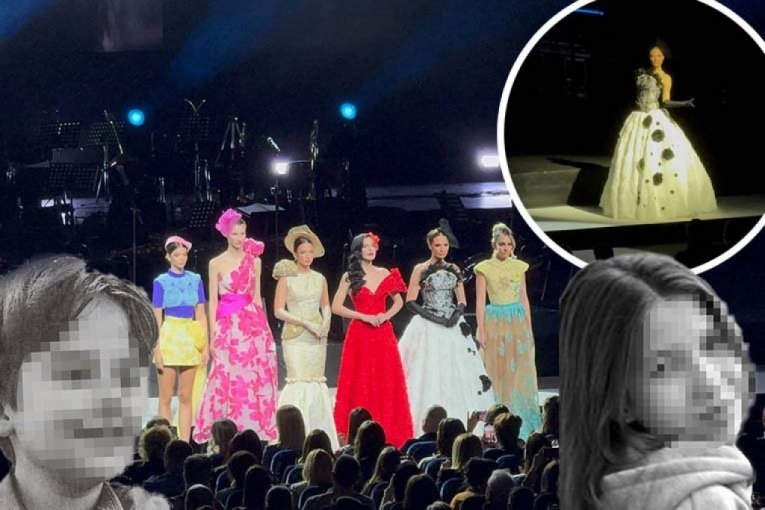
The humanitarian "Concert for Angels" was held at Belgrade's Sava Center as a large commemorative event dedicated primarily to the children killed in the Vladislav Ribnikar school shooting, with some coverage also noting other recent tragedies and children without parental care. Both sides agree that numerous regional music stars participated, that children opened the program with emotional songs, and that particularly prominent elements were the dresses created from the fashion sketches of victim Angelina Aćimović and the performance of a composition by another victim, young pianist Andrija Čikić. Coverage converges on the fact that the event was conceived as an evening of tears, remembrance, and solidarity, with the audience and performers visibly moved, and that all proceeds from ticket sales and related activities were directed to the Angelina Foundation, established by Angelina's father. There is also agreement that the foundation and concert share a dual purpose: honoring the memory of the murdered children and using art, music, and design to channel grief into concrete forms of help.
Reports from both opposition and pro-government environments, where available, situate the concert within the broader context of the Ribnikar massacre as one of the most traumatic events in recent Serbian history, a moment that exposed systemic vulnerabilities in schools, families, and institutions. They commonly describe the Angelina Foundation as focused on educational and preventive work related to dangers on the internet, strengthening families, and helping children affected by loss or at risk, framing the Sava Center event as part of a longer-term social response rather than a one-off spectacle. There is shared emphasis on the symbolic power of bringing Angelina’s unrealized dreams to life through her dresses and on using culture and spirituality—through songs, prayers, and testimonies by performers who are parents themselves—to promote reflection on parenting, media influences, and the need to protect children. Across the spectrum, the concert is portrayed as a collective ritual of mourning that blends artistic performance with a call for more empathy, presence, and responsibility in everyday life.
Areas of disagreement
Framing of the state’s role. Opposition-aligned sources tend to present the concert within a narrative of institutional failure, stressing that no artistic tribute can compensate for what they describe as the government’s inadequate response to the shooting and lack of deep reforms in education, policing, and mental health. Pro-government outlets instead highlight the event as an example of social and institutional responsibility, implicitly linking it to a broader, ongoing effort by authorities and civic initiatives to prevent similar tragedies. While opposition media are likely to underscore gaps between symbolic gestures and systemic change, pro-government media foreground the unity of institutions, artists, and families in grief and action. This leads to markedly different impressions of whether the concert reflects genuine societal repair or merely softens public anger.
Political vs. apolitical tone. Opposition coverage generally reads the concert through a political lens, suggesting that any large, high-profile event around Ribnikar is unavoidably tied to debates over government accountability, security policy, and public protest that followed the massacre. Pro-government reporting, by contrast, carefully presents the concert as above politics, emphasizing humanity, spirituality, art, and charity, and rarely connecting it explicitly to contentious policy issues or ongoing opposition criticism. In opposition narratives, the very insistence on apolitical language can be portrayed as a way to depoliticize a tragedy they see as structurally produced, whereas pro-government outlets frame the avoidance of politics as a sign of respect for victims and their families.
Depth of critical context. Opposition-aligned media typically embed the concert in a longer chain of events since the shooting, recalling earlier parents’ protests, critiques of school security, and demands for gun-control and media-regulation reforms they argue remain only partially met. Pro-government outlets, drawing on emotional testimonies, dress exhibitions, and songs, largely prioritize personal stories of loss, resilience, and parental reflection, offering only limited or generic references to structural causes. Where opposition coverage questions whether projects such as the Angelina Foundation can succeed without stronger state policies and oversight, pro-government coverage presents such initiatives as proof that society, supported by institutions, is already learning and improving. This divergence creates a split between a story of insufficient systemic learning and a story of gradual, community-driven healing.
Role of media and culture. Opposition sources often stress that sensationalism and irresponsible media content helped create an environment in which such violence became possible, and may scrutinize how televised concerts and emotional coverage risk turning tragedy into spectacle. Pro-government outlets, including tabloids, focus on the uplifting and consoling role of media and cultural production, portraying broadcasters and popular performers as key carriers of empathy, prevention messages, and positive models for youth. While opposition narratives question whether the same media ecosystem that profits from drama can credibly lead a moral renewal, pro-government narratives situate the concert as evidence that mass media and pop culture can be mobilized for genuinely humane and educational purposes.
In summary, opposition coverage tends to use the "Concert for Angels" as a lens to revisit unresolved questions of state accountability, systemic reform, and media responsibility, while pro-government coverage tends to foreground emotion, unity, and philanthropy, presenting the concert as a dignified, largely apolitical act of collective mourning and moral awakening.
Story coverage

pro-government
Angelina's Dresses / Photo Gallery
Premiere of a song dedicated to a murdered girl.
a day ago