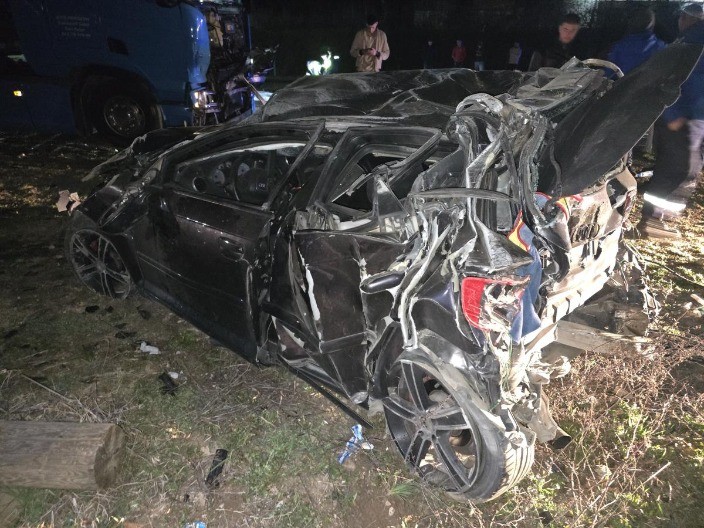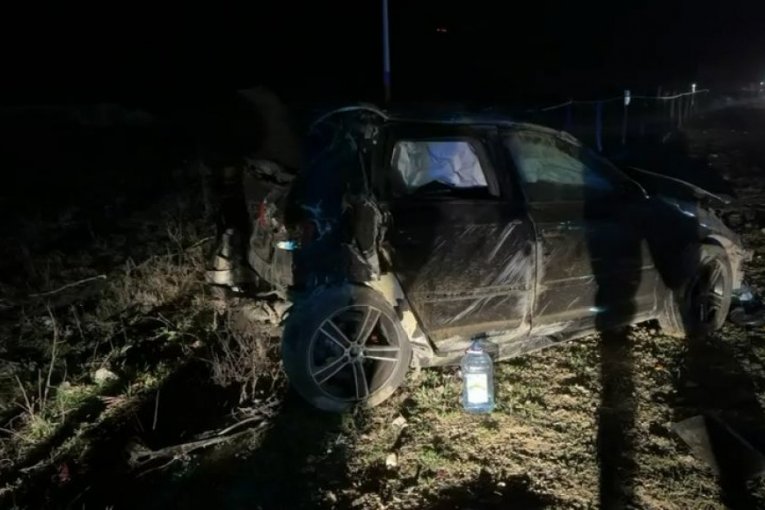

Three people were injured in a head-on collision between an Audi passenger car and a truck on the Novi Pazar–Raška main road, near Novi Pazar, in the Piloreta area. Both opposition and pro-government outlets agree that two of the injured suffered severe, life‑threatening injuries, while one person sustained minor injuries, and all were transported by emergency services to the General Hospital in Novi Pazar. They concur that the Audi was heavily damaged, that firefighters and rescue teams used specialized equipment to free those trapped in the vehicle, and that the incident caused significant disruption to traffic in the area while police conducted an on‑site investigation.
Across the spectrum, coverage situates the crash within broader concerns about road safety on Serbia’s main roads and highways, highlighting recurring patterns of serious accidents involving high speed, driver error, and mixed traffic of trucks and private cars. Outlets on both sides reference formal institutions such as the traffic police, emergency medical services, and the Novi Pazar hospital as central actors in the response, and they emphasize standard post‑accident procedures such as securing the scene, diverting traffic, and collecting evidence. There is also broad agreement on the importance of preventive measures, with shared mentions of safe‑driving guidelines, the legal obligation to use hazard lights, reflective vests, and warning triangles, and the need for continued public education and enforcement to reduce similar incidents.
Areas of disagreement
Causes and responsibility. Opposition-aligned outlets are likely to foreground alleged systemic causes such as lax traffic enforcement, poor road maintenance, and a culture of impunity, suggesting that the government bears indirect responsibility for conditions that make such crashes more likely. Pro-government coverage, by contrast, tends to focus on the immediate behavior of the Audi driver, repeating eyewitness claims about speeding or racing and framing the collision primarily as an individual’s loss of control. While opposition sources might question whether authorities have tolerated dangerous driving and inadequate infrastructure, pro-government reports mostly treat the road and institutional framework as neutral backdrops rather than contributing factors.
Institutional performance. Opposition media usually use such incidents to question the readiness and capacity of emergency services, highlighting any delays in response, equipment shortages, or the chronic underfunding of regional hospitals like the one in Novi Pazar. Pro-government outlets emphasize the swift arrival of police, firefighters, and medical teams, stressing professional coordination, the use of specialized rescue tools, and doctors “fighting for the lives” of the injured as evidence that the system is functioning well. Where opposition narratives might bring up past scandals or unfulfilled promises of investment in traffic safety and healthcare, pro-government reporting tends to present this crash as proof that reforms and training have improved real‑world outcomes.
Framing of broader road-safety policy. Opposition coverage is inclined to link the crash to a pattern of repeated tragedies on the Novi Pazar–Raška corridor, arguing that promised road upgrades, stricter control of speeding, and comprehensive safety campaigns have either been delayed or only partially implemented. Pro-government sources instead often highlight existing laws, penalties, and educational initiatives, positioning the state as actively engaged in promoting safe driving and portraying this incident as an unfortunate exception rather than a symptom of structural failure. As a result, opposition outlets may call for political accountability and new policy debates, whereas pro-government ones tend to close the frame around personal caution and adherence to current rules.
Use of imagery and emotional tone. Opposition-leaning media are more likely to deploy graphic descriptions and victim-centered storytelling to evoke empathy and bolster criticism of state negligence, potentially featuring testimonials from locals who complain about recurring danger spots and unheeded warnings. Pro-government coverage also uses dramatic visual language and photos of the crumpled Audi, but mainly to underscore the severity of the crash and segue into practical advice about how drivers should behave in accidents, rather than to question authorities. Thus, while both sides exploit the emotional impact of the scene, opposition outlets channel that emotion toward political critique, whereas pro-government outlets connect it to individual responsibility and safety instructions.
In summary, opposition coverage tends to treat the collision as another manifestation of systemic failings in road safety policy, enforcement, and public services that warrant political scrutiny, while pro-government coverage tends to frame it as a tragic but individualized incident showcasing effective emergency response and the importance of driver caution within an otherwise adequate institutional framework.
Story coverage