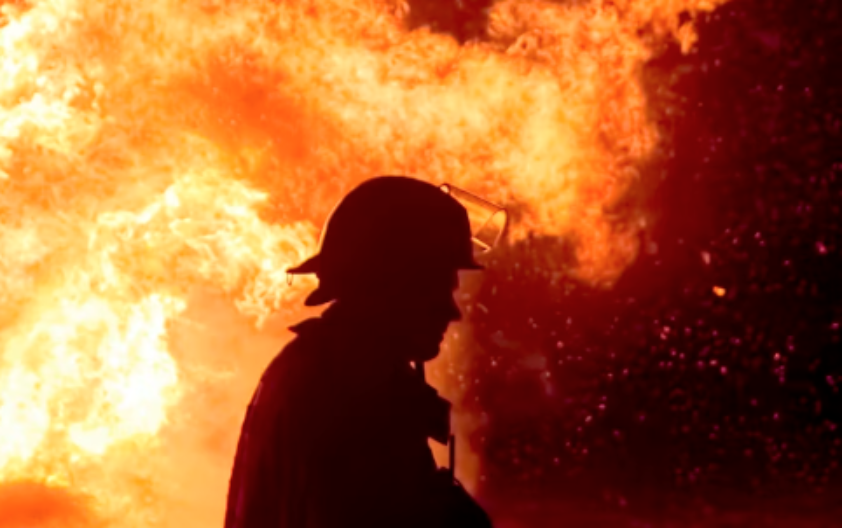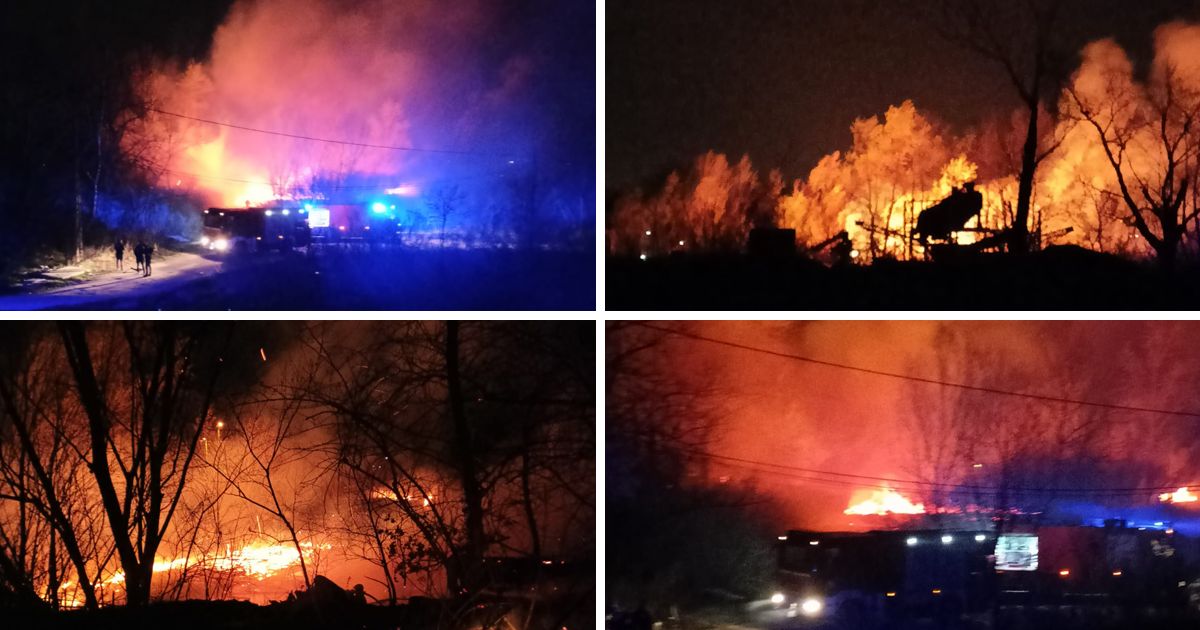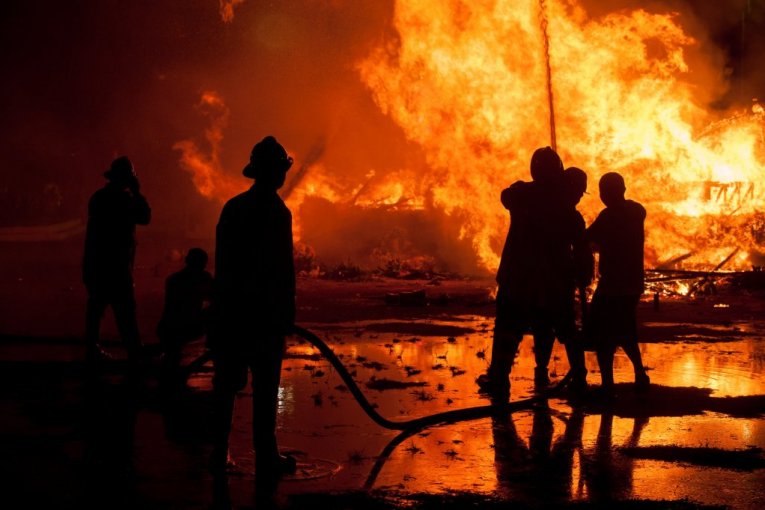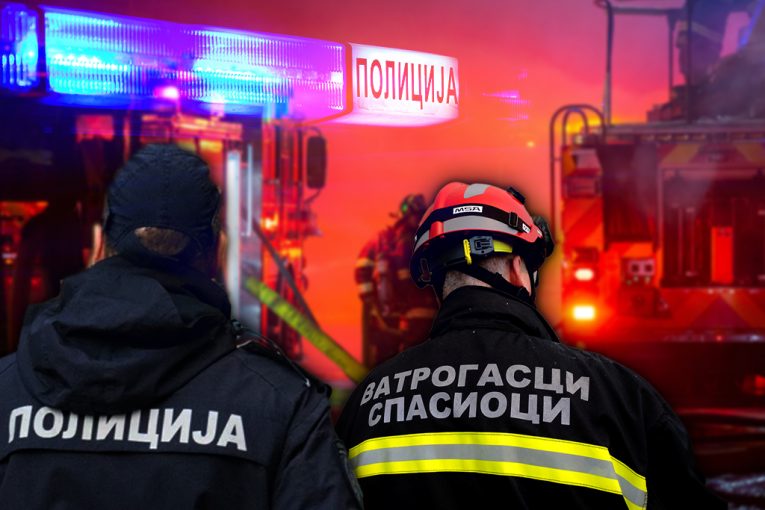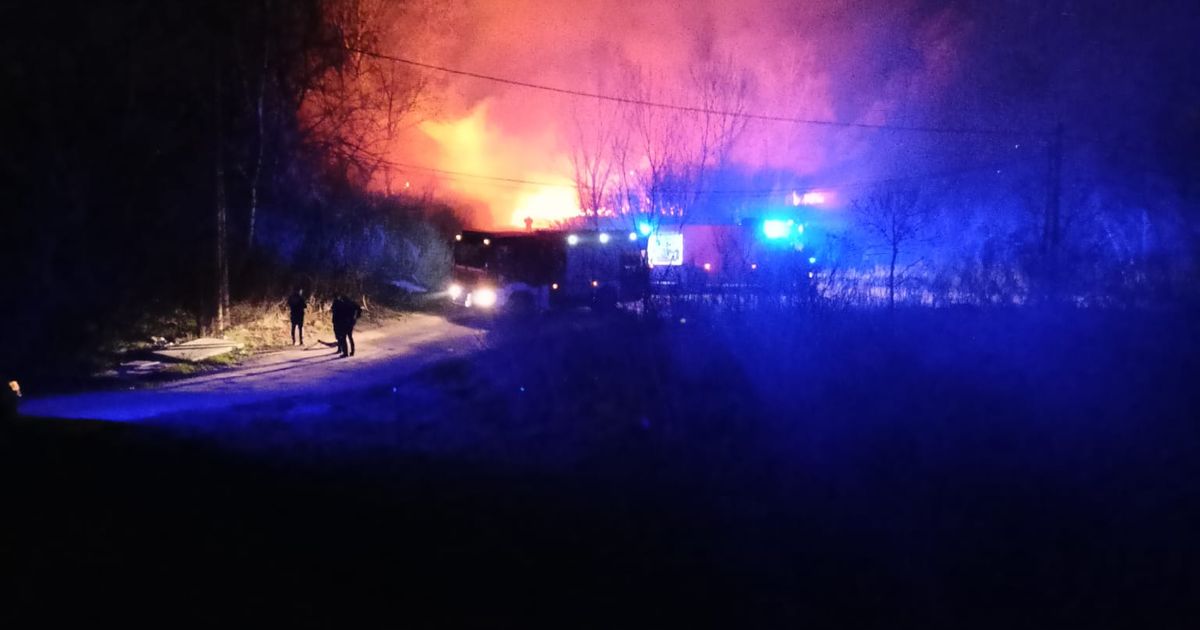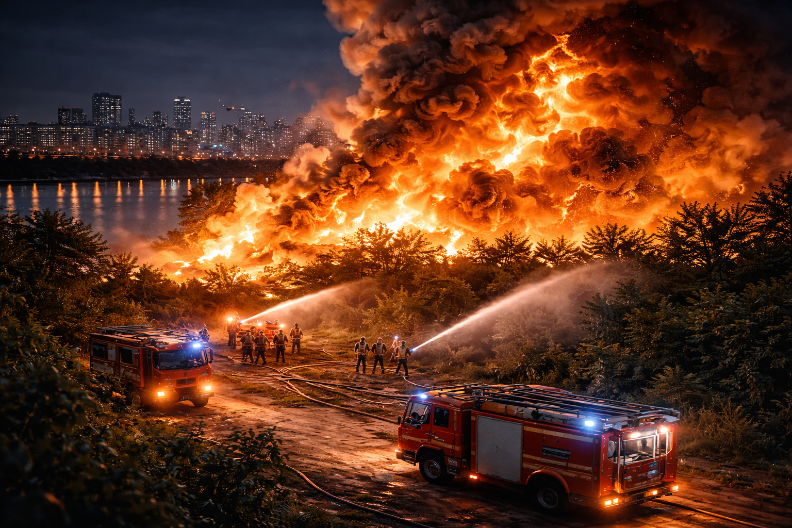



A large fire broke out around 9 p.m. on the Sava embankment in New Belgrade, engulfing and ultimately destroying a well‑known raft that had previously been pulled ashore near Block 45/Savski kej. Across outlets, reports agree that a substantial number of firefighters were deployed, access to the area was restricted by police in parts, and the strong wind made it difficult to contain the flames and prevent them from spreading to nearby rafts, other boats, and surrounding vegetation. Eyewitnesses in all accounts describe multiple detonations or explosions during the blaze, thick smoke visible over this part of the city, and flames that could be seen from afar, turning the area into what many described as a "fiery hell" or an inferno. All sides concur that there were no guests or staff on the raft at the time because it had not been operating for some time, and that, thanks to the intervention of firefighters, the fire did not spread further along the embankment.
On the broader context, both opposition and pro‑government sources situate the event within recurring concerns about the safety of rafts and boats along Belgrade’s riverfronts, the challenges of enforcing regulations on these floating venues, and the vulnerability of such structures to fire once they are beached or under renovation. They reference the involvement of standard emergency institutions such as the fire brigade, police, and inspection bodies that will have to determine the cause, and they note that, at the time of reporting, the precise origin of the fire and the reason for the explosions remained unknown. There is shared acknowledgment that strong winds can quickly turn any riverfront fire into a wider public‑safety risk, and that emergency protocols, including rapid deployment, perimeter closure, and public calls for caution, are crucial in preventing casualties. Across the spectrum, the incident is treated as part of a pattern that raises questions about maintenance standards, fire‑prevention measures, and oversight of commercial and entertainment structures on the Sava embankment.
Areas of disagreement
Responsibility and blame. Opposition‑aligned outlets are more likely to frame the fire as a symptom of regulatory failure, hinting at lax oversight of river rafts, potential illegal construction, or neglected safety inspections, and may connect it to broader allegations of cronyism around riverfront projects. Pro‑government outlets, by contrast, emphasize that the raft was not in operation and that no one was on board, presenting the event primarily as an unfortunate but contained accident and underscoring that formal investigations are needed before any conclusions about responsibility are drawn. While critical media might speculate about the accountability of municipal authorities or politically connected owners, loyalist coverage tends to avoid assigning blame, focusing instead on technical and environmental conditions such as wind and combustibility.
Tone and emphasis. Opposition coverage tends to balance dramatic imagery with critical commentary, using the spectacle of the blaze to question public safety standards and government priorities, and to raise doubts about how many similar structures may pose hidden risks. Pro‑government outlets adopt a highly sensational visual and verbal style—talk of "hell" on the embankment and a "burning sky"—but pair it with reassuring notes about the rapid response, the absence of injuries, and the successful prevention of wider damage. Where critical outlets would likely stress systemic patterns and policy shortcomings behind the images, supportive media concentrate on the moment‑to‑moment drama and heroism of first responders, steering the narrative away from structural critique.
Political framing and linkage to broader issues. Opposition sources are inclined to connect the incident to long‑running controversies over urban planning on the Sava, informal or semi‑legal raft operations, and perceived impunity for politically favored business interests, suggesting the fire highlights deep governance problems. Pro‑government reporting largely treats the fire as an isolated incident, avoiding broader political context and instead presenting it as a local emergency story comparable to any large urban fire. In opposition narratives the blaze can become a symbol of what they portray as chaotic and poorly regulated development under the current administration, whereas in pro‑government narratives it remains a one‑off disaster best left to technical experts and investigators.
Institutional performance and follow‑up. Opposition‑leaning coverage is more likely to question whether inspections were properly conducted, if prior warnings existed, and whether future enforcement or reforms will meaningfully change conditions on the embankment. Pro‑government outlets highlight the coordinated work of firefighters and police, stressing that their swift action prevented a much larger catastrophe and implying that institutions functioned effectively under stress. While critics may cast doubt on whether any eventual inquiry will be transparent and lead to accountability, pro‑government media tend to express confidence that the cause will be professionally determined and that authorities have the situation under control.
In summary, opposition coverage tends to use the fire as an entry point to challenge regulatory laxity, political favoritism, and the broader model of riverfront development, while pro-government coverage tends to dramatize the event while depoliticizing it, highlighting emergency response and avoiding systemic or political critique.
Story coverage