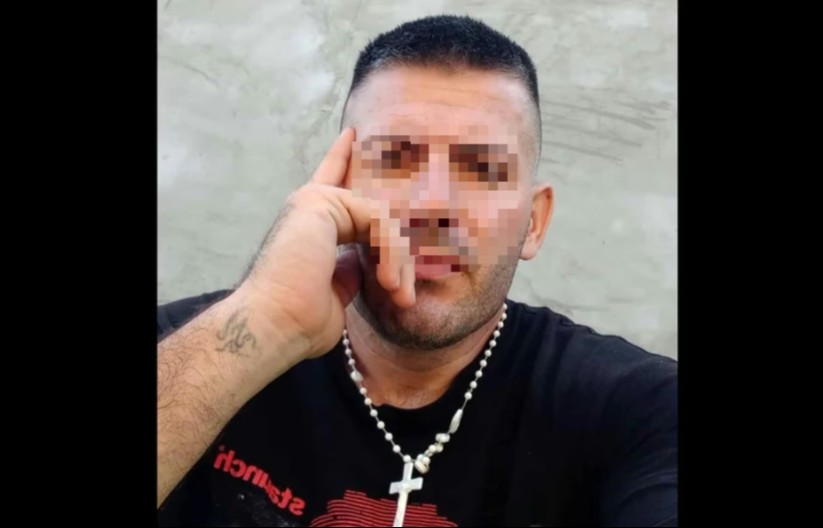

A body of a man was found in or near the Tisa River, in the area of the Žabalj bridge and riverbank, and police and firefighters carried out the recovery at the scene. Media across the spectrum report that the body is in an advanced state of decomposition and that formal identification will depend on autopsy and forensic procedures, though unconfirmed indications suggest it may be the missing man named Ivan, who disappeared in early January after leaving a local venue in Aradac.
Outlets generally agree that the case remains under investigation, that the police and prosecutorial authorities are formally in charge, and that no official cause of death or definitive identification has been released at the time of reporting. They also concur that the possible link to the earlier disappearance has drawn public attention, but emphasize that confirmation must come through institutional channels such as the autopsy report and police statements, rather than speculation.
Areas of disagreement
Certainty of identification. Opposition-aligned outlets are likely to stress the provisional nature of the identification, repeatedly flagging that any link to the missing Ivan is only suspected and warning against premature conclusions, while highlighting gaps in official communication. Pro-government outlets, by contrast, lean more heavily on police and unofficial sources that suggest the body is probably Ivan, framing this as the prevailing working assumption while still noting that autopsy and forensic analysis are pending. Opposition coverage would therefore foreground uncertainty and the risk of misidentification, whereas pro-government coverage tends to treat the suspected identity as almost settled, awaiting only formal confirmation.
Institutional performance. Opposition sources would be inclined to frame the discovery within a broader critique of investigative speed and efficiency, suggesting that the length of time between Ivan’s disappearance and the discovery of the body reflects systemic shortcomings or poor coordination. Pro-government outlets instead present the institutions as acting methodically and professionally, emphasizing the involvement of police and firefighters at the scene and the standard procedure of ordering an autopsy. While opposition narratives would question whether authorities did enough and did it promptly, pro-government reporting portrays the case as handled routinely and competently within existing structures.
Level of detail and tone. Opposition-aligned media would likely delve more into the missing person’s background, the chronology of his disappearance after leaving a pub in Aradac, and any emotional or critical reactions from family or local residents, adopting a more investigative or accusatory tone. Pro-government outlets keep the tone terse and procedural, focusing on the bare facts of the body’s discovery, the suspected link to Ivan, and the forthcoming autopsy, avoiding speculation and emotive framing. In this way, opposition coverage tends to humanize the victim and question circumstances, while pro-government coverage stays closer to official statements and minimizes interpretive commentary.
Broader implications. Opposition outlets are prone to situate the incident within a wider narrative of public safety, governance, and trust in institutions, raising questions about how such disappearances are handled and whether reforms are needed. Pro-government media treat the event as an isolated tragedy under active investigation, avoiding any connection to systemic failings or political responsibility and framing it purely as a police matter. Thus, opposition reporting uses the case to underscore perceived structural problems, whereas pro-government reporting treats it as a contained and essentially apolitical incident.
In summary, opposition coverage tends to emphasize uncertainty, institutional shortcomings, and broader systemic questions raised by the suspected identification of the body, while pro-government coverage tends to foreground official procedures, present the suspected identity as the working assumption, and frame the case as a routine, apolitical police investigation.