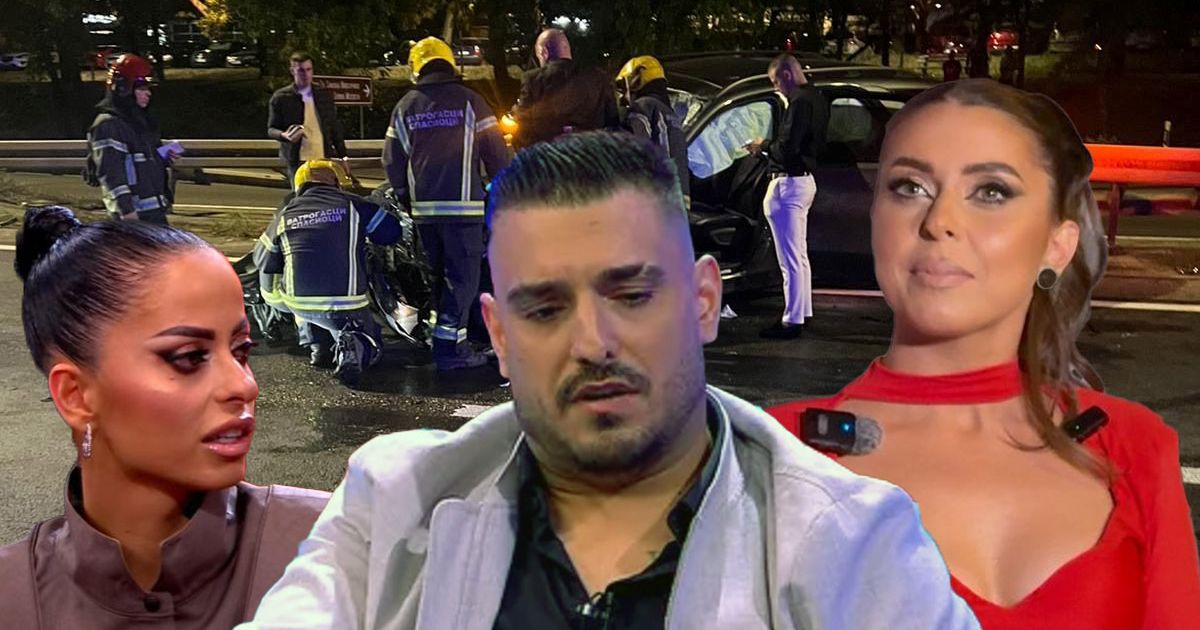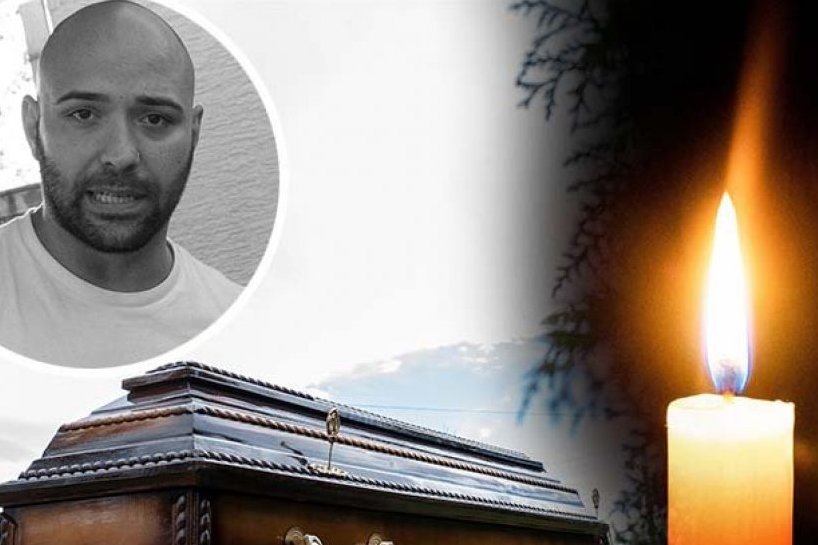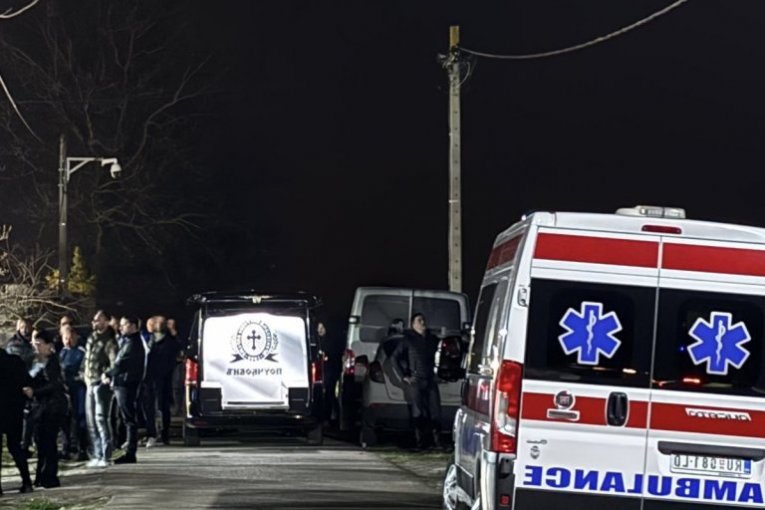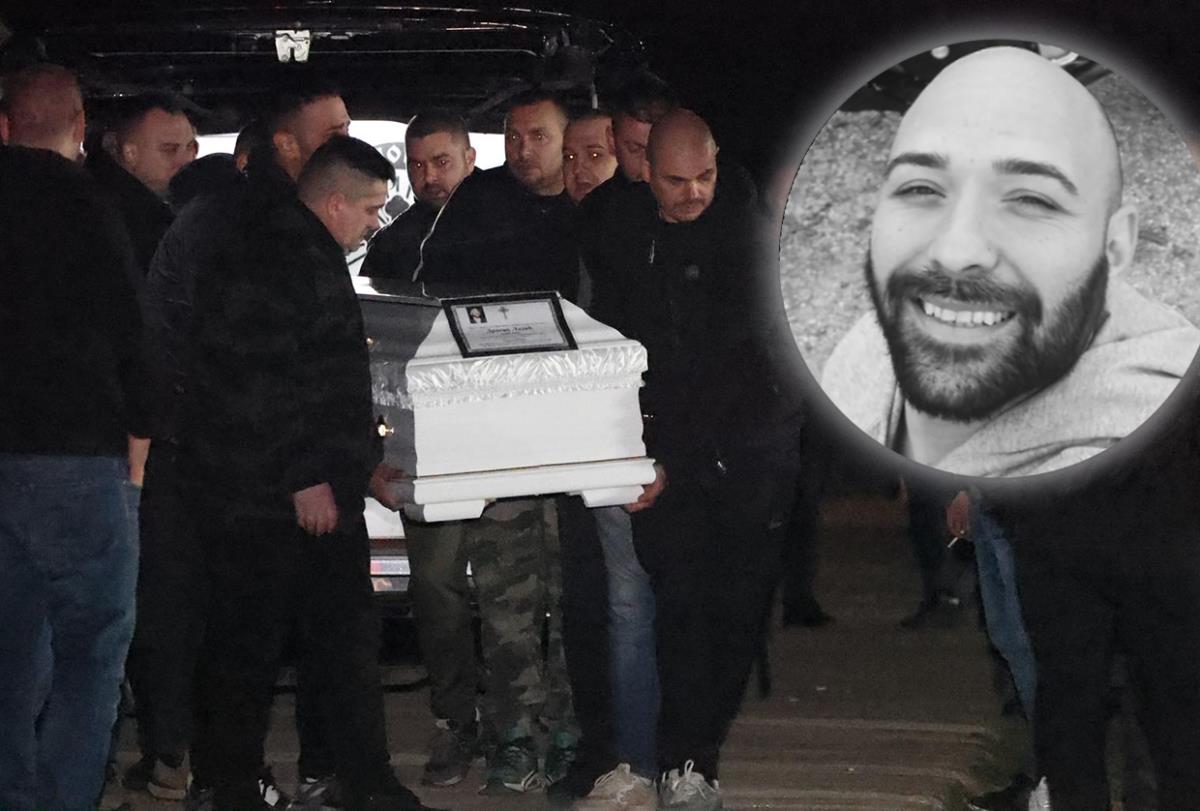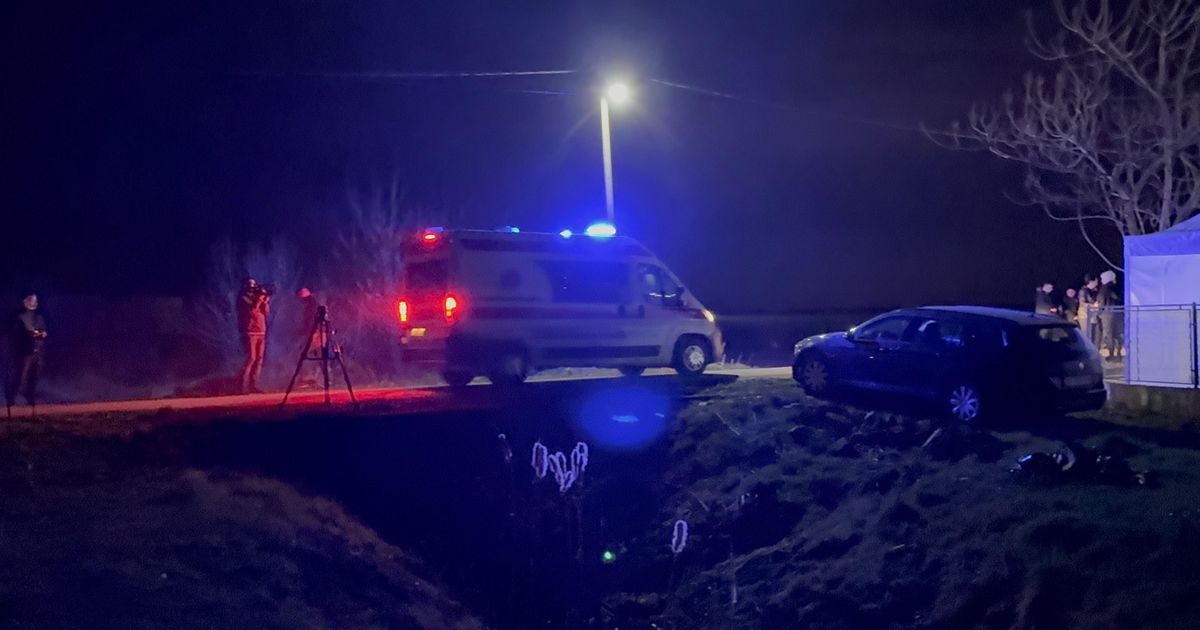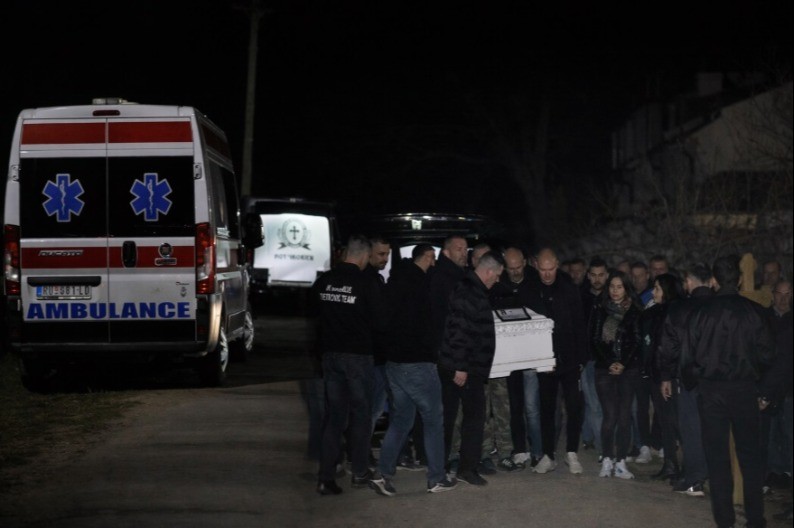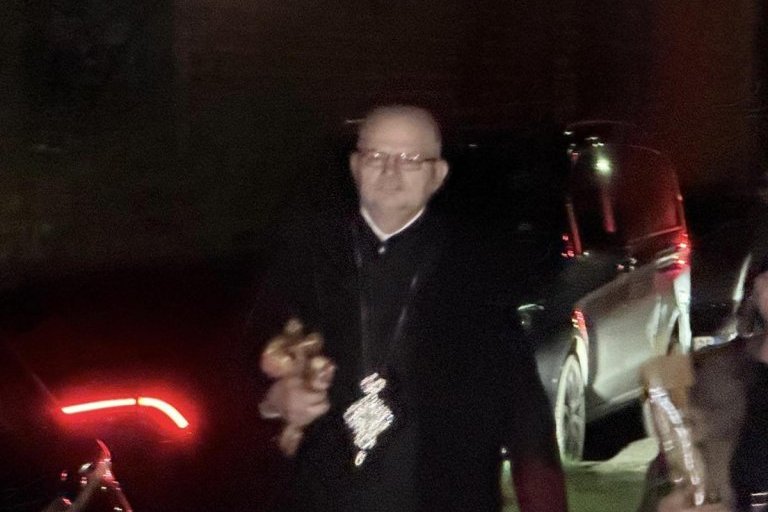



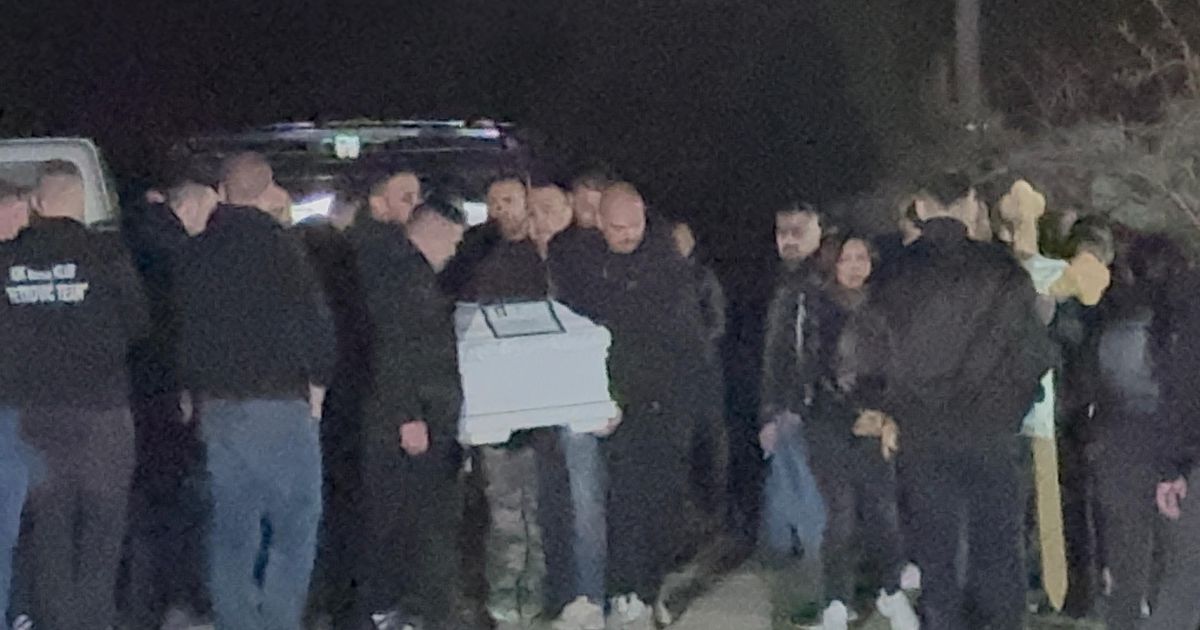
The body of Dragan Lazić, brother of singer Darko Lazić, was transported after an autopsy to the family home in the village of Brestač, where it arrived in a white coffin marked with a death notice on the evening of March 11. Reports describe heartbreaking scenes as his mother Branka, his widow, and other family members and friends wept and screamed in grief, with loud cries heard throughout the yard and village, and an ambulance and priest arriving to assist and prepare for the final rites.
Media agree that Dragan died in a recent traffic accident near Šabac while riding a powerful motorcycle and that he will be laid to rest on March 13 in his hometown, in the family tomb, with biker friends organizing a tribute ride from Šabac to the funeral. Coverage also consistently notes that he leaves behind a devastated wife and two young children, that many public figures and local residents came to offer support to the Lazić family, and that authorities are investigating circumstances including the mismatch between the motorcycle’s engine capacity and Dragan’s license category.
Areas of disagreement
Cause and circumstances of the accident. Opposition-aligned outlets tend to emphasize broader systemic issues around road safety enforcement, vehicle inspections, and possible tolerance of high‑risk driving culture, sometimes questioning whether the police and local institutions adequately monitored licensing and motorcycle regulation. Pro-government media, by contrast, mention the lack of a proper motorcycle license mainly as a factual note and frame the crash primarily as a personal tragedy, avoiding detailed scrutiny of institutional responsibility or regulatory failures.
Institutional responsibility and oversight. Opposition sources generally frame the investigation into Dragan’s motorcycle and license as part of a pattern of lax oversight, arguing that authorities only highlight such details after a fatality and implying that enforcement is selective or politicized. Pro-government outlets instead present the investigation as standard procedure, stressing that police and emergency services responded promptly, and they avoid connecting this case to any systemic critique of ministries, law enforcement, or the ruling party’s governance.
Focus of coverage and framing. Opposition media are more likely to balance emotional reporting with questions about public safety policy, asking what could have been done to prevent the accident and whether similar incidents point to deeper institutional neglect. Pro-government media focus much more on vivid, sensational descriptions of mourning scenes at the family home, amplifying the emotional suffering of Darko, his mother, and widow, and centering the story on celebrity, family tragedy, and communal solidarity rather than on preventative or policy angles.
Public figures and political implications. Opposition coverage tends to downplay the celebrity aspect of Darko Lazić’s status and pays more attention to the rights and needs of ordinary victims’ families, occasionally hinting that attention to this case contrasts with silence on less famous victims. Pro-government outlets underscore the presence of public figures and the support network around the Lazić family, presenting the tragedy as unifying and apolitical, and they avoid connecting the event to any criticism of the government or its broader handling of road safety.
In summary, opposition coverage tends to use the tragedy as a lens to question institutional performance and road safety enforcement, while pro-government coverage tends to treat it as a personal and celebrity-linked family catastrophe, highlighting grief, solidarity, and state normalcy while minimizing systemic critique.
Story coverage