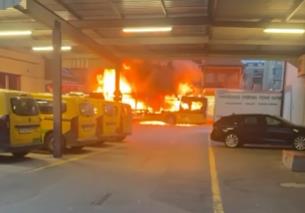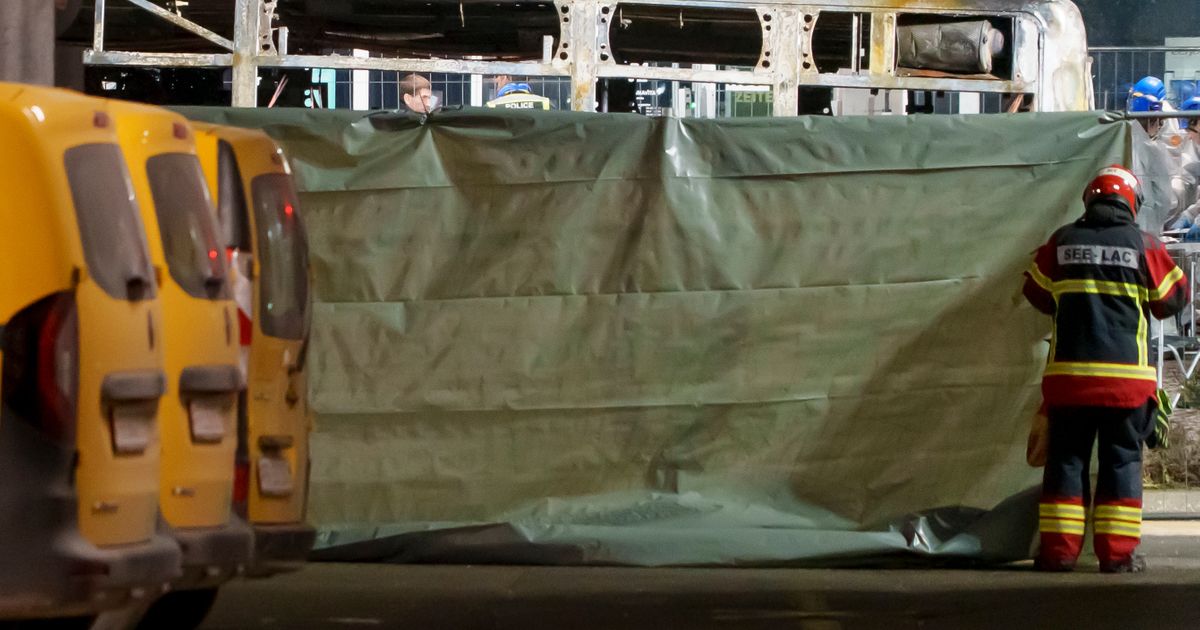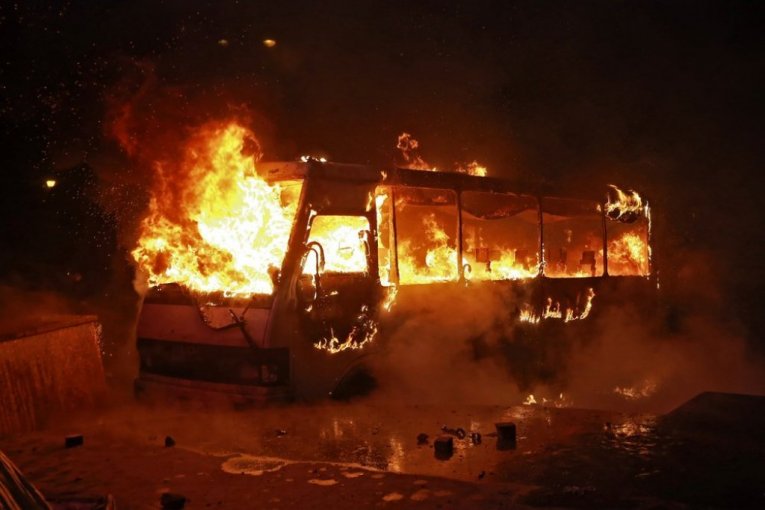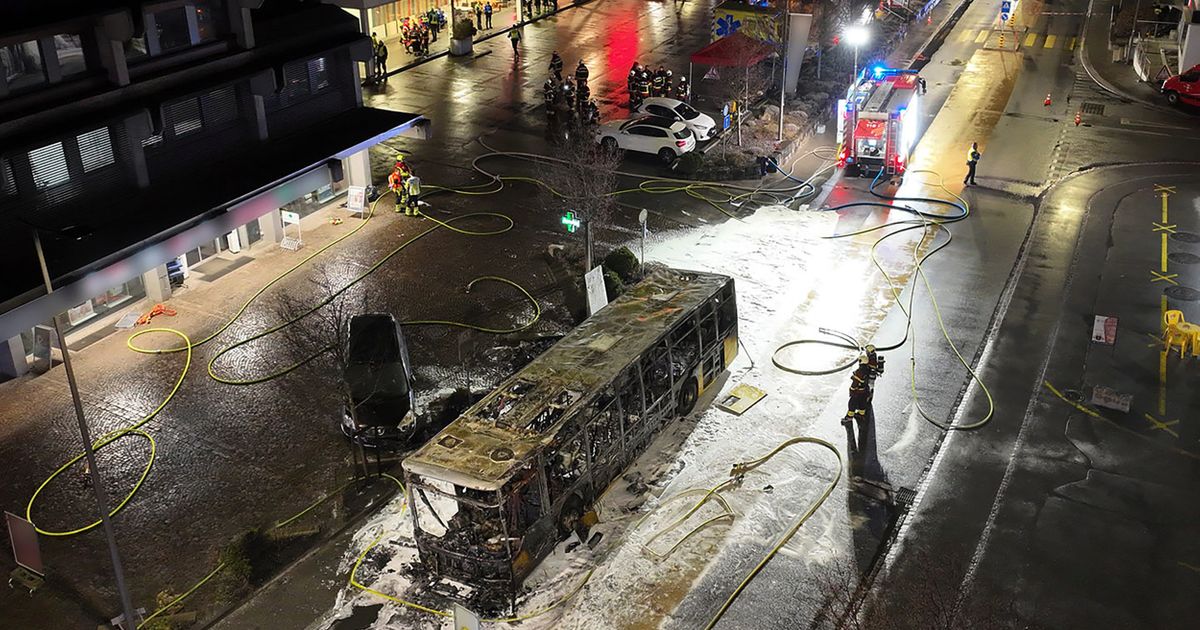


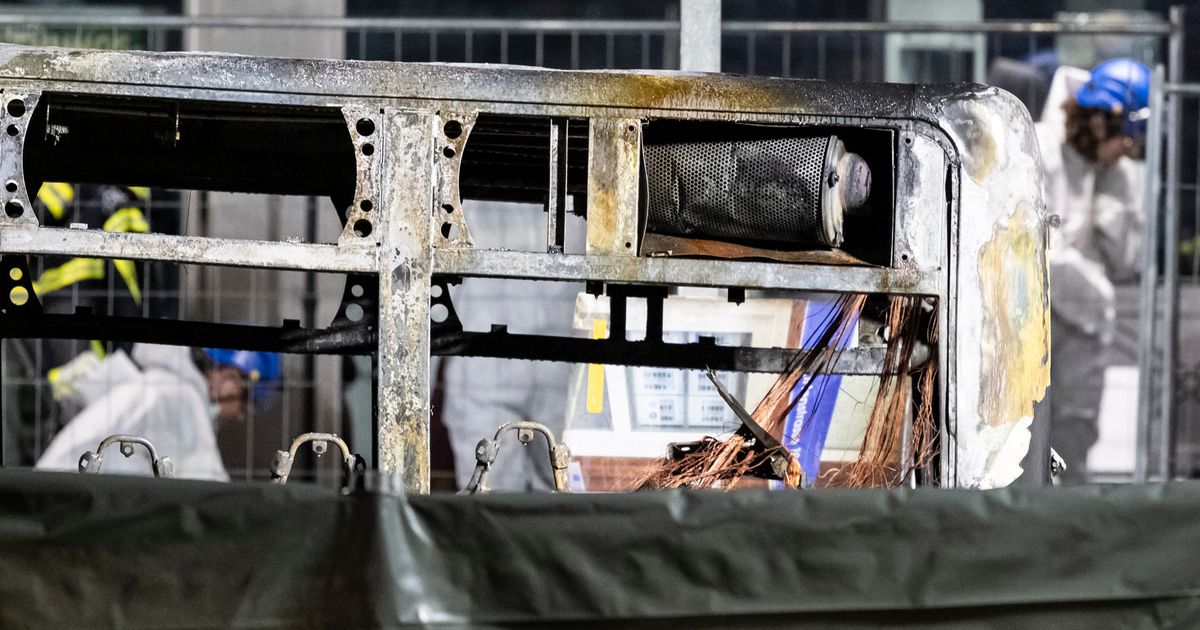
A bus fire in Kerzers, Switzerland, left six people dead and at least five injured when a PostBus vehicle, part of the Swiss national postal service network, was rapidly engulfed in flames. Both opposition and pro-government outlets agree that the incident occurred on a postal bus serving regular passengers, that emergency services including firefighters, police, and medical teams responded quickly, and that the vehicle was ultimately destroyed by the fire. Reporting across the spectrum highlights the same core casualty figures, places the event in Kerzers, and notes that authorities have opened a formal investigation into the circumstances of the blaze.
Across both opposition and pro-government coverage, there is shared acknowledgment that eyewitnesses described a passenger involved with gasoline immediately before the fire, and that investigators are seriously considering the possibility of an intentional act. Both sides underscore that the focus of authorities is now on determining the exact cause, clarifying whether this was self-immolation or another form of deliberate action, and assessing potential security or safety implications for public transport. They also converge on the role of Swiss institutions in managing the aftermath, from the police leading the inquiry to emergency medical services treating burn and smoke-inhalation victims, without disputing the basic sequence of events.
Areas of disagreement
Nature and certainty of intent. Opposition-aligned outlets speak more cautiously about intent, stressing that authorities are investigating a possible deliberate act and describing gasoline involvement and self-immolation scenarios as unconfirmed reports. They tend to frame the incident as an ongoing inquiry where key facts about the perpetrator’s motives remain to be established. Pro-government outlets, by contrast, present the self-immolation narrative as near-certain, using graphic language and headlines that state the individual entered the bus, doused themselves in gasoline, and set themselves on fire as an established cause rather than a hypothesis.
Tone and emotional framing. Opposition coverage maintains a relatively restrained, fact-focused tone, emphasizing casualty counts, institutional responses, and the need for confirmation before drawing broader conclusions. Sensational language is limited, with fewer vivid descriptions of the victims’ suffering or the visual horror of the burning bus. Pro-government coverage uses dramatic, emotive wording and “horror” framing, highlighting chilling survivor testimony and graphic eyewitness details to maximize the emotional impact and immediacy of the tragedy for readers.
Institutional performance and accountability. Opposition outlets subtly foreground questions about systemic responsibility by noting the role of PostBus as part of the national postal service and connecting the event to broader concerns about public-transport safety and risk management. Their framing invites scrutiny of whether existing protocols and preventive measures were adequate, even if explicit blame is not assigned. Pro-government outlets, however, largely emphasize the inevitability and exceptional nature of the tragedy, praising the rapid reaction of emergency services and downplaying any implication that state institutions or operators might share responsibility beyond responding to an unforeseeable act.
Broader implications and takeaways. Opposition coverage is more inclined to situate the event within a wider debate about security on public buses, mental health, and the need for transparent investigation outcomes before policy responses are decided. It generally avoids turning the incident into a didactic moment and instead stresses fact-finding. Pro-government coverage, by contrast, supplements the story with practical fire-safety tips and individualized survivor narratives, steering readers toward personal preparedness and moral shock rather than structural or political critiques, and treating the event as a singular horror rather than a symptom of systemic gaps.
In summary, opposition coverage tends to emphasize caution, institutional context, and the need for verified information before assigning intent or blame, while pro-government coverage tends to present the self-immolation version as established fact, foreground emotional impact and personal stories, and frame state and service responses in a largely affirming light.