

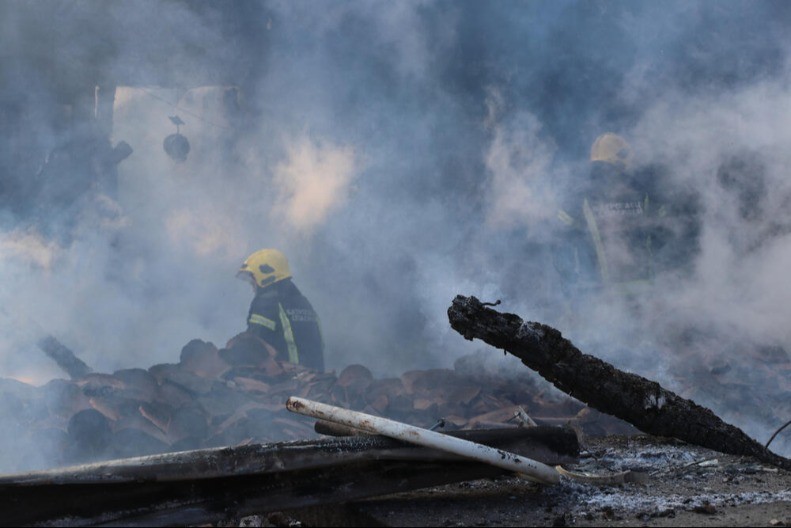
A 73-year-old man died while trying to extinguish a fire on his property near Prijepolje, specifically in the village of Kosatica. Both opposition and pro-government outlets agree that the fire affected low vegetation on his land, that the incident occurred during routine clearing or cleaning of the area, and that he succumbed after attempting to put out the blaze. They also concur that the precise circumstances of his death and the ignition of the fire remain subject to an official investigation by competent authorities, and that the case is treated as part of a broader pattern of seasonal fires in rural parts of Serbia.
Coverage across the spectrum situates the event within the framework of fire safety and rural risk, highlighting the role of emergency services, local authorities, and official investigative bodies. Both sides note that professional firefighters and relevant institutions are tasked with establishing the cause and sequence of events, and they present the tragedy as an illustration of the dangers faced by elderly residents maintaining their land. They also share a focus on preventive measures, mentioning standard recommendations for safe handling of electrical devices, controlled burning, and vegetation management as part of ongoing efforts to reduce similar incidents.
Areas of disagreement
Responsibility and blame. Opposition-aligned sources are likely to frame the death as a systemic failure, arguing that state institutions have not provided adequate rural fire-prevention infrastructure, public education, or timely inspections, thereby indirectly contributing to such tragedies. Pro-government outlets, by contrast, emphasize individual circumstances and the accidental nature of the incident, avoiding any suggestion of institutional culpability and stressing that the exact causes are still under investigation.
Role of the state and services. Opposition coverage tends to highlight gaps in the reach, capacity, or responsiveness of firefighting and emergency medical services in remote villages, portraying the event as evidence that rural citizens are left to fend for themselves. Pro-government media underscore the involvement of "competent services" and present them as active, professional, and engaged, often foregrounding official statements and technical recommendations rather than questioning state performance.
Broader framing and narrative. Opposition sources are likely to situate the case within a longer trend of mismanaged environmental and safety risks, tying it to issues like depopulation, underinvestment in rural areas, and weak oversight of burning practices. Pro-government outlets instead tend to treat it as an isolated tragedy within a generic category of seasonal fires, avoiding broader political or structural interpretations and focusing on immediate facts and safety advice.
Preventive messaging and accountability. Opposition reporting often uses such incidents to argue for concrete reforms—better local training, equipment, and regulations—and may criticize authorities for offering only abstract recommendations after the fact. Pro-government coverage frames preventive tips from firefighters as evidence that institutions are proactive and responsible, placing emphasis on citizen compliance with safety advice rather than on governmental shortcomings.
In summary, opposition coverage tends to interpret the man's death as a symptom of structural neglect and underperforming rural safety systems, while pro-government coverage tends to present it as an unfortunate but essentially isolated accident addressed by competent institutions through investigation and standard preventive guidance.
Story coverage
pro-government
IMA MRTVIH! Veliki požar kod Prijepolja!
Još se utvrđuju okolnosti koje su dovele do tragedije.
21 days ago