pro-government
Six people slightly injured in four accidents in Belgrade
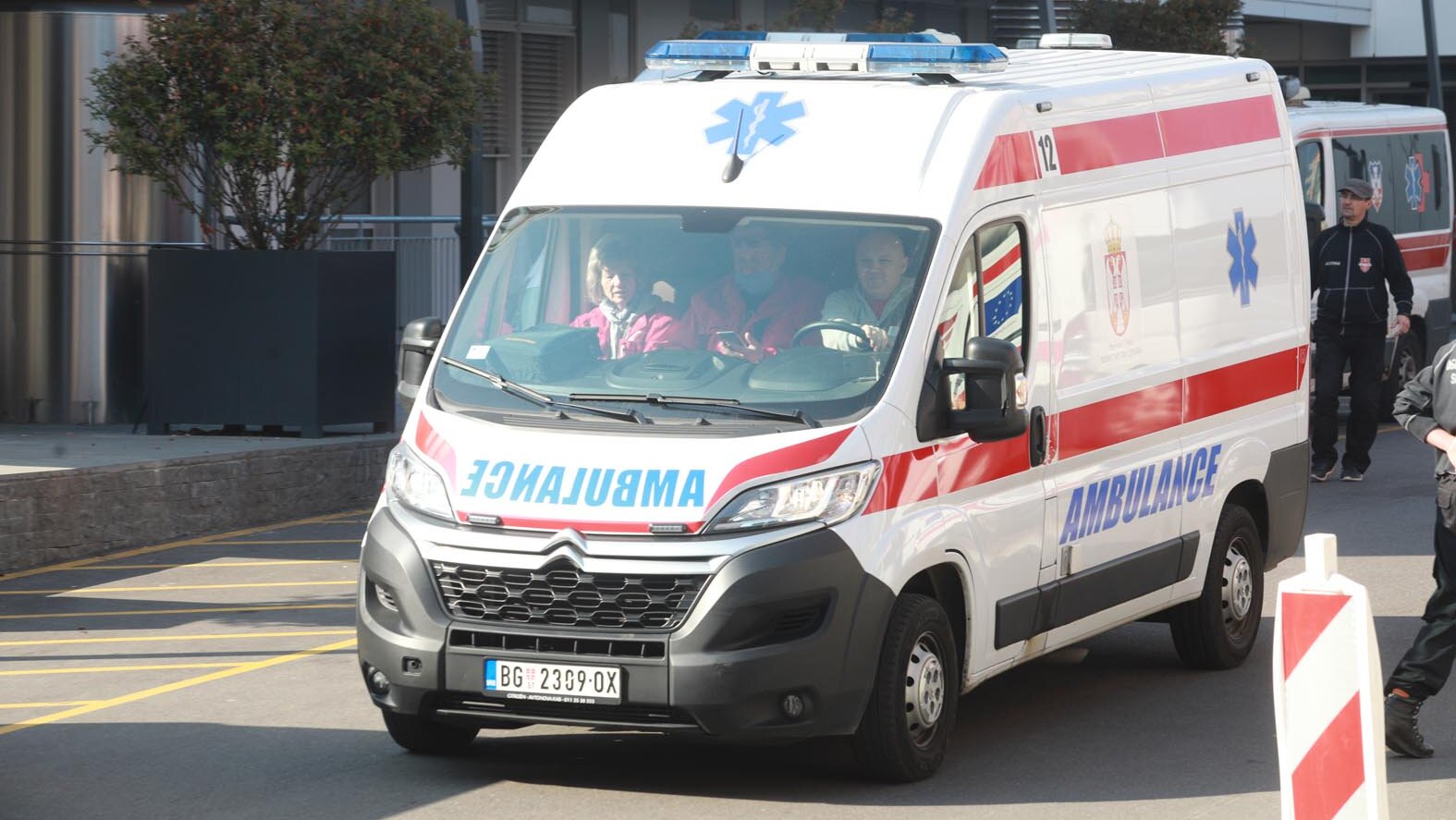
Six people were slightly injured in four traffic accidents that occurred overnight in Belgrade, Tanjug was told by the Emergency Services.
a month ago
Overnight in Belgrade, four traffic accidents led to six people sustaining minor injuries, according to both opposition-aligned and pro-government outlets. All reports agree that the accidents happened during the night, that emergency medical services intervened at the scenes, and that none of the injuries were described as life-threatening. Both sides also concur that, beyond the traffic incidents, emergency services had a very active night handling a large number of additional calls.
Coverage from both camps similarly highlights that emergency services carried out around one hundred interventions in total, with roughly a sixth of these occurring in public places. Both sets of reports emphasize that chronic patients made up the bulk of those seeking medical help, with particular reference to respiratory and asthmatic patients as the most frequent callers. The shared framing underlines the strain on emergency services and the recurring pattern of night-time calls from vulnerable patient groups.
Scale and precision of emergency workload. Opposition-aligned outlets typically cite a rounded figure of about one hundred total emergency interventions with 17 in public spaces, using this to underscore the heavy load on medical services. Pro-government outlets instead give slightly lower, more specific numbers of 96 total interventions and 16 in public places, stressing accurate reporting and suggesting the workload, while high, remains within manageable limits. The difference in figures allows opposition media to imply an overstretched system, while pro-government media frame it as busy but controlled.
Emphasis on systemic strain. Opposition coverage uses the incidents and the volume of calls to hint at broader systemic issues in healthcare and emergency response, suggesting that frequent night calls from chronic patients reflect gaps in primary and preventive care. Pro-government coverage presents the same data as evidence of a reliably functioning emergency service, focusing on successful responses and the absence of serious injuries. Thus, the opposition leans toward interpreting the events as a symptom of structural problems, while pro-government outlets highlight operational competence.
Characterization of vulnerable patients. Opposition sources tend to describe chronic patients more generally, implying a wide group of people dependent on emergency interventions and thus a population insufficiently supported by regular healthcare channels. Pro-government reporting narrows in on asthmatics as the most frequent callers, presenting this as a predictable pattern tied to weather or seasonal conditions rather than policy shortcomings. In this way, opposition media connect patient vulnerability to governance quality, while pro-government media link it to medical factors outside direct political control.
In summary, opposition coverage tends to present the accidents and emergency calls as indicators of a heavily burdened system with underlying structural issues, while pro-government coverage tends to frame them as routine incidents efficiently handled by a capable and responsive emergency service.