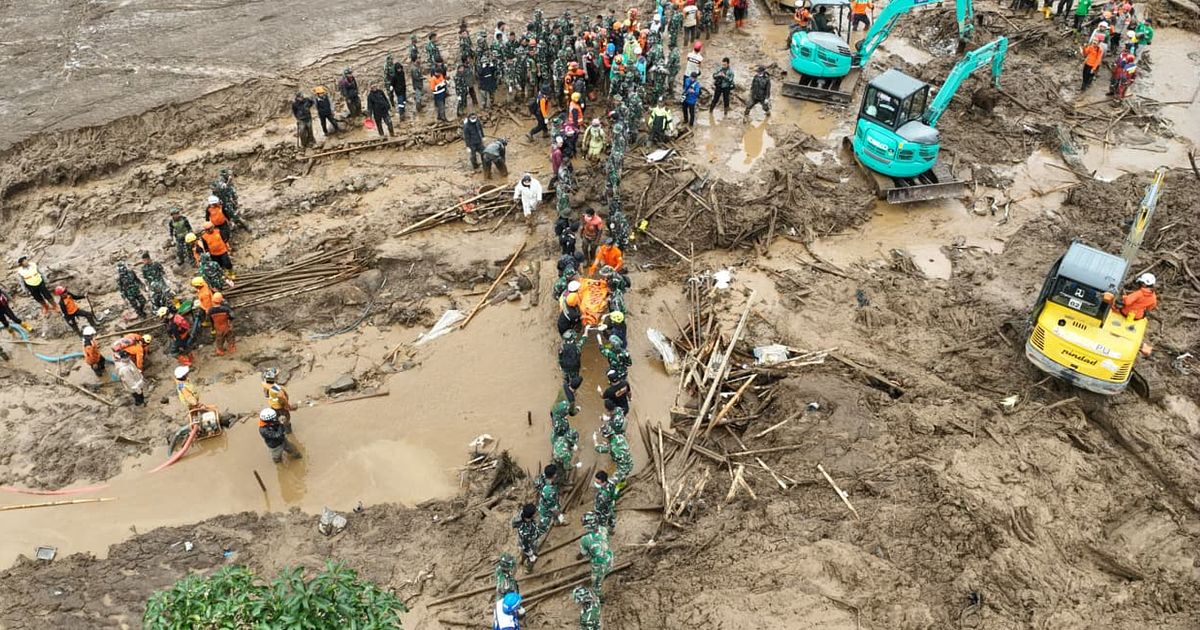

A landslide at the Rubaya coltan mining area in eastern DR Congo has killed more than 200 people, with reports indicating that around 70 children are among the dead. The disaster occurred on Tuesday following days of heavy rainfall, when a section of earth collapsed onto miners and nearby residents, leaving gruesome scenes of destruction and prompting emergency evacuations and medical transfers to the regional hub of Goma.
Across outlets, coverage agrees that the site is a major source of coltan, a key mineral used in the production of electronics worldwide, and that the landslide was directly triggered by intense rains saturating the soil. Both sides acknowledge that the area has long been associated with unsafe, largely informal mining conditions and that prior concerns had been raised about the risks to local communities. There is also shared recognition that eastern DR Congo’s overlapping conflicts, the presence of armed groups, and weak regulatory enforcement have contributed to a broader pattern of vulnerability to such disasters at mineral extraction sites.
Areas of disagreement
Responsibility and blame. Opposition-aligned sources tend to frame the catastrophe primarily as a consequence of state failure, emphasizing the government’s inability or unwillingness to regulate mining safety, enforce environmental standards, and protect civilians in rebel-held areas. Pro-government sources, by contrast, stress the immediate role of heavy rainfall and highlight that the mine is controlled by the AFC/M23 rebel group, implicitly shifting responsibility toward armed actors outside formal state authority.
Role of rebel groups and control of territory. Opposition reporting typically acknowledges rebel control but uses it to argue that the government’s loss of territorial control is itself a policy failure, pointing to years of mismanagement and weak security strategies. Pro-government outlets describe the mine’s occupation by AFC/M23 as the central structural problem, suggesting that as long as armed groups dominate lucrative sites, they can evade national standards and undermine any reforms the central authorities attempt to implement.
Systemic causes and international dimension. Opposition narratives often foreground systemic corruption, impunity, and the government’s complicity in opaque mining deals, linking the landslide to a broader pattern of extractive exploitation and neglected oversight. Pro-government coverage is more likely to situate the tragedy within global demand for coltan, stressing that international companies and foreign consumers benefit from minerals sourced in conflict zones and therefore share moral responsibility, while presenting the Congolese state as a constrained actor in a skewed global market.
Prospects for reform and accountability. Opposition outlets usually call for independent investigations, stronger parliamentary oversight, and possibly international inquiries, portraying existing government promises of reform as recycled and ineffective. Pro-government media tend to emphasize official statements of concern, pledges of aid to victims, and prospective regulatory or security measures, casting the state as engaged in ongoing efforts to improve mining safety despite the difficulties posed by conflict.
In summary, opposition coverage tends to treat the landslide as evidence of deep-seated state failure and demand far-reaching accountability, while pro-government coverage tends to stress natural causes, rebel control, and external constraints while portraying the central authorities as concerned and reform-minded.