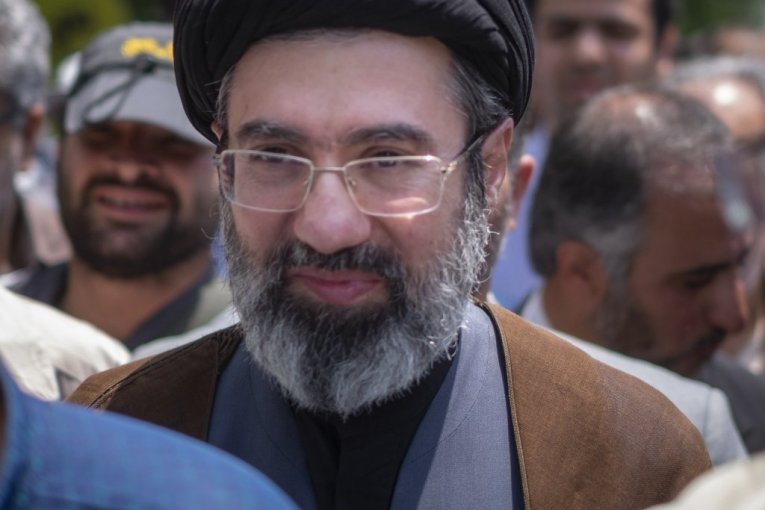


pro-government
Iran gets new supreme religious leader
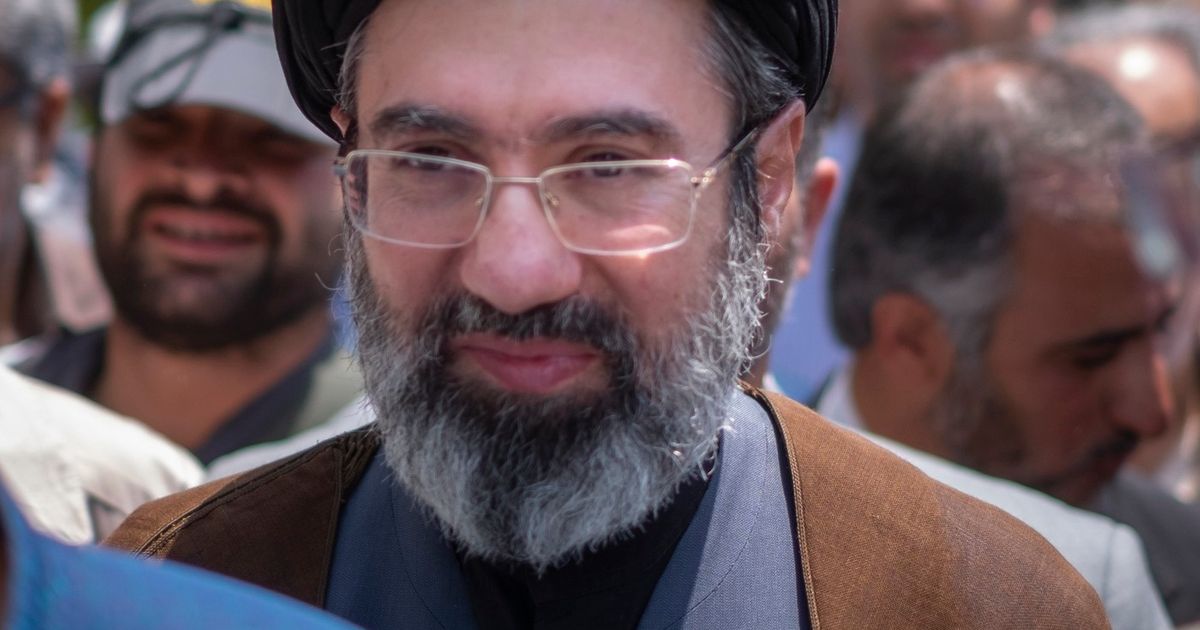
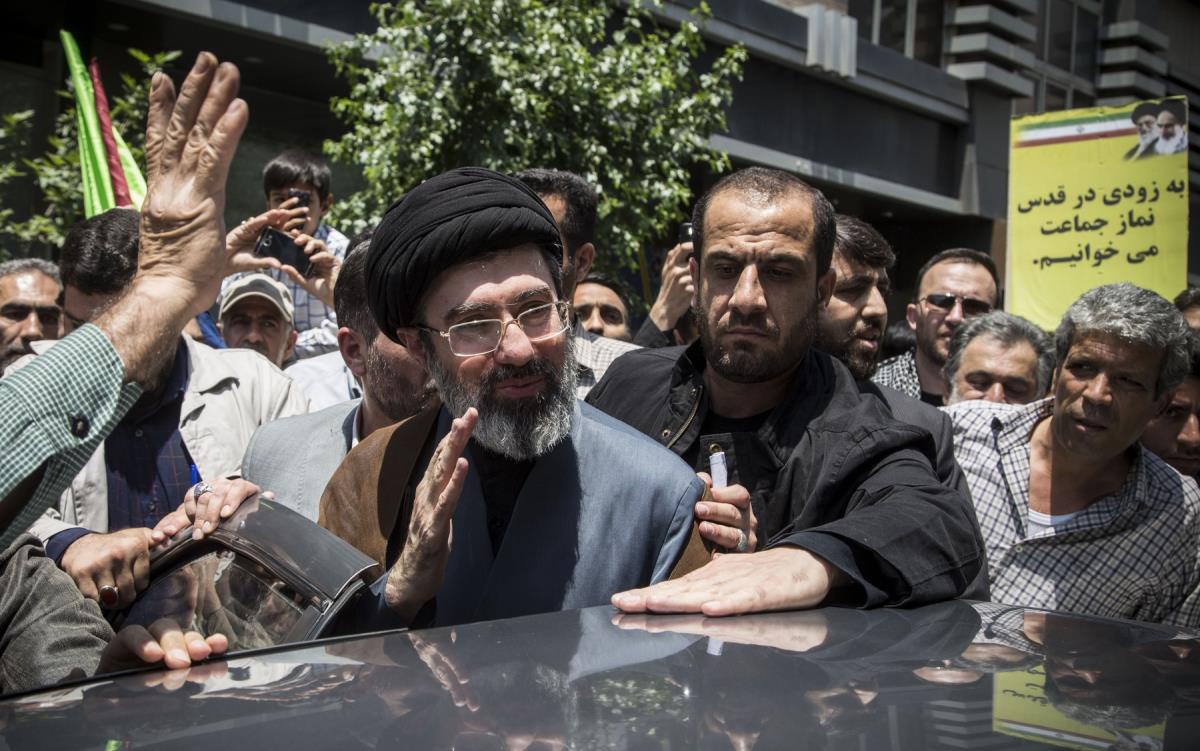
The Iranian Assembly of Experts has elected Mojtaba Hosseini Khamenei as the new supreme leader of the Islamic Republic, Iran International reported.
a month ago
Mojtaba Hosseini Khamenei, the son of the late Supreme Leader Ali Khamenei, has been selected by Iran’s Assembly of Experts as the new Supreme Leader of the Islamic Republic, assuming both the highest religious and political authority in the country. Both opposition and pro-government coverage agree that this elevation follows Ali Khamenei’s assassination in a joint or coordinated airstrike attributed to Israel (sometimes alongside the United States), and that the process unfolded amid intense regional tensions, including reported strikes on Iranian-linked targets and threats of further escalation. They also converge on basic biographical points: Mojtaba was born in 1969, is in his mid‑50s, was trained in Islamic theology, and has long‑standing ties to powerful institutions such as the Revolutionary Guard.
Across the spectrum, outlets describe the Assembly of Experts as the constitutional body that formally selects the Supreme Leader and acknowledge that Mojtaba’s rise occurs in a period of acute external pressure and internal security concerns. Reporting from both sides notes that the Islamic Revolutionary Guard Corps, senior clerics, and security services play a central role in succession politics and that the leadership transition is framed as vital to regime continuity and regional posture. There is shared recognition that the Supreme Leader’s office controls wide‑ranging levers of power—from the armed forces and key economic conglomerates to oversight of elections—and that Mojtaba’s appointment is therefore pivotal for Iran’s future direction and its confrontation with Israel, the United States, and regional rivals.
Legitimacy of the selection. Opposition sources portray Mojtaba’s appointment as a dynastic succession engineered behind closed doors, emphasizing the role of security agencies and alleging that the Assembly of Experts merely rubber‑stamped a prearranged outcome. Pro-government outlets, by contrast, stress that the Assembly of Experts fulfilled its constitutional duty under extraordinary circumstances, presenting the vote as a collective and lawful expression of the clerical establishment’s will. Where opposition coverage emphasizes lack of transparency and public input, pro-government coverage highlights institutional continuity and religious-legal justification.
Role of the Revolutionary Guard. Opposition-leaning media typically depict the IRGC as the decisive power broker, claiming Mojtaba was installed “under pressure” or even at the behest of Guard commanders, reinforcing a narrative of militarized authoritarianism. Pro-government sources acknowledge IRGC influence but frame it as patriotic support for stability and resistance rather than coercion, noting that alignment between clerical and military elites is essential in wartime. The former uses IRGC involvement to question civilian and clerical autonomy, while the latter uses it to underscore unity of command against external threats.
Characterization of Mojtaba Khamenei. Opposition coverage emphasizes allegations about Mojtaba’s personal wealth, foreign financial channels, and opaque networks, presenting him as an unelected power broker with long-standing behind-the-scenes influence and limited public religious stature. Pro-government outlets instead foreground his seminary credentials, his years of theological study, and his loyalty to the ideological line of the Islamic Republic, downplaying or ignoring corruption claims. While critics frame him as a symbol of nepotism and entrenched elite privilege, state-aligned narratives cast him as a seasoned, pious figure ready to carry forward his father’s legacy.
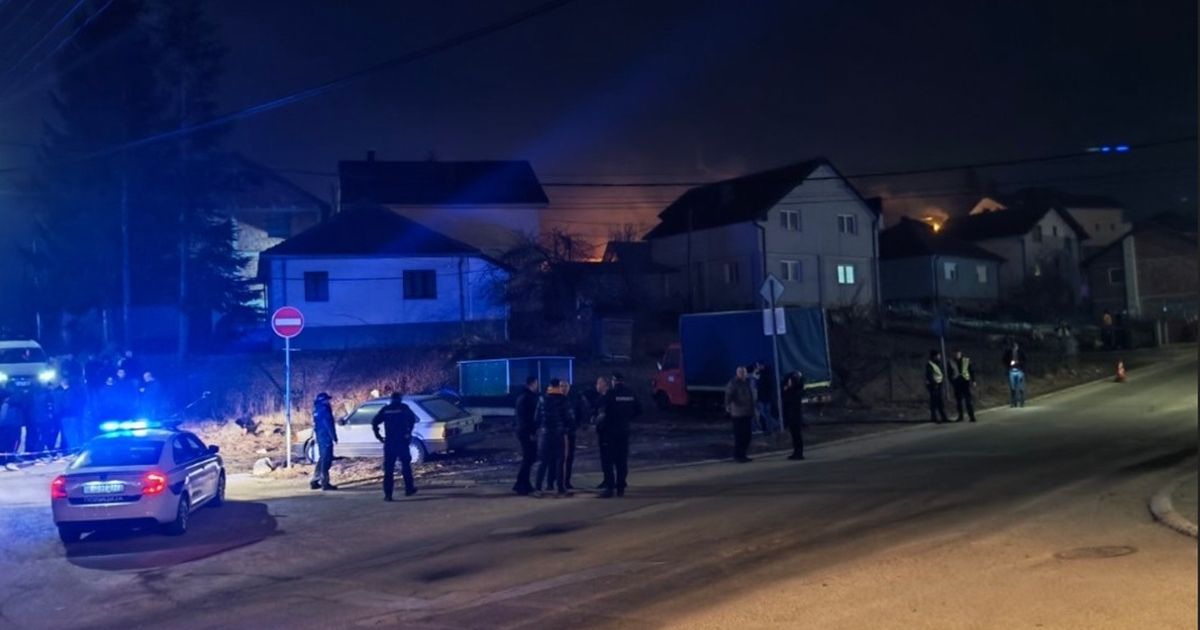
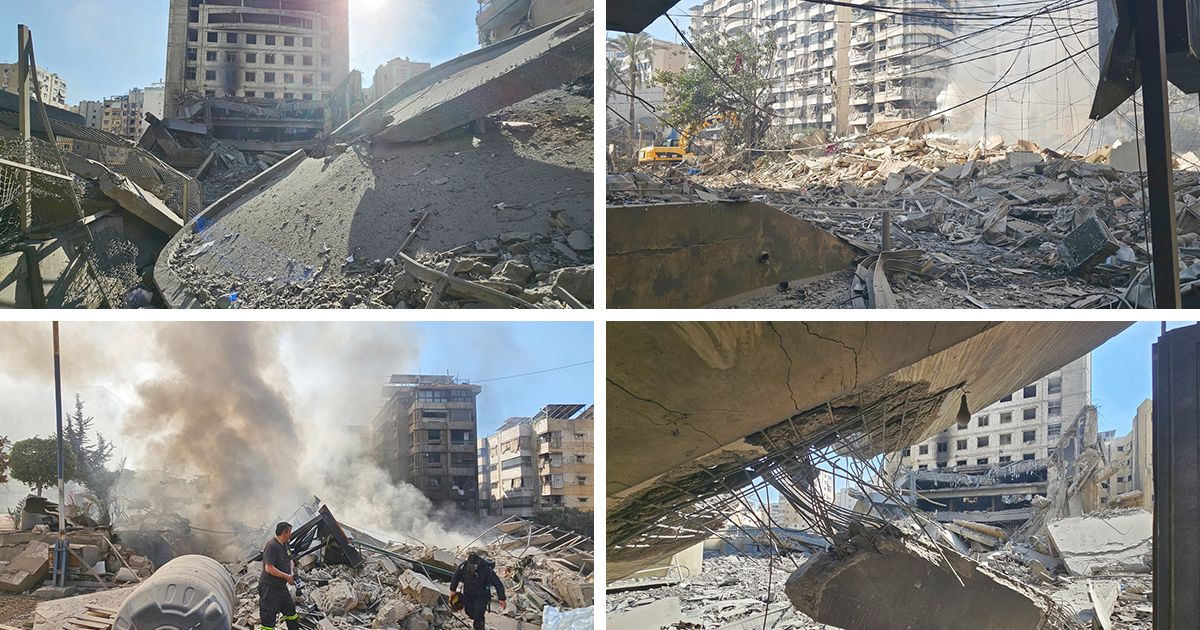
Framing of external conflict and assassination. Opposition sources tend to present Ali Khamenei’s assassination and subsequent attacks, including the strike on a clerical meeting in Qom, as evidence of the regime’s vulnerability and the dangers of its regional policies, sometimes questioning official accounts or suggesting internal fractures. Pro-government media depict these same events as acts of aggression by Israel and possibly the United States, aimed at decapitating Iran’s leadership and sowing chaos, thereby justifying a hard line in security and foreign policy. While opposition outlets link the turmoil to systemic flaws and overreach by Iran’s rulers, pro-government outlets frame it as a validation of their narrative of foreign plots and a rallying point for national unity.
In summary, opposition coverage tends to portray Mojtaba Khamenei’s elevation as a closed, militarized, and dynastic maneuver that underscores systemic illegitimacy, while pro-government coverage tends to frame it as a lawful, religiously grounded succession that preserves stability and strengthens Iran’s capacity to confront external enemies.