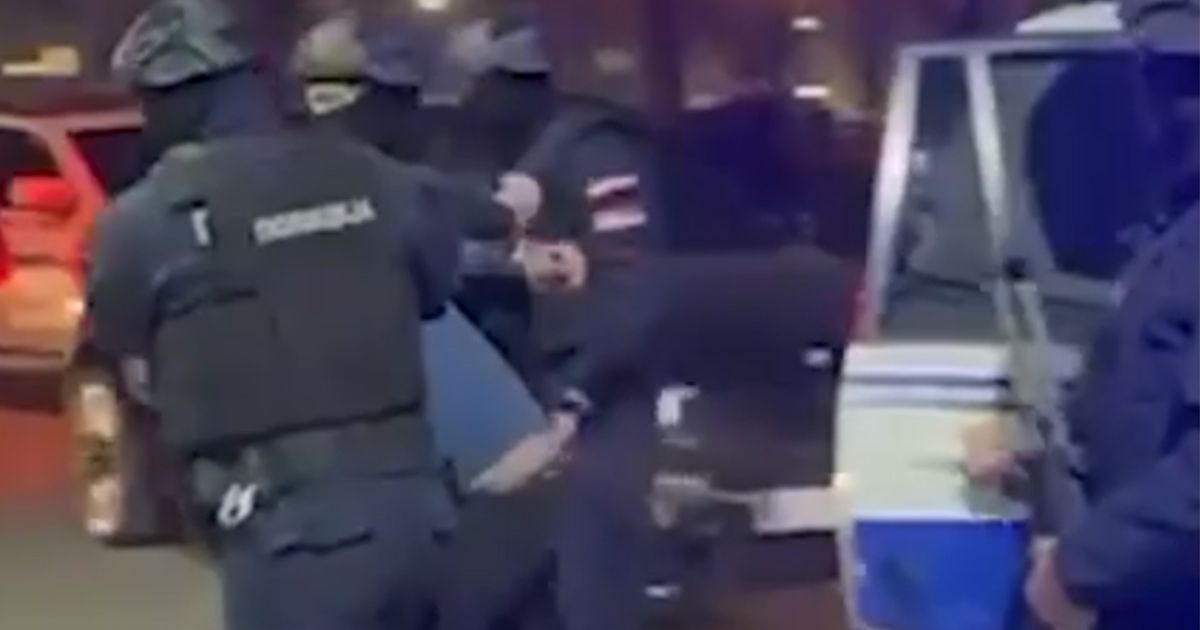



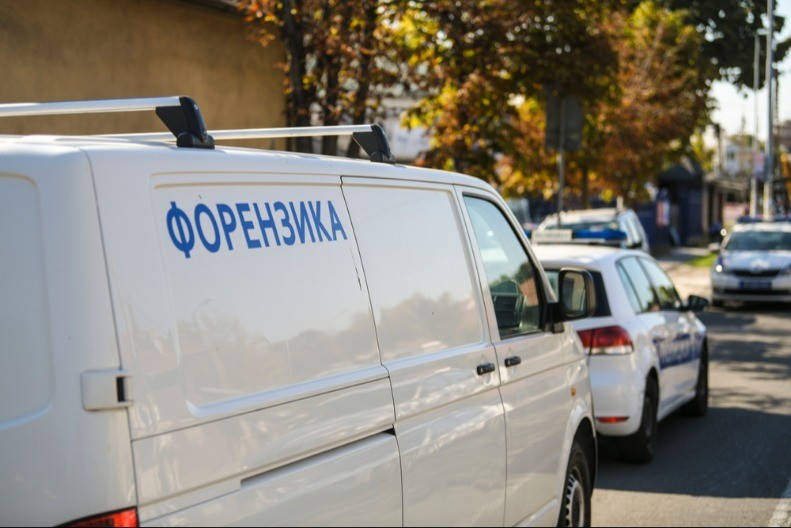
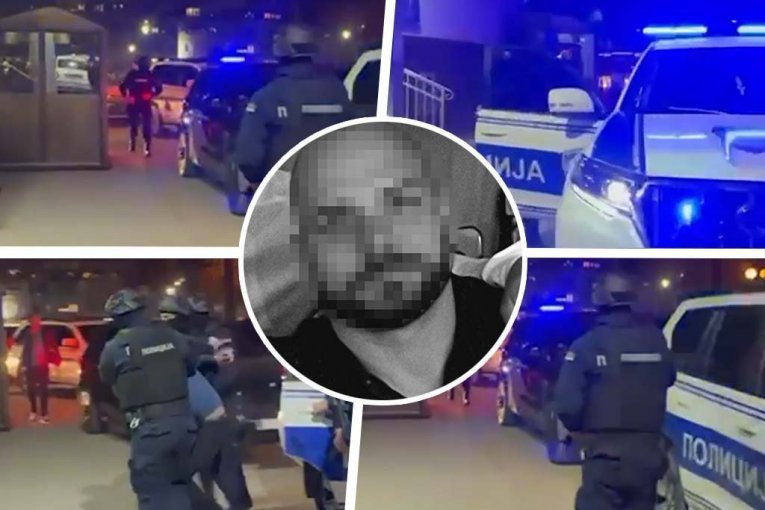
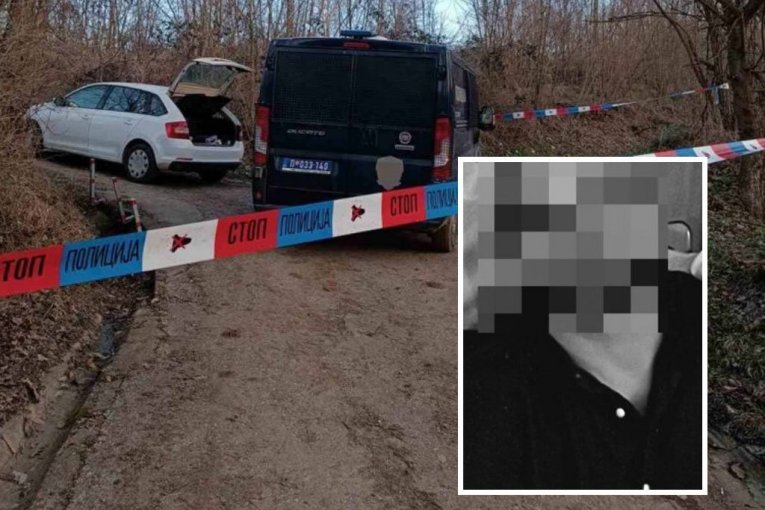
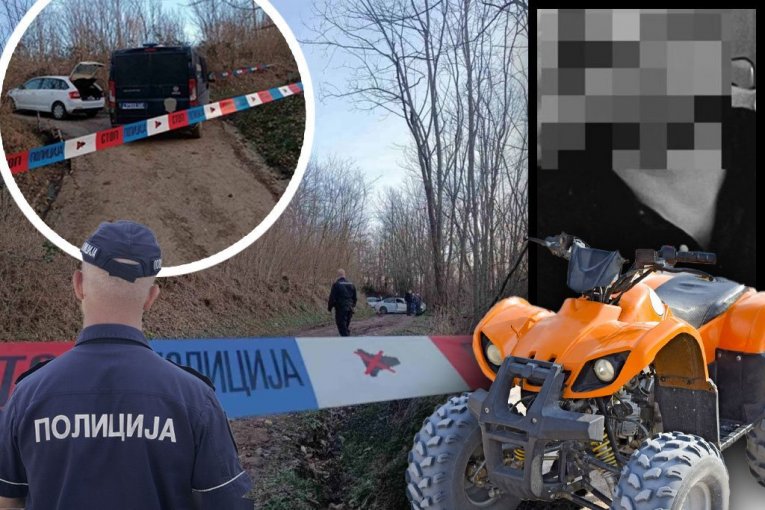
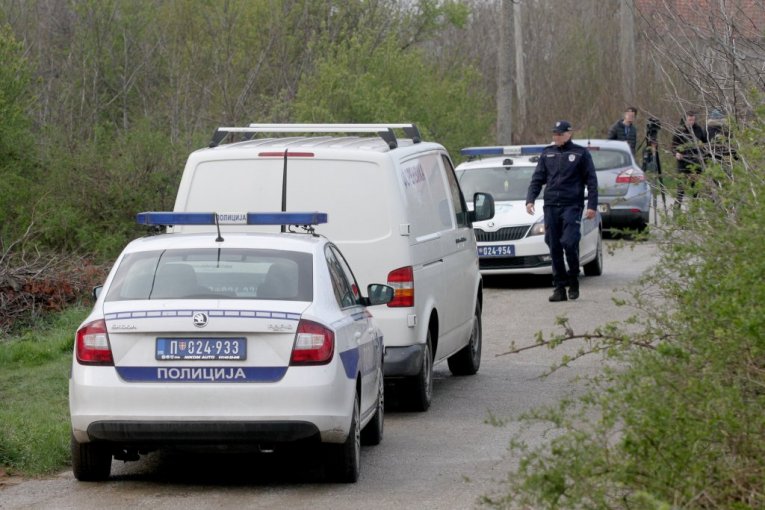
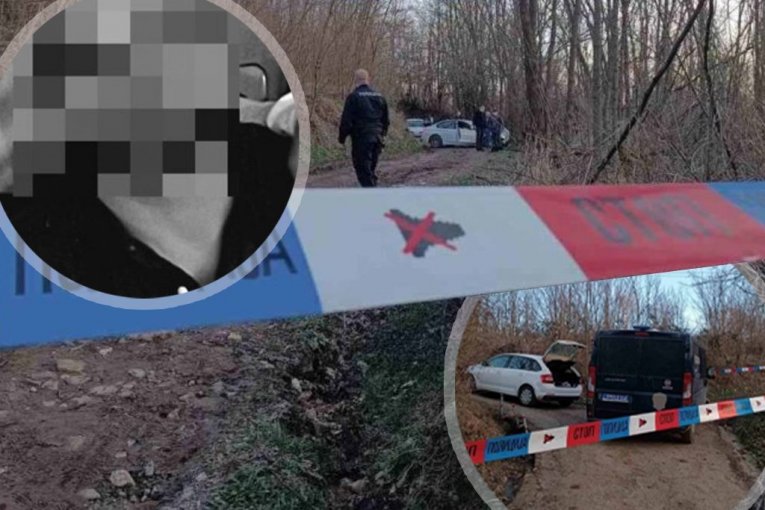
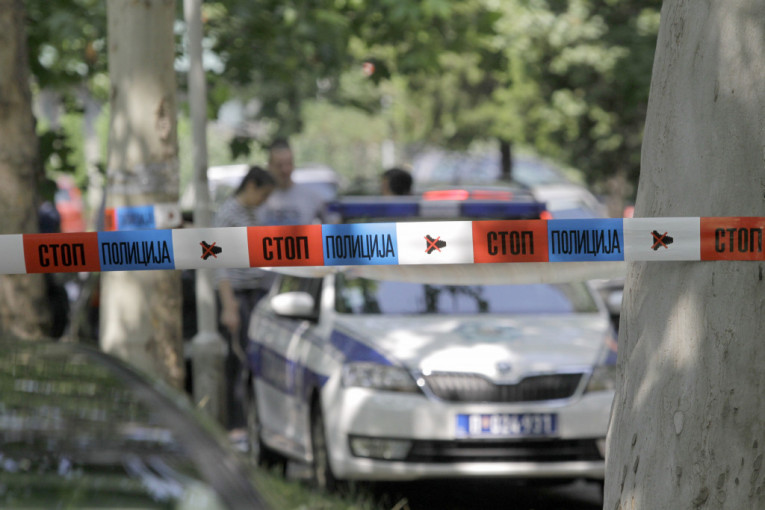
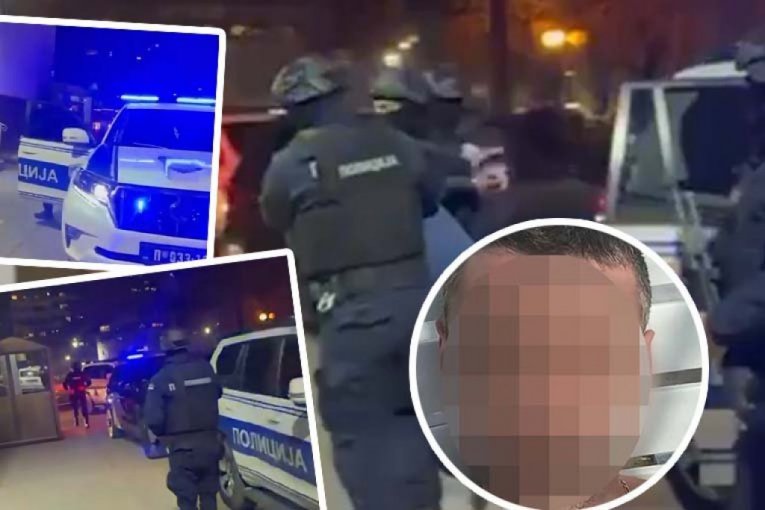
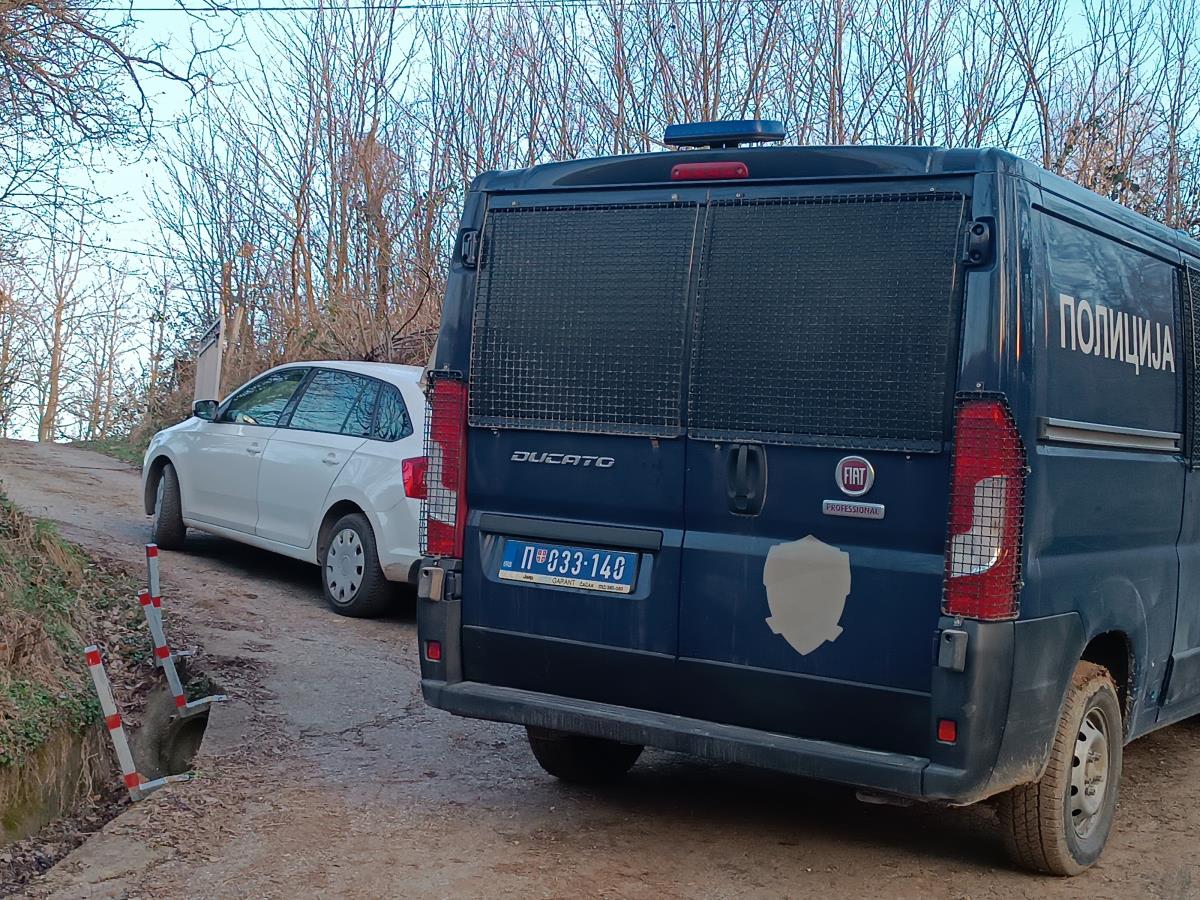
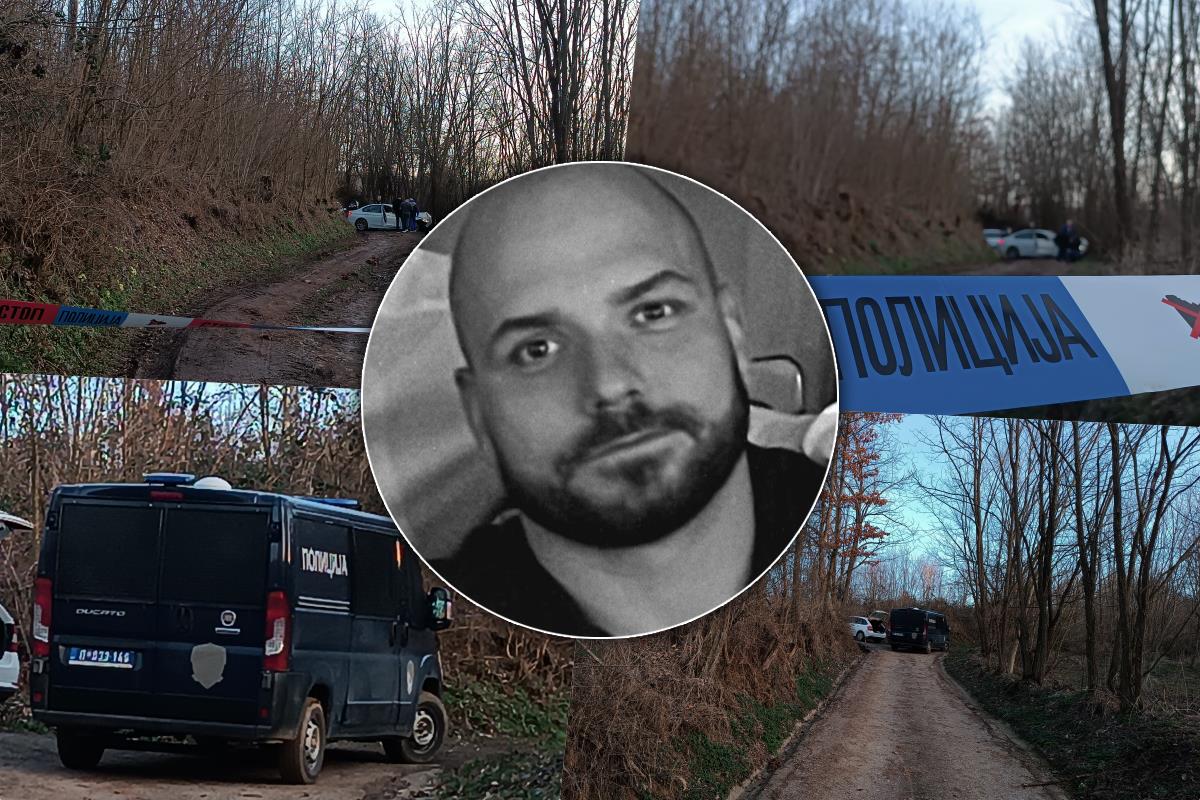
A 35-year-old man identified as Novak Knežević (often abbreviated as N.K. or Novak K.) was fatally shot in the Erdeč neighborhood near Kragujevac while he was in his car with his wife and two young children, having been at or returning from a weekend cottage with friends. According to aligned accounts in pro-government reporting, an attacker on a quad bike intercepted or approached his vehicle and fired multiple shots, reportedly around five, one or more of which proved fatal, and the victim died at the scene. Police statements cited by these outlets say that within roughly 24 hours the Kragujevac Police Administration arrested a primary suspect, B.V. (in his early forties and described as a painter at a local service), on suspicion of aggravated murder, and a younger man, M.V. (early twenties), on suspicion of inciting the crime; both were detained for 48 hours pending transfer to the Higher Public Prosecutor’s Office. Photo galleries and video segments show the crime scene, the victim’s vehicle, and the suspects being brought to the station in handcuffs, and authorities emphasize that the motive and full circumstances remain under investigation.
The shared contextual frame across the available coverage is that this killing is treated as a serious aggravated murder case occurring in a residential or semi-rural setting, shocking local residents and drawing a large police response. Institutions consistently mentioned are the Kragujevac Police Administration, the Ministry of Internal Affairs (MUP), and the Higher Public Prosecutor’s Office, which together manage the on-site investigation, search operations, arrests, and prosecutorial processing. Reports stress that the incident unfolded in front of close family members, underscoring both the brutality of the act and its psychological impact on the community, while noting that the wife and children were physically unharmed. Within this shared context, all sides acknowledge that the legal process is in its early phase, that questions about motive, possible prior connections between suspects and victim, and broader security implications for the Erdeč area remain open, and that further investigative findings and prosecutorial decisions will determine subsequent legal and political ramifications.
Areas of disagreement
Speed and framing of police action. Pro-government outlets heavily highlight the rapid resolution of the case, stressing that the suspect was identified and arrested in less than 24 hours and presenting this as evidence of police efficiency and institutional effectiveness. They frame the arrests of B.V. and M.V. as a swift restoration of order that should reassure the public. Opposition-aligned commentary, where it appears, tends to question whether the emphasis on speed obscures underlying issues such as prior failures in prevention, a pattern of violent crime, or selective zeal in high-visibility cases, and is more cautious about portraying the response as an unqualified success.
Public safety narrative. Pro-government coverage underscores that the authorities are in control, describing extensive searches, rapid detention, and ongoing investigation as proof that citizens can feel safe despite the shocking nature of the murder. The fear of locals, when mentioned, is often counterbalanced with assurances that the killer has been caught or that a manhunt is effectively under way. Opposition-oriented perspectives, by contrast, are more likely to treat local fear—particularly reports that the attacker might be hiding in nearby forested areas and that the ambush was carefully planned—as symptomatic of deeper insecurity and a lack of trust that police can protect communities before tragedies occur.
Institutional accountability and systemic issues. Pro-government media focus on procedural details such as the suspects’ initials, ages, occupations, and the handover to the Higher Public Prosecutor’s Office, framing the case as an isolated crime being properly handled by the system. They largely avoid linking the event to wider patterns of violence, governance, or policing policy. Opposition narratives, where they engage the case, tend to situate it in a broader critique of law enforcement and judicial institutions, suggesting that such ambush-style killings, even when solved quickly, reflect systemic weaknesses, insufficient policing of weapons and organized groups, and political priorities that favor media spectacle over long-term reform.
Use of sensationalism versus structural focus. Pro-government outlets often lean on sensational elements—graphic descriptions of shots fired in front of the wife and children, photo galleries of the crime scene and the suspects’ arrest, and sidebars on how to survive a gunshot wound—to drive attention while still crediting the state for its response. Opposition-aligned sources, when they reference the incident, are more likely to downplay sensational imagery and to critique the tabloidized framing as a distraction from discussing crime trends, socioeconomic drivers, or potential political connections. This leads to differing emphases: one side foregrounds the drama of the event and heroic policing, while the other stresses the need to interrogate why such events occur at all.
In summary, opposition coverage tends to treat the murder as a symptom of broader security and institutional problems that rapid arrests alone cannot solve, while pro-government coverage tends to present it as a shocking but contained crime that showcases the speed and effectiveness of police and judicial authorities.
Story coverage

pro-government
Republic / Photo Gallery / Murder in Kragujevac
Suspects B. V. and M. V. have been detained.
15 days ago
pro-government
Novak Killed in front of Wife and Children
Novak killed in front of wife and children.
15 days ago
pro-government
Republic / Photo Gallery / Murder in Kragujevac
After being brought in, he was detained.
15 days ago