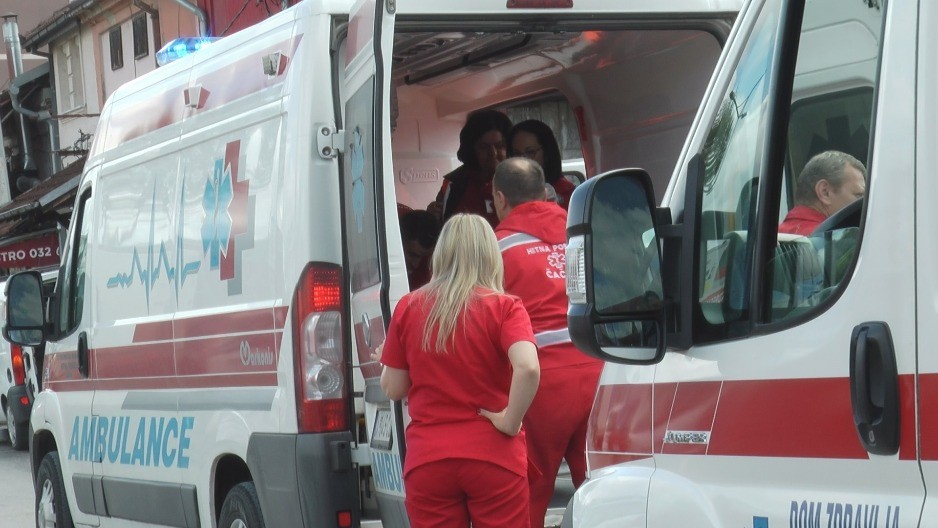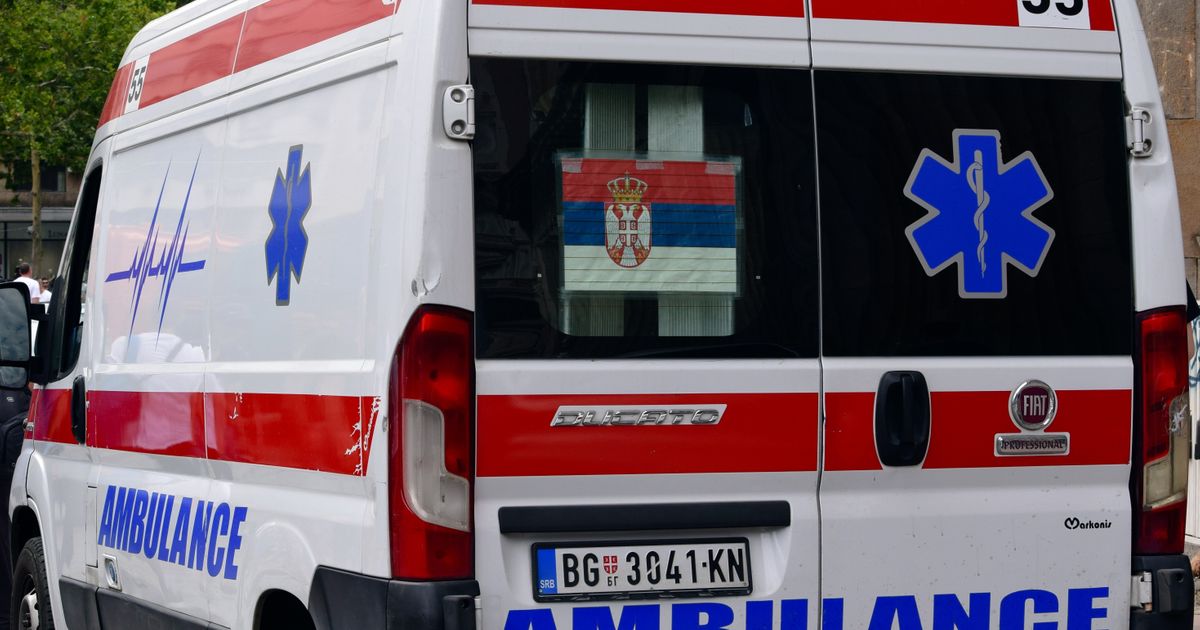



Two minor girls, reportedly aged nine and ten, were hit by a passenger car around midday in New Belgrade, on Dr Ivana Ribara street, while they were on a marked pedestrian crosswalk. Both opposition and pro-government outlets agree that the girls were conscious at the scene, sustained injuries of still-uncertain severity, and were urgently transported by ambulance to the University Children’s Clinic in Tiršova for examinations, while the driver remained at the scene and police launched an investigation into the exact circumstances.
Across the spectrum, media stress that the incident occurred in an urban residential area with heavy traffic and frequent pedestrians, highlighting systemic concerns over pedestrian safety and driver behavior at crosswalks. Coverage commonly references the role of police procedures, medical protocols at Tiršova, and existing traffic regulations that require vehicles to yield to pedestrians at marked crossings, and there is shared acknowledgment that fuller information on liability and the girls’ medical condition depends on ongoing institutional assessments.
Areas of disagreement
Responsibility and blame. Opposition-aligned sources tend to frame the accident as a symptom of broader state failure, emphasizing chronic non-enforcement of traffic laws and implicitly tying responsibility to government-controlled police and inspection bodies. Pro-government outlets present it primarily as an individual driver’s failure to stop at the crosswalk, focusing on the immediate facts of the crash and the formal investigation rather than systemic culpability. Where opposition media are more likely to suggest that government negligence enabled such incidents, pro-government reports keep language neutral and procedural, avoiding explicit attribution of political blame.
Systemic context and reforms. Opposition reporting generally embeds the case in a narrative of long-standing problems with road safety, poor infrastructure, and lack of meaningful reforms, often alluding to previous similar accidents as evidence that authorities have not prioritized pedestrian protection. Pro-government coverage, by contrast, tends to avoid linking this accident to a broader pattern, limiting references to systemic issues and sidelining discussion of whether current traffic policies or recent reforms have been effective. Thus, while opposition media use the accident to question the adequacy of current governance and demand stronger measures, pro-government outlets treat it as a disturbing but isolated event under routine institutional handling.
Portrayal of institutions. Opposition sources are inclined to depict the police, local authorities, and transport institutions as slow, reactive, or subservient to political interests, suggesting that only public pressure forces transparency when children are injured. Pro-government outlets emphasize that the police are on the scene, that an investigation is ongoing, and that medical staff at Tiršova are providing appropriate care, effectively presenting institutions as functioning as intended. This leads opposition media to stress mistrust and calls for independent oversight, while pro-government media underscore procedural normality and institutional professionalism.
Emotional framing and public outrage. Opposition coverage typically amplifies parents’ fears and broader social anger, using emotionally charged language and linking this case to a climate of insecurity for pedestrians, especially children. Pro-government outlets do use dramatic headlines to convey the gravity of the accident but more quickly pivot to factual updates, minimizing overt politicization of public emotions. As a result, opposition media channel outrage toward the ruling structures as part of a larger critique of governance, whereas pro-government media aim to contain outrage within the boundaries of a tragic traffic incident being addressed by competent services.
In summary, opposition coverage tends to turn the accident into a symbol of systemic governance and enforcement failures demanding political accountability, while pro-government coverage tends to present it as a serious but isolated traffic incident being handled through standard institutional channels.
Story coverage