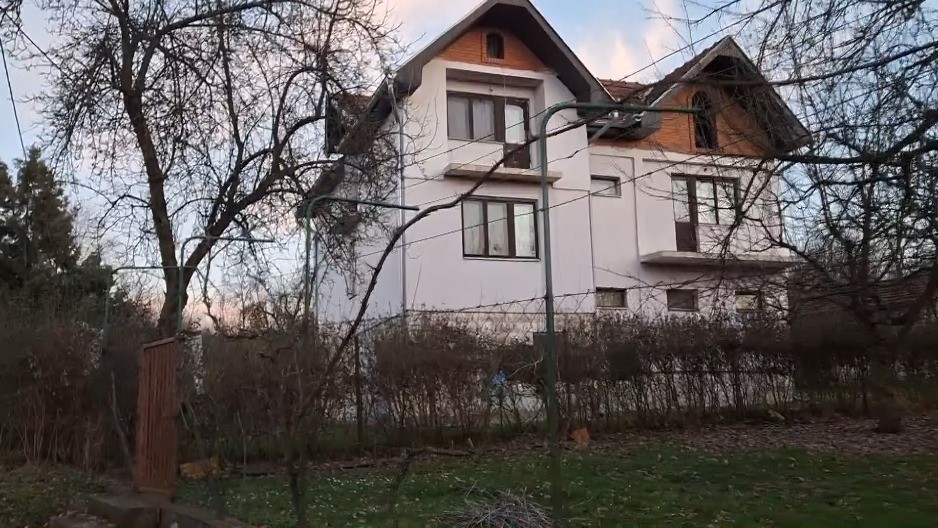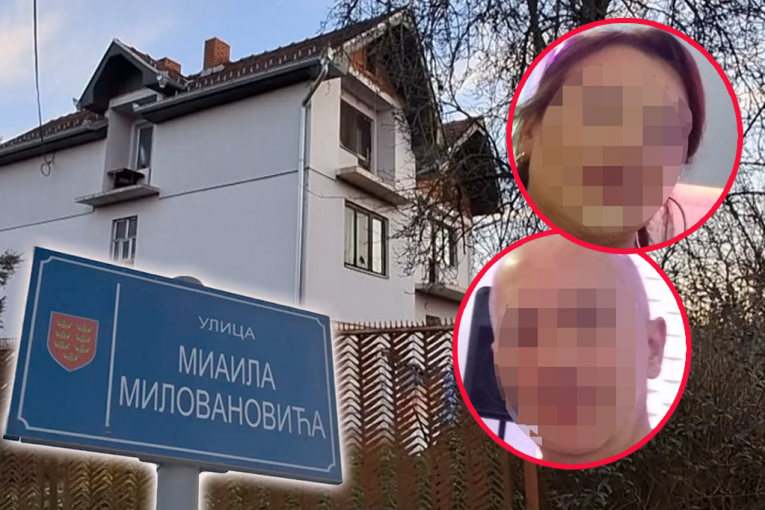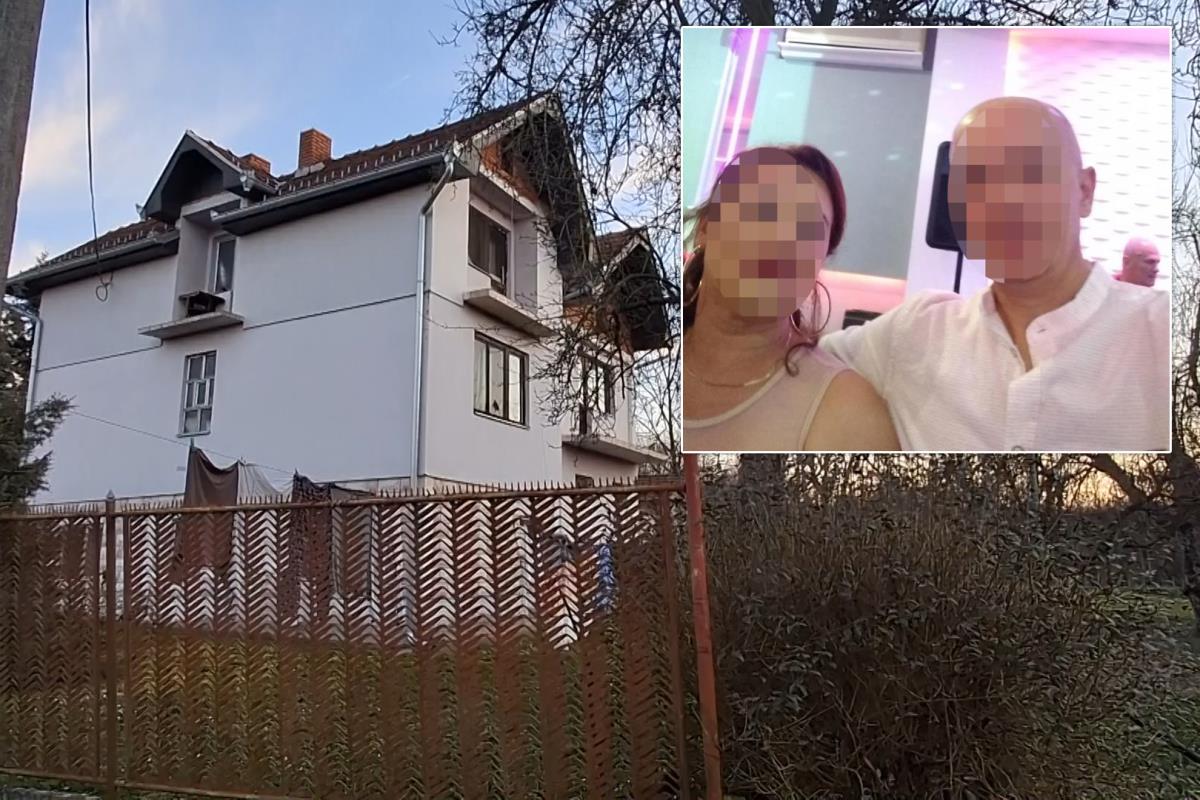



A retired firefighter, identified as 56‑year‑old Toni R., killed his 50‑year‑old wife Jelena with a crossbow in their family home in the Jarčujak settlement near Kraljevo, injured his 79‑year‑old mother Grozdana, and then committed suicide with a hunting rifle. Both opposition and pro‑government outlets agree on the core sequence of events, the ages and identities of those involved, the use of a crossbow against the wife and an attack on the mother, and that the incident occurred in what residents describe as a quiet, previously peaceful neighborhood. They also concur that the mother survived, was hospitalized in severe psychophysical shock, and is the only direct witness, while police and prosecutors have opened an investigation and ordered autopsies to clarify precise causes of death and reconstruct the timeline.
Across the spectrum, coverage presents the tragedy as an extreme, atypical case within an otherwise calm community, emphasizing that neighbors and relatives saw the family as hardworking, harmonious, and without an obvious history of serious conflict or violence. Both opposition and pro‑government media highlight the perpetrator’s background as a firefighter who had previously saved lives, the couple’s two adult sons, and the sense of incomprehension among locals about a possible motive. There is shared reference to standard investigative procedures—crime‑scene work, autopsies, and interviews with neighbors and the surviving mother—as authorities seek to establish whether a heated argument, psychological issues, or difficulties linked to retirement might have played a role, but all sides stress that no definitive cause has yet been officially confirmed.
Areas of disagreement
Framing of the tragedy. Opposition‑aligned outlets tend to frame the murder‑suicide as part of a broader pattern of domestic violence and social despair, using the case to illustrate systemic failures in prevention, mental‑health support, and social services. Pro‑government outlets, by contrast, emphasize the uniqueness and shocking nature of the event, focusing on the “perfect family” image, the peaceful neighborhood, and the perpetrator’s respected career, thereby presenting the crime as an inexplicable aberration rather than symptomatic of wider societal problems.
Responsibility and institutions. Opposition reporting typically stretches the narrative beyond the family home to question institutional responsibility, criticizing law enforcement, social work centers, and health services for lacking effective early‑warning mechanisms and victim‑protection frameworks. Pro‑government coverage largely avoids attributing institutional blame, concentrating instead on procedural details of the investigation and presenting police and prosecutors as promptly doing their jobs, with little or no suggestion that state systems failed before the crime occurred.
Political and societal context. Opposition media are more likely to situate the Kraljevo case within a climate of growing insecurity, citing other recent violent incidents to argue that government policies on public safety, gun control, and social welfare are inadequate. Pro‑government outlets tend to keep the focus narrowly on this family and this neighborhood, steering clear of linking the crime to national governance or policy debates, and thereby minimizing any perception that the event reflects broader political or societal decay.
Narrative about the perpetrator. Opposition sources are more inclined to question the glorifying narrative of a “hero firefighter,” examining potential issues such as post‑retirement stress, unaddressed trauma, or hidden family tensions and using these to argue for better psychological screening and support. Pro‑government outlets lean heavily on neighbor testimonies about Toni’s professionalism, quiet demeanor, and life‑saving career, underscoring the contrast between his public image and the crime, and treating possible retirement or psychological problems as individual misfortune rather than as a policy‑relevant concern.
In summary, opposition coverage tends to embed the Kraljevo murder‑suicide in a narrative of systemic domestic‑violence, institutional failure, and broader social malaise, while pro‑government coverage tends to treat it as a shocking but isolated family tragedy that should not be read as an indictment of state policy or institutions.
Story coverage