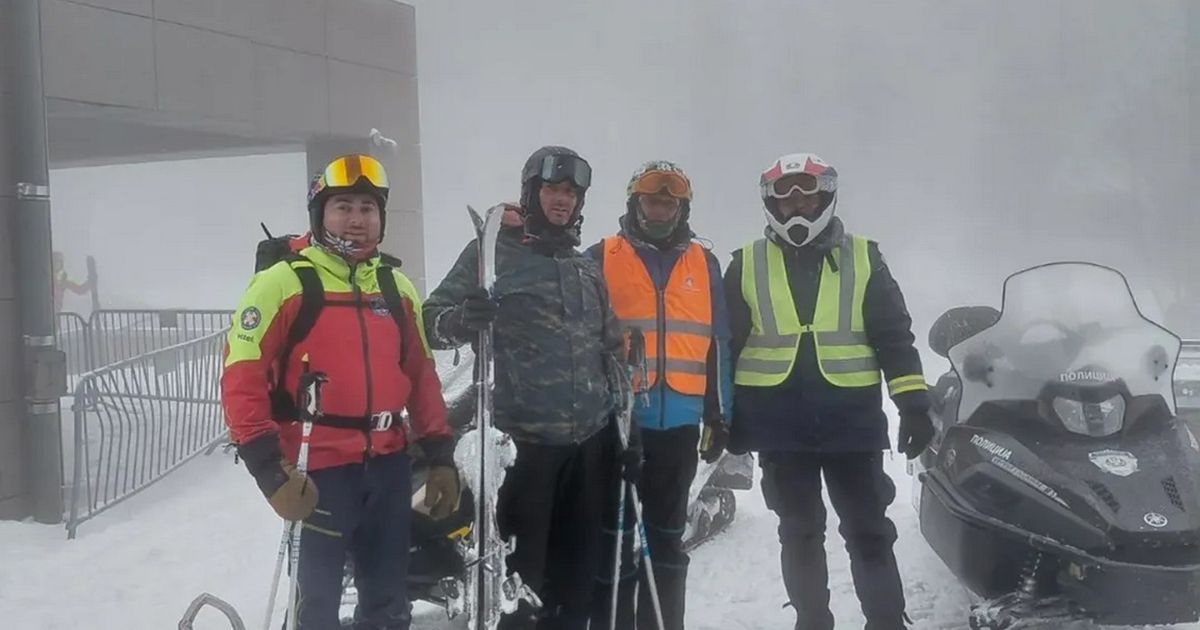

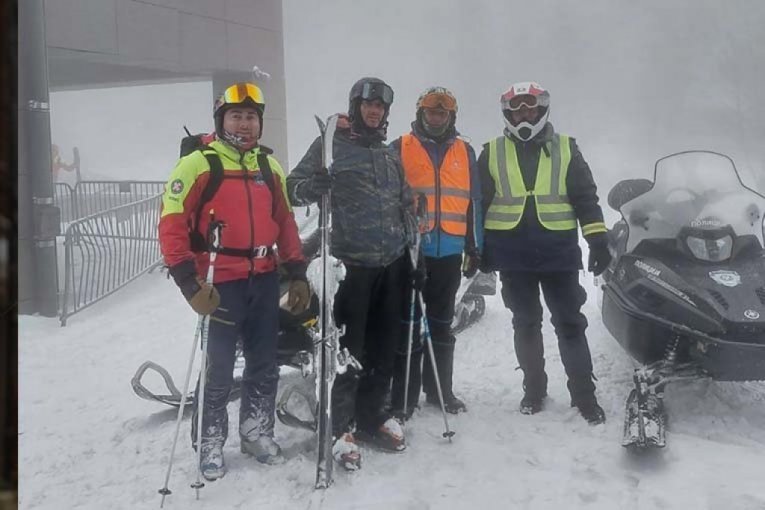
Two male skiers were rescued on Stara Planina after getting lost in dense fog and low visibility while skiing off or away from the main area of the mountain. Both opposition and pro-government outlets report that the incident occurred during poor weather conditions, that the men were located alive and without injuries, and that they were evacuated to safety the same day. Coverage agrees that the rescue involved coordinated efforts by the police and the Mountain Rescue Service, and that the Ministry of Internal Affairs later communicated information about the case. All sides concur that the episode unfolded as a dramatic but ultimately successful rescue operation, without further casualties or damage.
Across the spectrum, media note that the Ministry of Internal Affairs used the case to reiterate safety recommendations for winter sports enthusiasts, emphasizing that skiers should stay on marked trails and monitor weather forecasts. Both opposition and pro-government outlets describe Stara Planina as a popular but potentially dangerous mountain terrain where sudden changes in visibility and conditions can quickly disorient even experienced skiers. They agree that this rescue highlights the importance of prompt coordination between police structures and specialized mountain rescue units. There is shared acknowledgment that existing institutions and protocols for mountain rescues are functional and can respond quickly when alerted.
Areas of disagreement
Framing of state competence. Opposition-aligned sources tend to present the rescue as routine work by professional services, sometimes hinting that such incidents expose broader gaps in prevention, signage, or infrastructure on Stara Planina. Pro-government outlets instead spotlight the operation as proof of the efficiency and readiness of state institutions, with headlines stressing drama and swift, life‑saving action. Where opposition narratives may briefly note systemic weaknesses or underinvestment, pro-government coverage stresses speed, coordination, and success, portraying the state as fully capable and responsive.
Use of political credit. Opposition outlets, when they mention politics at all, typically keep the focus on frontline rescuers and depoliticize the event, avoiding giving explicit credit to the current government. Pro-government media more explicitly tie the success of the operation to the Ministry of Internal Affairs and the current leadership, often foregrounding official statements and positioning the rescue as a validation of government reforms or management. Thus, opposition coverage minimizes political capitalization of the event, while pro-government coverage uses it as an opportunity to showcase governing competence.
Tone toward risk and responsibility. Opposition reporting is more likely to frame the skiers as victims of a combination of personal misjudgment and systemic shortcomings such as insufficient warnings, signage, or organized information about dangerous weather. Pro-government outlets put comparatively greater emphasis on individual responsibility, highlighting the ministry’s call to stay on marked trails and follow weather advisories, and implicitly suggesting that adherence to official guidance would mitigate such incidents. The former leans toward questioning whether authorities do enough to prevent risk, while the latter stresses citizens’ duty to heed existing rules and advice.
Depth of critical context. Opposition-aligned media are more inclined to situate the incident within a broader discussion of public safety policy, the state of mountain infrastructure, and possible underfunding or politicization of rescue services. Pro-government outlets generally keep the narrative narrower and more event-focused, offering limited critical context and instead underscoring operational success, heroic rescuers, and clear ministerial communication. As a result, opposition coverage occasionally uses the incident to open debates about governance quality, whereas pro-government coverage largely avoids critical scrutiny and concentrates on a positive, closed‑loop story.
In summary, opposition coverage tends to treat the Stara Planina rescue as a routine but instructive incident that can expose systemic shortcomings and raise questions about prevention and investment, while pro-government coverage tends to frame it as a dramatic example of the efficiency, responsibility, and success of state institutions and current leadership.