
.jpg)
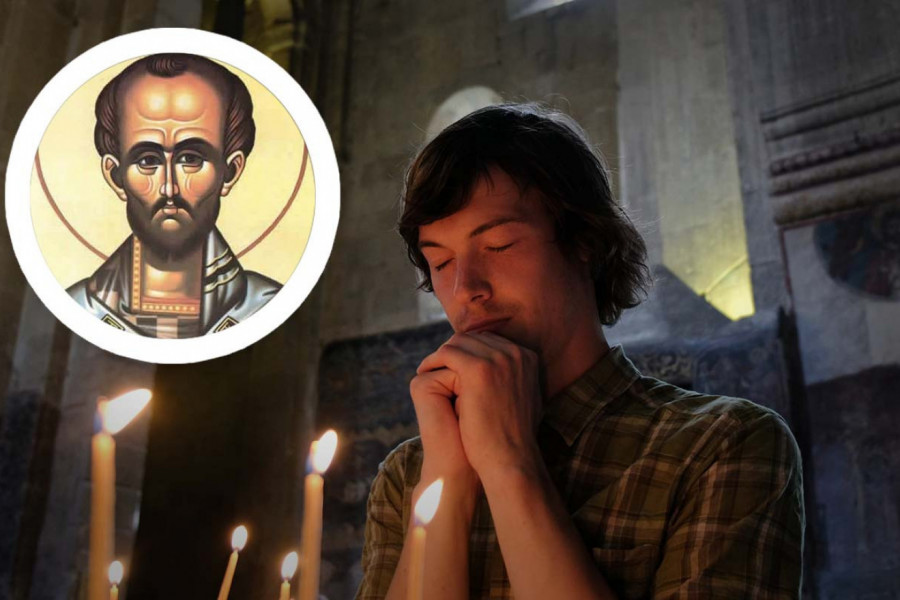
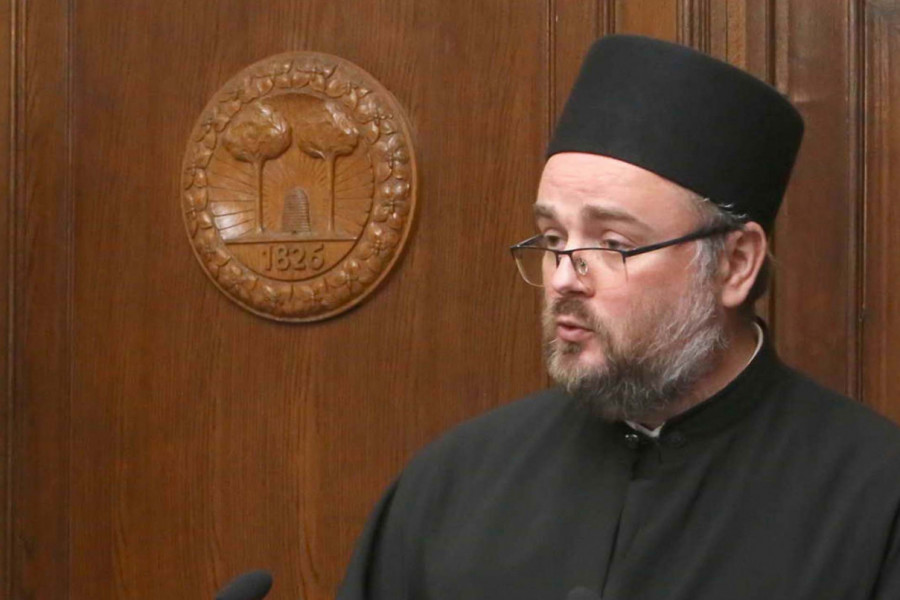
Orthodox and broader Serbian media agree that Orthodox Christians are beginning Great Lent (the Easter fast) on February 23, marking the start of a roughly seven‑week period leading up to Easter in mid‑April, with the first days described as the strictest in terms of fasting discipline. Coverage consistently notes that this period traditionally involves abstinence from meat and other animal products, intensified prayer, and a focus on forgiveness and repentance, with references to guidance from contemporary church leaders and revered figures such as Patriarch Pavle, Father Tadej, and parish clergy.
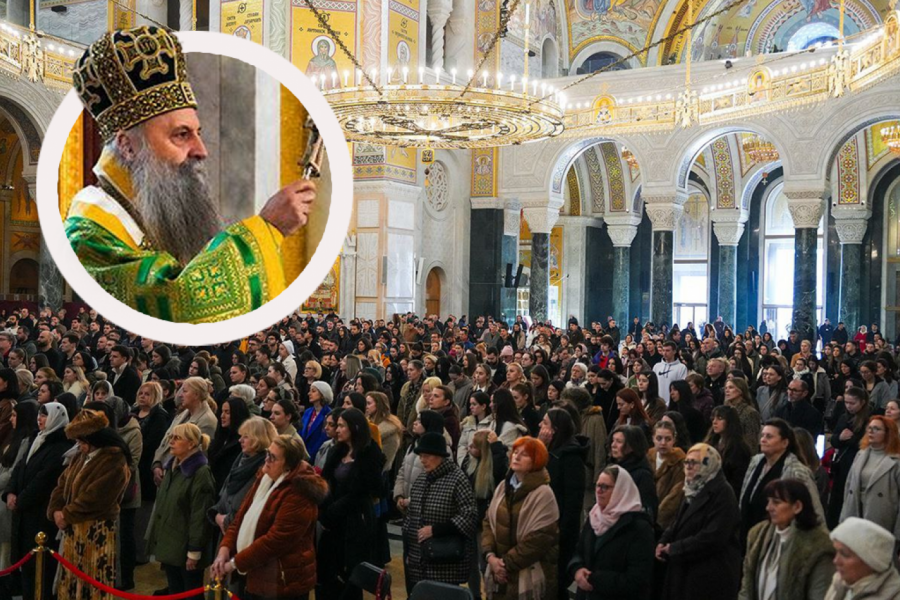
Across outlets, Great Lent is framed as a time of spiritual preparation rather than a merely dietary regime, with repeated emphasis on inner transformation, humility, and reconciliation with others as central aims of the fast. Media on both sides underscore the role of the Serbian Orthodox Church and its patriarch as the key institutional reference, stress the auxiliary character of formal rules compared with the goal of communion with God and neighbor, and highlight that believers who cannot keep the full food fast for health reasons are encouraged to compensate through prayer, charity, and other spiritual practices.
Areas of disagreement
Emphasis and framing. Opposition‑aligned sources tend to situate the start of Lent within broader social and political realities, using the religious calendar as a backdrop for reflections on hardship, inequality, or moral decay in public life. Pro‑government outlets, by contrast, frame the fast primarily as a devotional and pastoral event, focusing on piety, guidance from church hierarchs, and individual spiritual improvement without linking it to political critique or systemic issues.
Role of church and state. Opposition reporting is more likely to raise questions about the close relationship between church leadership and state authorities, implicitly or explicitly questioning whether official religious messaging during Lent reinforces the government’s moral legitimacy. Pro‑government media present the church as a unifying moral authority above politics, amplifying patriarchal messages on forgiveness and community as harmoniously aligned with national cohesion and state stability.
Social and ethical implications. Opposition outlets often use Lent as an occasion to highlight perceived hypocrisy in public life, contrasting calls for repentance and forgiveness with corruption, injustice, or lack of social empathy they attribute to the ruling elite. Pro‑government coverage stresses personal ethics and inner struggle, emphasizing that the “chain of evil” to be broken is primarily within each believer’s heart, and avoids connecting Lenten themes to critiques of current governance.
Targeted guidance and audience. Opposition‑leaning media, where they address Lent directly, are more inclined to present it in pluralistic terms, acknowledging diverse levels of belief and practice and sometimes treating strict rules as a matter of private conscience. Pro‑government outlets invest heavily in prescriptive guidance—detailed fasting rules, recommended prayers, and instructions for those with health exemptions—aimed at a mass audience of traditional believers and reinforcing a shared Orthodox cultural identity.
In summary, opposition coverage tends to treat the beginning of Orthodox Lent as a religious milestone embedded in a contested social and political landscape, while pro-government coverage tends to emphasize apolitical spiritual discipline, pastoral guidance, and the church’s role in fostering unity and moral renewal.
.png)