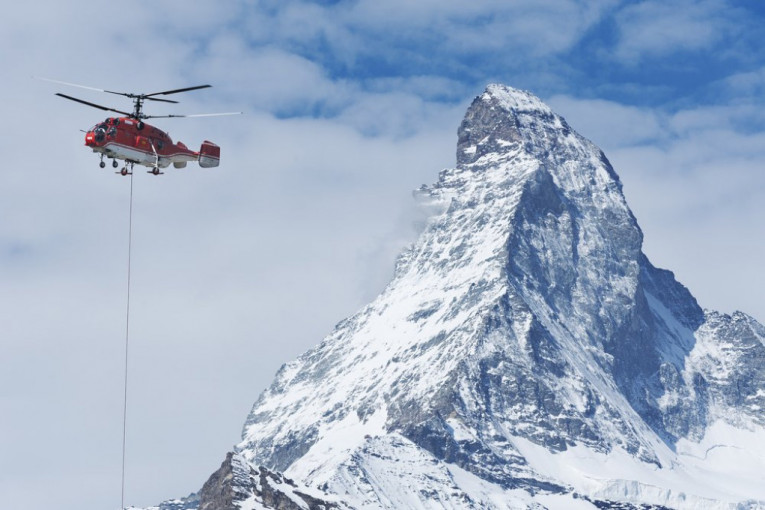



The outlets broadly agree that the body of Montenegrin mountaineer Ćazim Fetahović was found on Mount Hajla after he went missing during a climb near the summit. They report that he is believed to have fallen through or into a deep snowdrift or icy overhang formed near the top of the mountain, and that other climbers in his group narrowly avoided a similar fate thanks to the use of ice axes. Coverage converges on the basic sequence: disappearance during ascent, search initiated the same night or shortly afterward, multi-hour or multi-day search operation, eventual discovery of his remains, and confirmation that the town of Rožaje and the wider mountaineering community were left in shock.
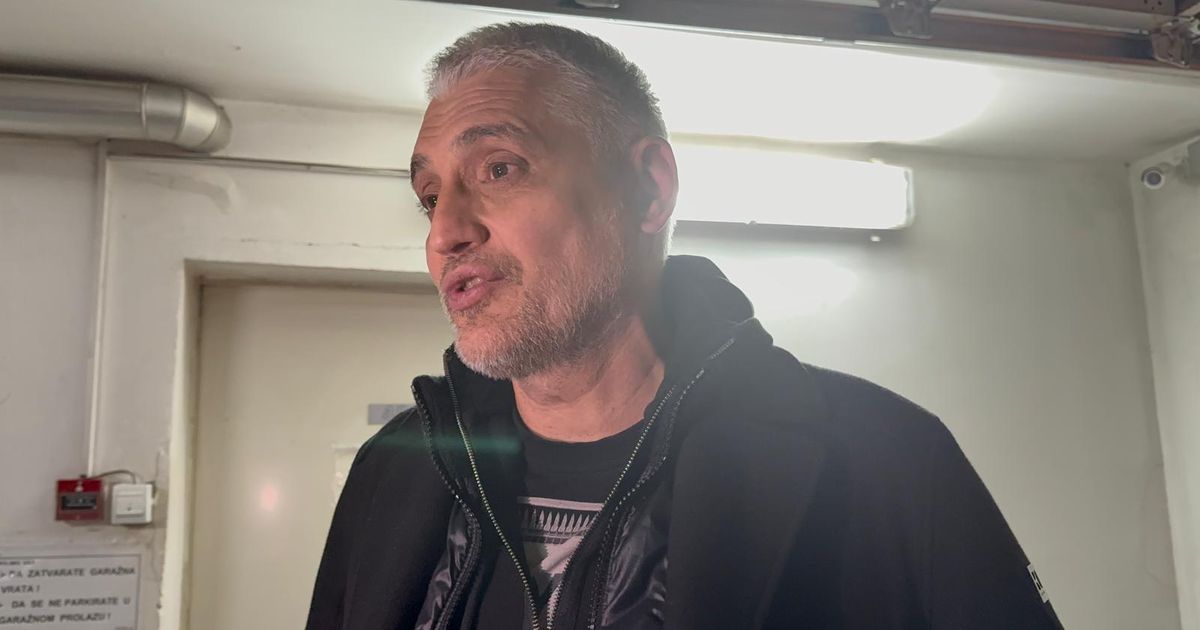
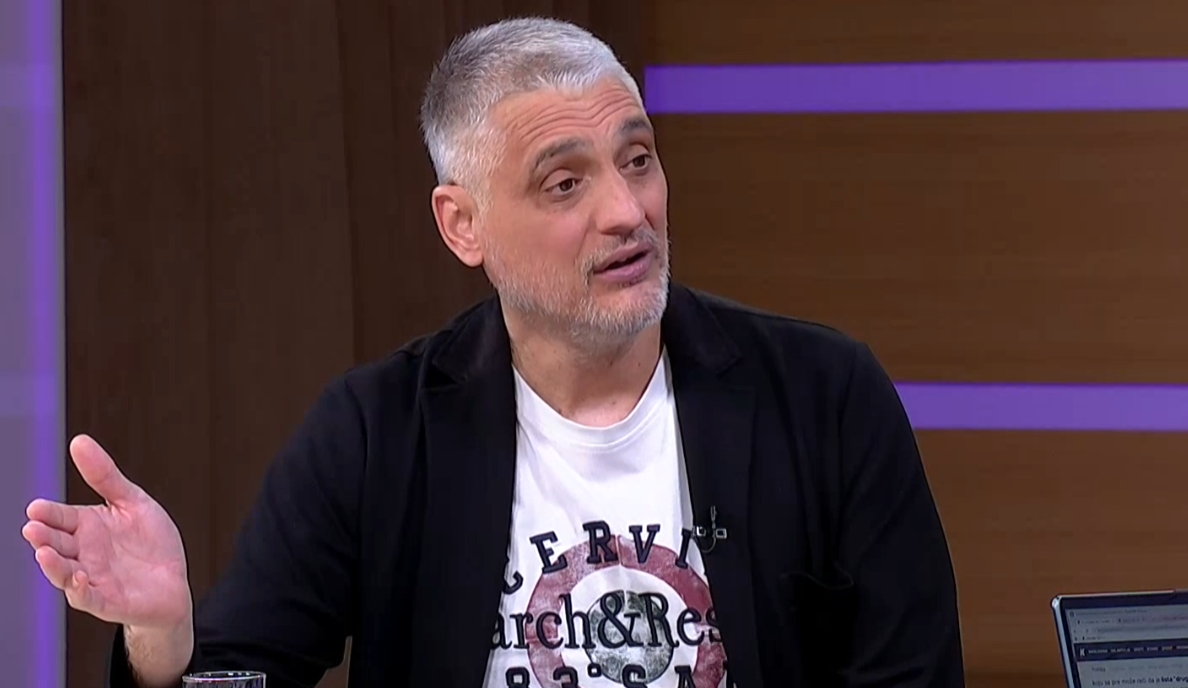
Reports also align in portraying Fetahović as a well-known or prominent Montenegrin mountaineer with significant experience in the mountains and close ties to Rožaje. They describe the search as a coordinated effort involving rescue services operating under harsh winter conditions, with strong winds and deep, unstable snow complicating the operation. Articles emphasize the emotional reactions from friends and public figures, particularly Serbian politician Čedomir Jovanović, who publicly mourned Fetahović through statements, photos, and even song shared on social media. Across outlets, the context is one of a tragic mountaineering accident shaped by dangerous winter conditions on Hajla rather than by any clear criminal act or deliberate negligence.
Areas of disagreement
Framing of the tragedy. Opposition-aligned sources are likely to frame the incident more soberly as a systemic safety failure in mountain rescue preparedness and risk management, suggesting that the tragedy illustrates recurring institutional gaps. Pro-government outlets instead highlight the drama and personal grief, focusing heavily on Fetahović’s friendship with Čedomir Jovanović, emotional Instagram posts, and the shock in Rožaje, treating it mainly as a personal and communal loss. While opposition narratives would tend to connect the accident to broader governance or infrastructure issues, pro-government coverage largely presents it as an unforeseeable natural hazard in extreme conditions.
Institutional performance and responsibility. Opposition media would be expected to scrutinize the speed, equipment, and coordination of rescue services, asking whether better state support, training, or early-warning systems could have prevented the death or hastened the search. Pro-government outlets, by contrast, depict the rescuers and services as operating heroically in severe weather, mentioning multiple involved services and the difficulty posed by wind and accumulated snow as exculpatory context. Where opposition voices might imply state underinvestment and call for reforms in mountain safety and rescue infrastructure, pro-government narratives tend to praise the existing institutions and avoid suggesting any direct state culpability.
Political and social angle. Opposition-aligned sources are likely to downplay the celebrity aspect of Čedomir Jovanović’s grief or treat it as secondary, instead emphasizing Fetahović’s standing in the local mountaineering community and the need for policy responses. Pro-government coverage, however, foregrounds Jovanović’s emotional reactions, repeated references to him as a prominent politician, and the virality of his tributes, using his profile to humanize the story and draw audience attention. This leads to a more personalized, personality-driven narrative on the pro-government side, while opposition outlets would more often situate the event within broader social and safety debates.
Future lessons and reforms. Opposition coverage is inclined to use the case to argue for clearer regulations on winter mountaineering, better-marked and secured trails on Hajla, and stronger cross-border or regional rescue cooperation, implying that lessons are not being learned from past accidents. Pro-government outlets, by comparison, focus minimally on prospective reforms, treating the event as a rare, tragic misfortune that primarily calls for mourning rather than policy change, and any mention of future steps tends to be general and non-critical. Thus, opposition-leaning narratives would treat the tragedy as a catalyst for demanding change, whereas pro-government narratives mostly close the story with emotional closure and praise for those involved in the search.
In summary, opposition coverage tends to treat Fetahović’s death as a tragic but politically relevant example of systemic shortcomings and needed reforms, while pro-government coverage tends to emphasize personal grief, the dramatic conditions of the accident, and the commendable efforts of rescuers without challenging state institutions.
Story coverage
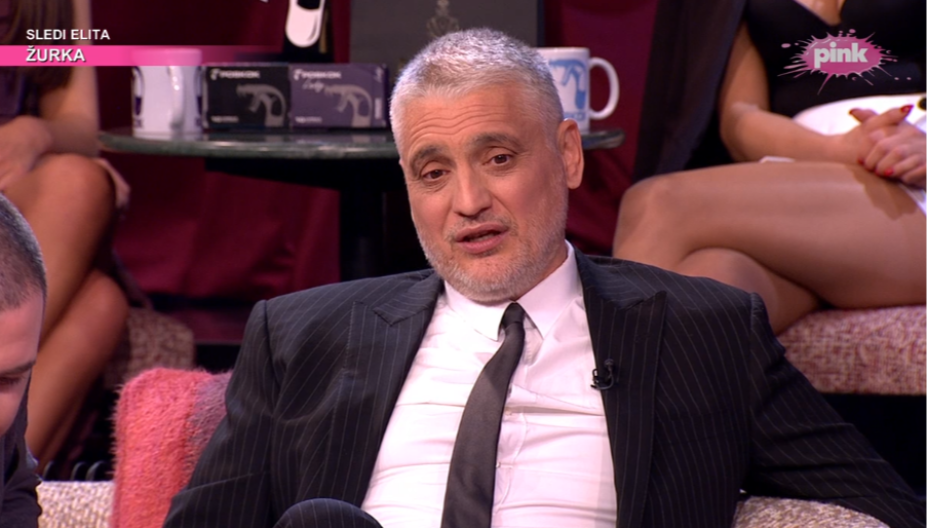
pro-government
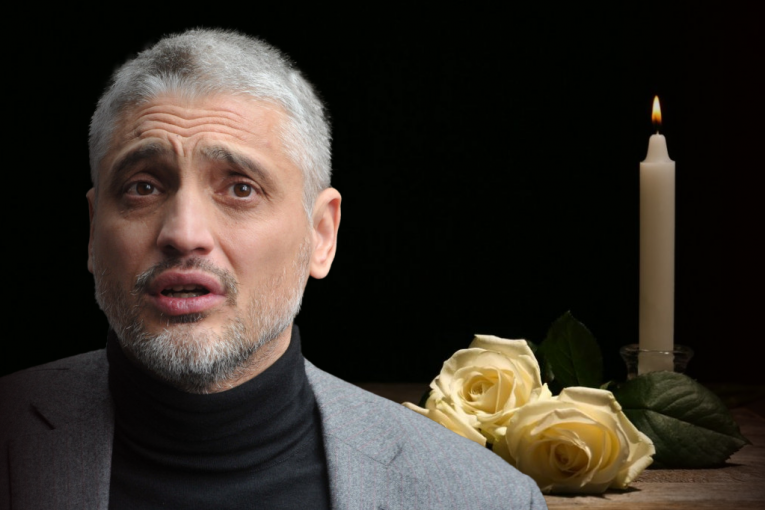
ČEDA JOVANOVIĆ BROKEN BY DEATH Through song expressed his pain! (PHOTO)
They were friends!
a month ago