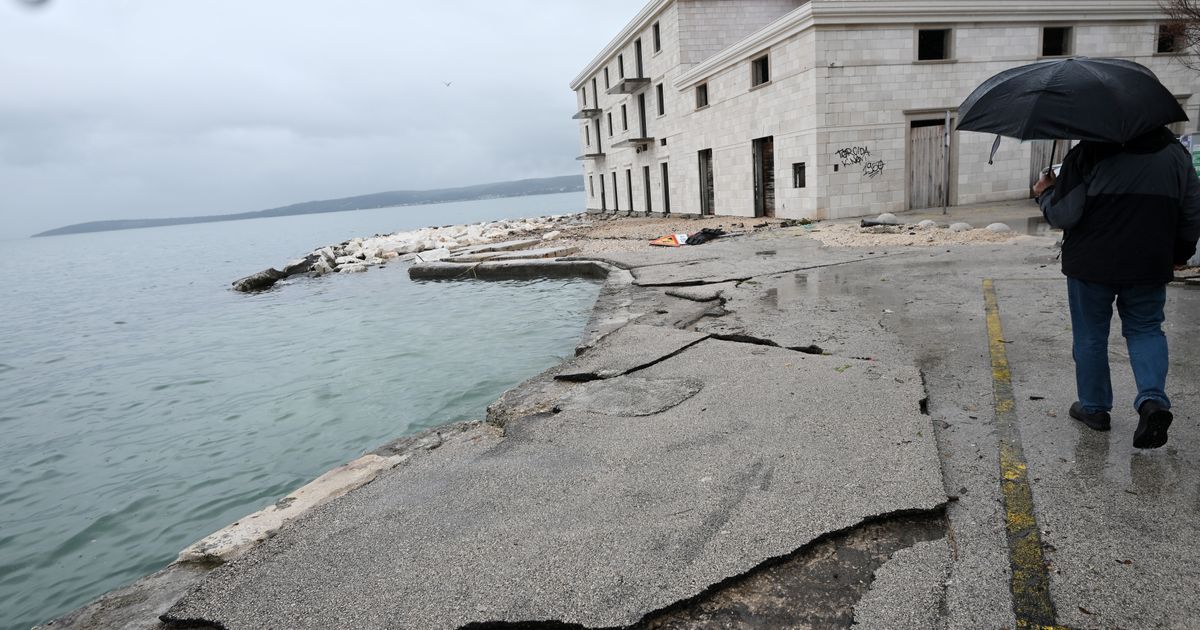
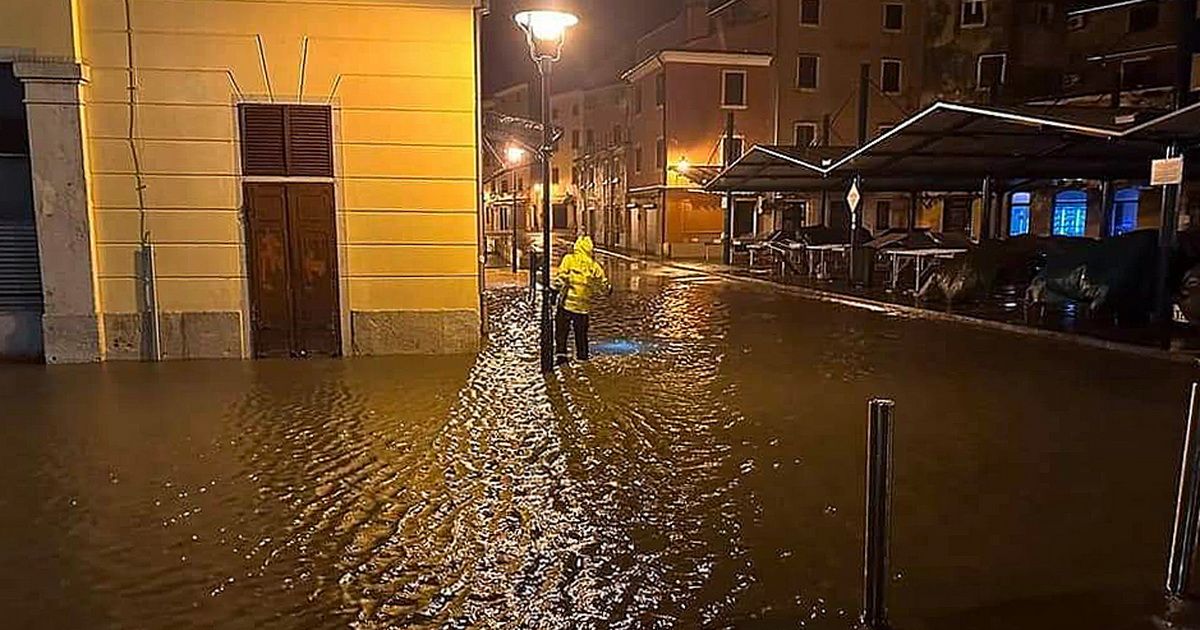
Severe weather linked to a strong cyclone has caused significant sea flooding along parts of the Dalmatian coast in Croatia, with both opposition and pro-government outlets agreeing on the main contours of the event: unusually high sea levels poured into coastal streets and homes, particularly in towns such as Kaštela, Trogir, Šibenik, Zadar, and Omiš. Reporting across the spectrum notes that many residents endured a sleepless night as water surged into ground floors and garages, ferry and maritime services were disrupted or suspended due to powerful winds, and emergency services were deployed to assist affected communities and safeguard life and property, amid warnings that conditions could worsen overnight.
Across both camps, coverage situates the flooding within the broader pattern of Adriatic storms and seasonal cyclones that periodically batter the Croatian coast, emphasizing the role of low-pressure systems, storm surges, and strong winds in driving sea water onto promenades and into urban areas. Outlets on both sides reference local and national institutions such as civil protection services, municipal authorities, and port authorities as the primary responders, and they broadly agree that existing coastal infrastructure and town layouts—developed long before current climate and urbanization pressures—remain structurally vulnerable to extreme weather episodes that are becoming more frequent and intense.
Points of Contention
Responsibility and preparedness. Opposition-aligned reporting tends to frame the flooding as evidence of chronic underinvestment in coastal defenses, drainage, and urban planning, arguing that authorities knew about rising risks but failed to reinforce infrastructure and emergency plans. Pro-government outlets, by contrast, emphasize the exceptional nature of the cyclone and depict the inundation as an unavoidable natural disaster rather than a governance failure, highlighting how quickly emergency teams were mobilized. While opposition voices dwell on past warnings and unfulfilled promises of adaptation projects, pro-government coverage stresses the scale of the storm and presents the state’s readiness as broadly adequate under the circumstances.
Government performance and response. Opposition coverage typically scrutinizes the speed and coordination of local and national authorities, suggesting that residents were left to fend for themselves in the first crucial hours and that communication about evacuations or safety measures was fragmented. Pro-government media foreground images and testimonies of firefighters, civil protection units, and municipal teams working overnight, presenting them as proof of an efficient and compassionate state response. Where opposition outlets stress gaps such as limited temporary shelters, insufficient pumps, and ad hoc volunteer efforts, pro-government narratives stress solidarity, rapid deployment of resources, and officials’ on-site presence as indicators of competent crisis management.
Long-term climate and policy framing. Opposition sources more often link the Dalmatian flooding to climate change and longer-term environmental mismanagement, arguing that national development policy continues to favor short-term construction and tourism projects over resilient planning and coastal protection. Pro-government coverage tends to mention climate factors in general terms, if at all, and instead frames the event as part of a recurring pattern of Adriatic storms to be handled through existing civil protection mechanisms rather than sweeping policy reform. This leads opposition outlets to press for structural reforms, updated building codes, and transparent funding for adaptation, while pro-government outlets foreground ongoing projects or studies and portray current strategies as fundamentally on the right track.
In summary, opposition coverage tends to use the flooding as a lens to question state preparedness, infrastructure policy, and climate adaptation commitments, while pro-government coverage tends to portray it primarily as an extreme but manageable natural disaster that validates, rather than undermines, the competence of existing institutions and emergency services.