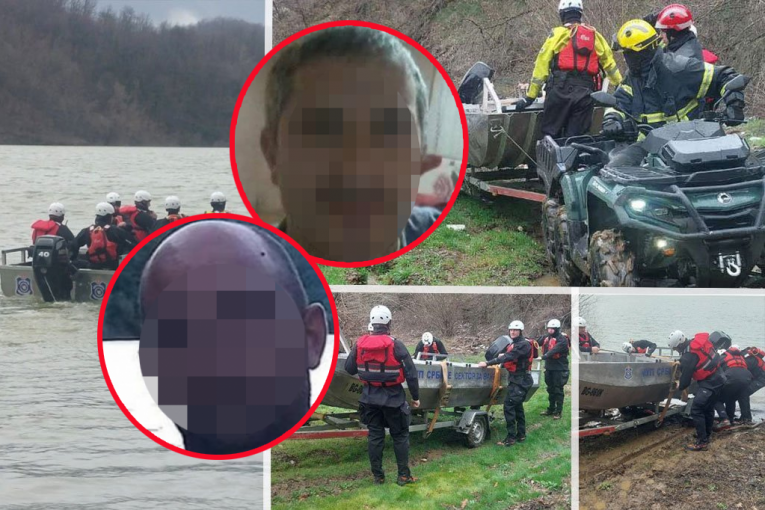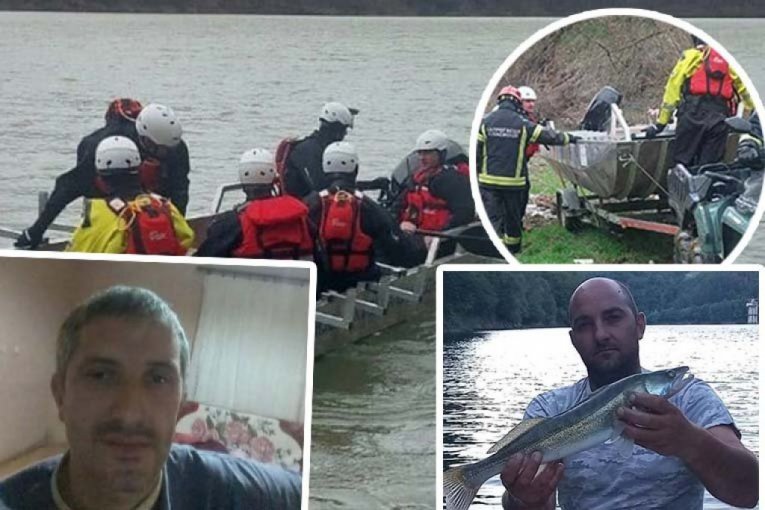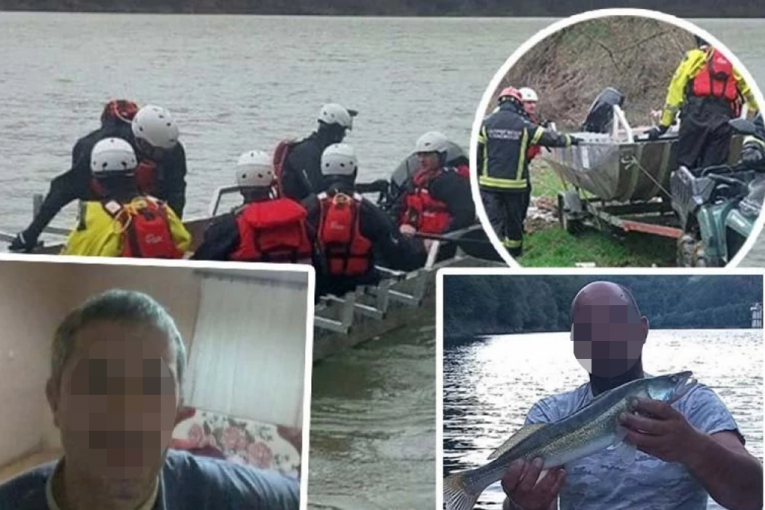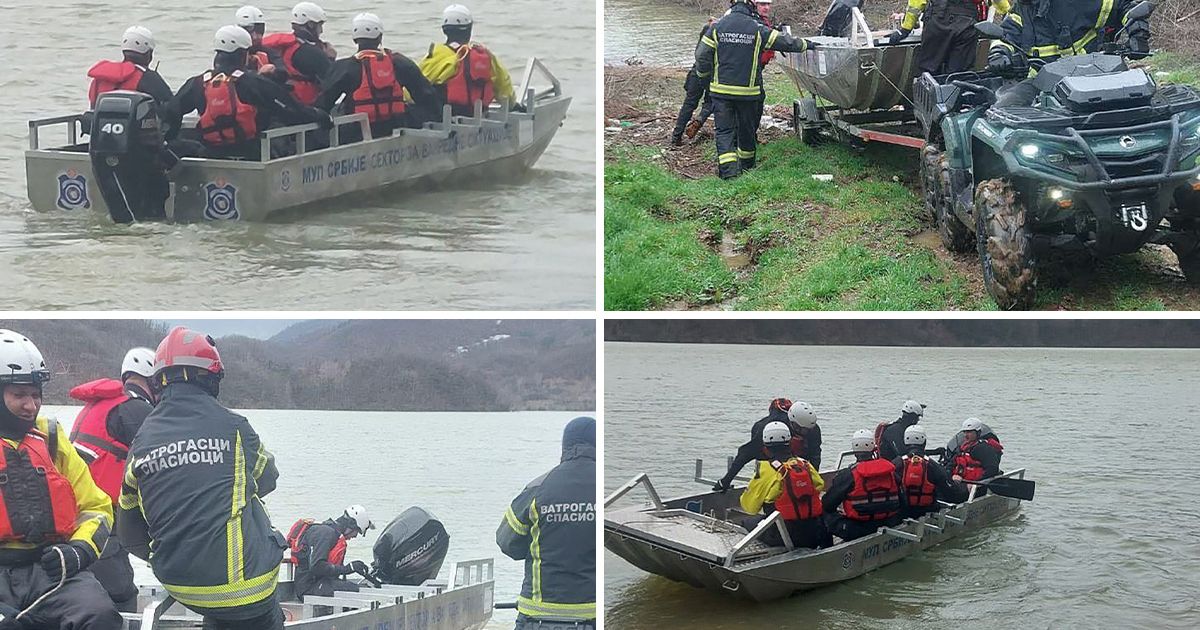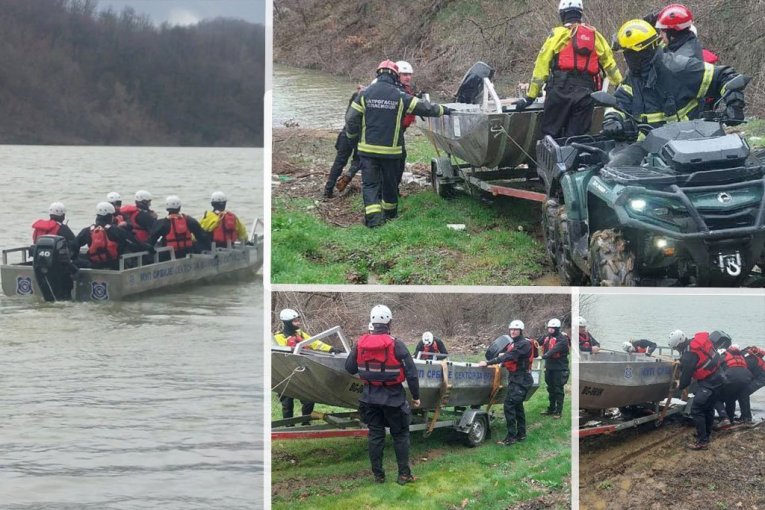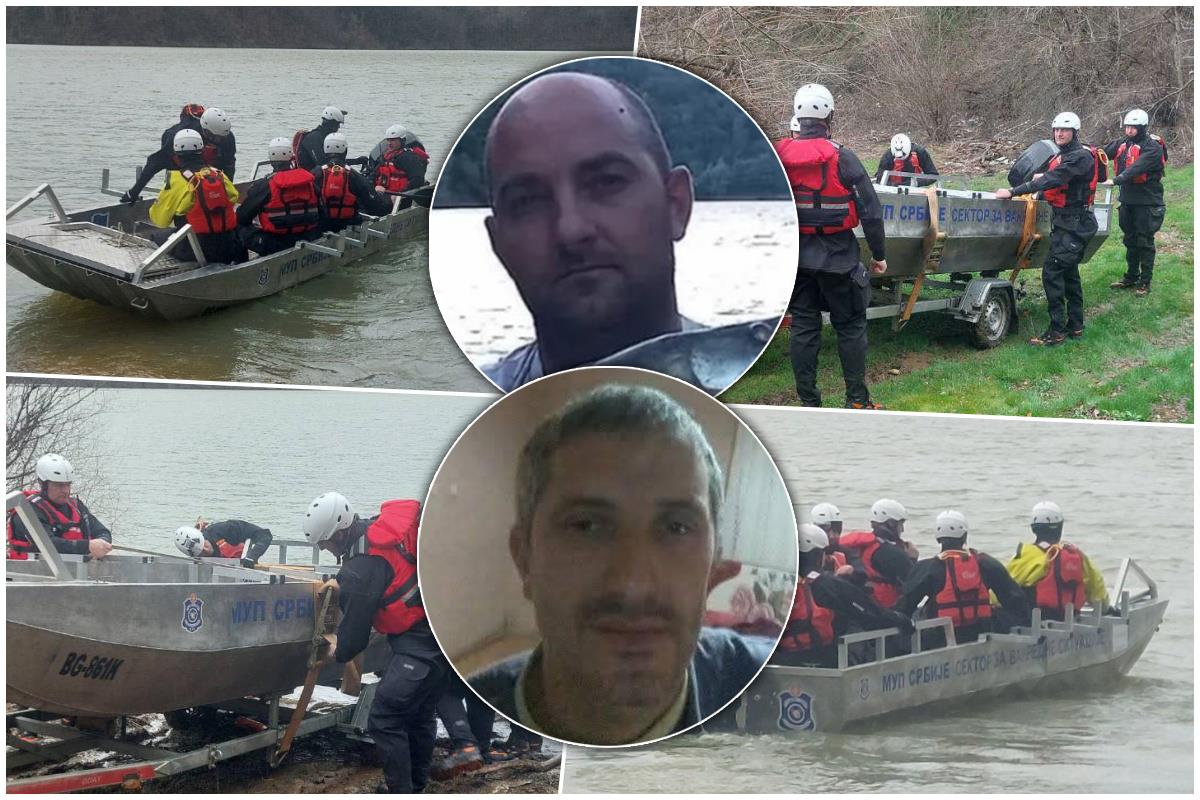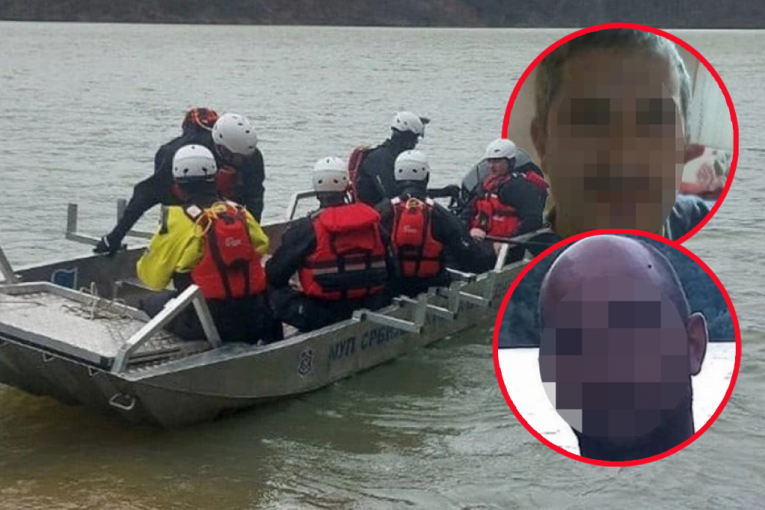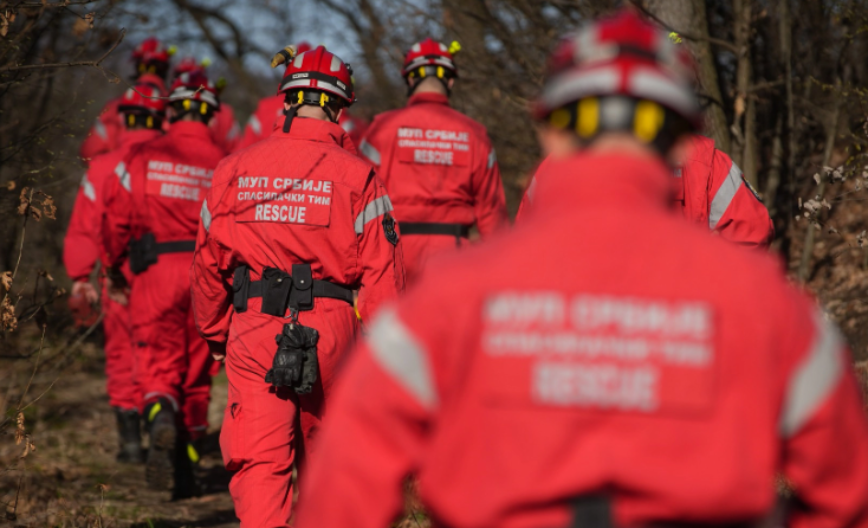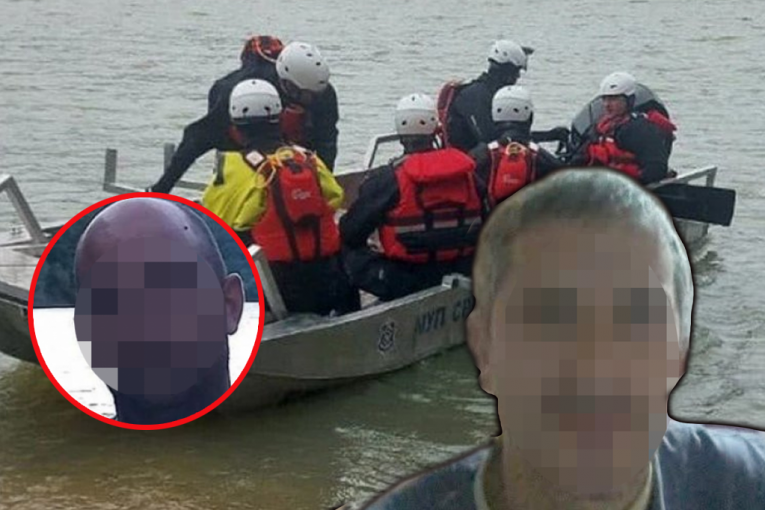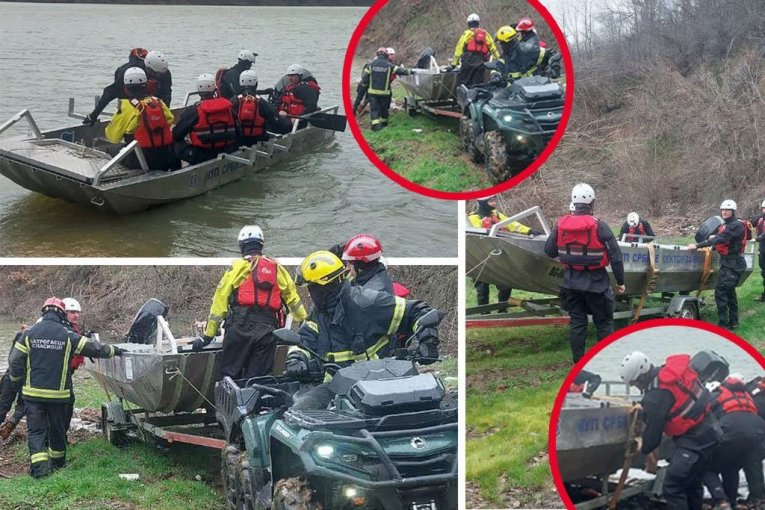


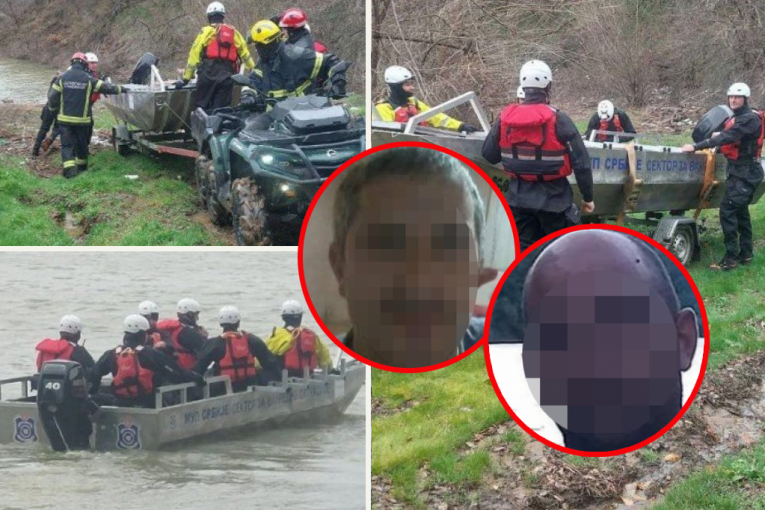
Two men, identified as 38‑year‑old Stefan Krstić and 47‑year‑old Slaviša Antić from the Leskovac area, have been missing for days in the vicinity of Lake Barje in southern Serbia. They were last known to have gone to a weekend cottage near the lake, after which all contact with their families ceased and their phones reportedly went silent, prompting relatives to report them missing. Since Thursday around 4 p.m., an extensive search has been underway involving firefighters‑rescuers, police, specialized water‑rescue teams with sonar and boats, and local residents combing difficult and partly inaccessible terrain around Crcavac village, the river, and the lake surface itself. Media from across the spectrum agree there is still no concrete trace of the men, that weather and terrain have complicated the search, that darkness and snowfall led to at least one suspension of operations overnight, and that a new organized search has been repeatedly scheduled for subsequent days.
Coverage also converges on broader contextual elements: the men are described as experienced fishermen who knew the lake well, increasing fears that any accident would likely have involved their boat and recent bad weather conditions. Reports highlight the involvement of formal institutions such as police, firefighting and rescue units, and a specialized Water Work and Rescue Team equipped with vehicles and an aluminum rescue boat, indicating a coordinated official response supported by local volunteers. Both opposition and pro‑government narratives, where available, note strong emotional reactions among family members, friends, and villagers, emphasizing anxiety, fear, and a sense of unfolding drama as time passes without new findings. They also acknowledge that, despite the lack of confirmed evidence, the passage of more than 24 hours and then several days without a trace has led many involved to quietly fear a tragic outcome, even as hope is publicly maintained and appeals for community assistance with boats, sonar, and life jackets continue.
Points of Contention
Tone and framing of the search. Opposition‑aligned outlets tend to stress the open‑ended, uncertain nature of the operation, often framing it as a prolonged drama that exposes systemic weaknesses and delays, and emphasizing how many hours or days have passed without results. Pro‑government outlets, by contrast, highlight the intensity and professionalism of the search, underscoring continuous engagement by official services, technical capabilities like sonar, and the message that everything possible is being done. Where opposition coverage may underscore the emotional strain and frustration of families as a sign that the response is inadequate, pro‑government pieces foreground their hope that the case will end positively and portray the search as a model of mobilized state resources.
Role and effectiveness of state institutions. Opposition media are more likely to question whether the police, rescue units, and local authorities responded quickly enough and with sufficient coordination, sometimes implying that gaps in preparedness or equipment may have hindered the operation. Pro‑government reporting presents these same institutions as central protagonists, listing the number of rescuers, vehicles, and specialized teams to demonstrate capacity and resolve. While opposition narratives may focus on what is missing—such as advanced technology, better lighting, or more personnel—pro‑government narratives focus on what has been deployed, turning institutional presence into evidence that the system is functioning properly.
Speculation about causes and safety conditions. Opposition‑aligned sources, where they speculate at all, tend to link the mystery of the disappearance to broader concerns about safety at lakes, oversight of fishing and boating, and the potential neglect of infrastructure in the region, sometimes hinting that poor safety standards could have contributed. Pro‑government outlets lean into the personal angle—describing the men as experienced fishermen who knew the lake “like the back of their hand”—and frame the situation as a tragic and baffling incident rather than a symptom of regulatory failure. In doing so, opposition coverage nudges readers toward structural explanations and possible official accountability, whereas pro‑government coverage emphasizes the exceptional, almost inexplicable character of the event.
Use of emotion and public appeals. Opposition coverage tends to foreground despair, fear, and anger among relatives and locals, sometimes using these emotions to question whether the authorities are doing enough or to demand clearer communication and accountability. Pro‑government outlets highlight emotional testimonies too, but they are often woven into narratives of communal solidarity and support for the official search, culminating in appeals for locals with boats and sonar to join a nationally framed rescue effort. Thus, opposition narratives may use emotion to amplify grievance and skepticism, while pro‑government narratives use it to foster unity around the ongoing institutional response.
In summary, opposition coverage tends to use the disappearance at Lake Barje to raise questions about state preparedness, structural safety issues, and the adequacy of the search, while pro-government coverage tends to emphasize the scale, professionalism, and unity of the official and local response, framing the incident as a tragic but exceptional drama rather than evidence of systemic failure.
Story coverage