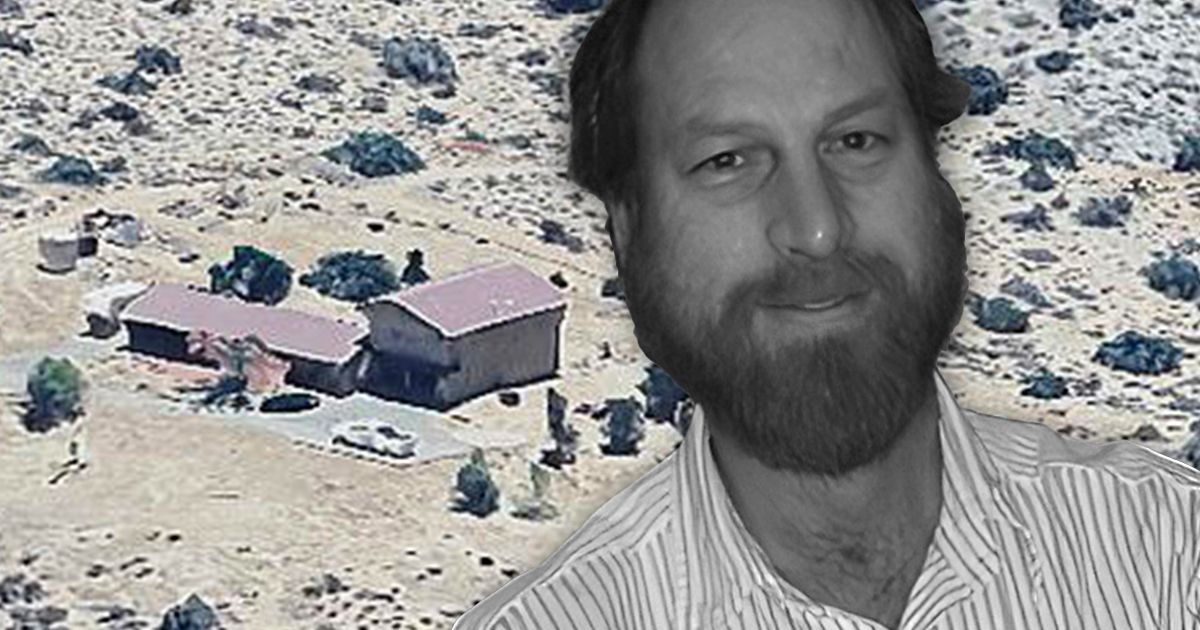

Astrophysicist Karl Grillmeyer, a prominent researcher known for work on the Milky Way and the discovery of water on a distant planet suggesting possible conditions for life, was shot and killed outside his home in California. Across outlets, reports agree that he was found dead from gunshot wounds near or in front of his residence, and that California authorities quickly identified and detained a suspect, 29‑year‑old Freddie Snyder, who faces accusations including murder and car theft while investigators continue to probe the circumstances of the attack.
Coverage also converges on the basic scientific and institutional context: Grillmeyer is consistently described as a highly respected astrophysicist whose research helped identify water on a remote exoplanet, thereby bolstering arguments that life could be possible beyond Earth. Both sides note that the crime occurred in the United States, emphasize that the motive remains officially unknown, and treat the case as an intersection of cutting‑edge space science with a violent street‑level crime that stunned colleagues and the broader scientific community.
Points of Contention
Framing of the crime. Opposition‑aligned outlets tend to present the killing as a tragic but fundamentally conventional violent crime in the United States, emphasizing investigative procedure, local crime conditions, and the absence of confirmed links to Grillmeyer’s research. Pro‑government outlets, by contrast, highlight the sensational angle that a scientist who “discovered life is possible on another planet” was then “liquidated,” using language that hints at intrigue and elevates the incident beyond an ordinary homicide. Where opposition coverage would likely stress presumption of innocence and avoid speculative headlines, pro‑government pieces lean into dramatic phrasing that implicitly invites readers to see the event as extraordinary.
Motive and speculation. Opposition sources generally underscore that police have not established a motive, cautioning against connecting the murder to Grillmeyer’s space discoveries without evidence and often foregrounding socioeconomic or random‑crime explanations. Pro‑government sources more readily play up the mystery, repeatedly asking whether Grillmeyer “knew too much” and juxtaposing his exoplanet water discovery with his death in a way that suggests, but does not state, a possible link. While opposition coverage would frame the missing motive as a gap to be filled by factual updates, pro‑government coverage leverages that gap to fuel narratives of secrecy and potential conspiracy.
Portrayal of the suspect and authorities. Opposition coverage tends to describe Freddie Snyder in neutral, procedural terms as a “person of interest” or suspect, stressing charges such as murder and car theft and the ongoing nature of the investigation, sometimes probing police transparency and broader criminal justice issues. Pro‑government outlets focus less on institutional accountability and more on the rapid apprehension itself, using the arrest to quickly close the narrative loop between a shocking crime and its alleged perpetrator, without delving deeply into Snyder’s background or systemic causes. Where opposition media would be more inclined to scrutinize law‑enforcement narratives, pro‑government pieces use official statements primarily to support a dramatic storyline rather than to question it.
Emphasis on scientific legacy. Opposition‑aligned reporting is likely to situate Grillmeyer’s contributions within the normal arc of astrophysical research, referencing exoplanet studies and Milky Way mapping as part of long‑running international projects and peer‑reviewed work. Pro‑government outlets, however, accentuate his role almost as a lone discoverer of the possibility of life on another planet, foregrounding his breakthrough to heighten the sense that his killing might be connected to something bigger than ordinary crime. Thus, while opposition coverage would frame his science as important but collaborative and incremental, pro‑government coverage singles it out as uniquely groundbreaking in a way that amplifies the perceived stakes of his death.
In summary, opposition coverage tends to treat Grillmeyer’s murder as a high‑profile but conventional homicide anchored in verifiable facts and procedural updates, while pro‑government coverage tends to dramatize the event, heavily linking his exoplanet water discovery to the killing through suggestive language and mystery‑laden framing.