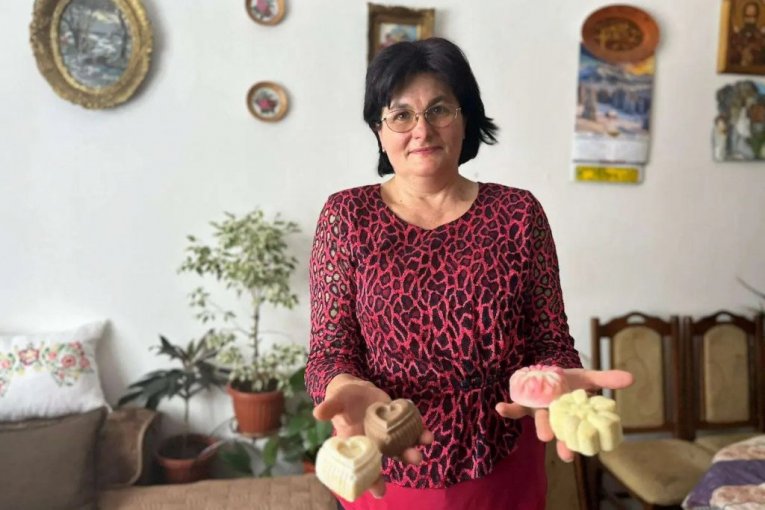

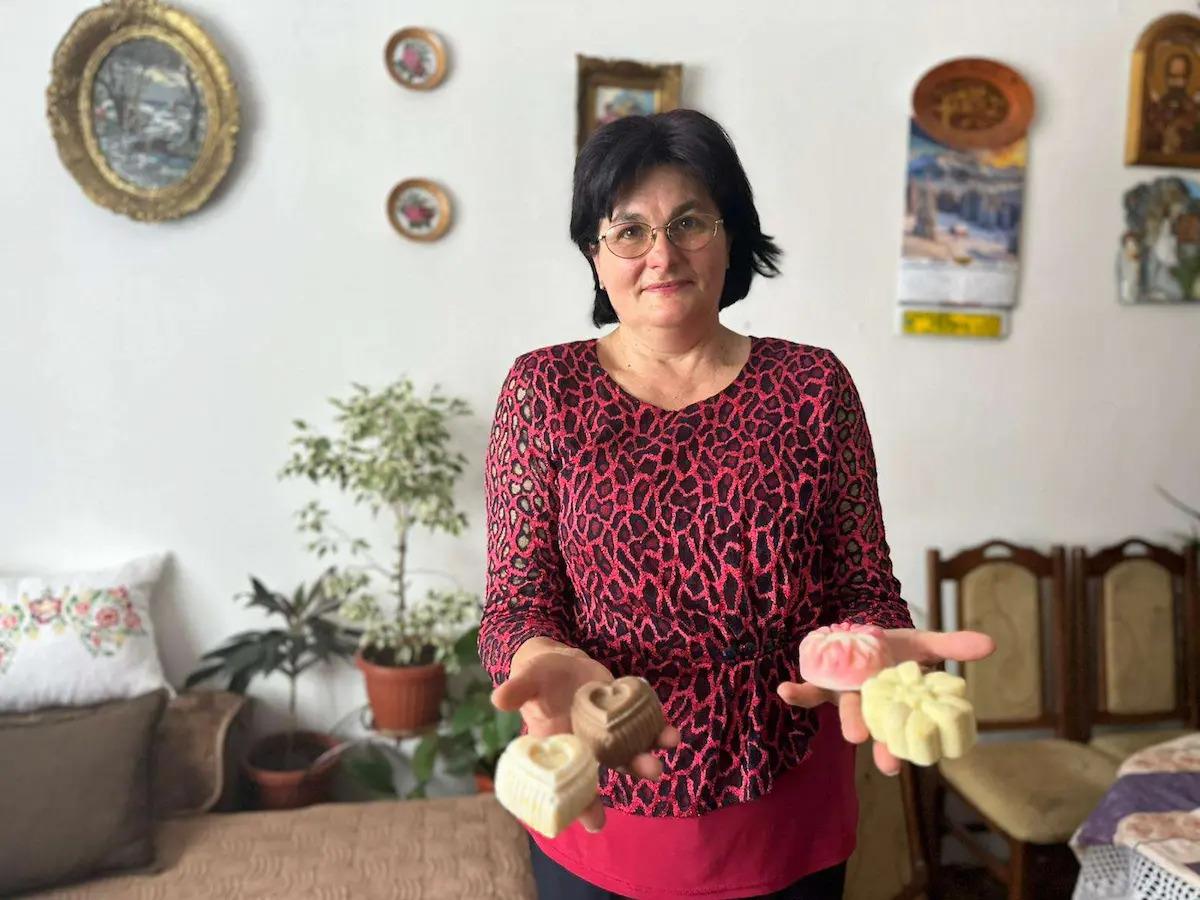
Nevenka Bogdanović is portrayed across outlets as a rural entrepreneur from the village of Rošci, at the foot of Kablar mountain, who has built a small but successful business producing natural, hypoallergenic soaps and balms. Reports concur that she uses ingredients available in her immediate surroundings and on her farm, drawing on both her agricultural education and the soap-making skills she first learned in childhood to turn what is described as “nature’s gifts” into useful products. Coverage also agrees that her business relies heavily on satisfied customers and word-of-mouth, and that she faces ongoing challenges in marketing and distribution despite the evident demand for her products.
Across the board, media describe her work as rooted in local tradition and rural life, combining old-fashioned knowledge with modern entrepreneurship in the field of natural cosmetics and wellness. The shared narrative emphasizes the value of sustainable, nature-based production, the preservation of artisanal skills, and the economic potential of small-scale rural businesses. Both sides frame her story within wider themes of trust in natural remedies, the appeal of hypoallergenic products, and the role of individual initiative and education in creating livelihood opportunities outside major urban centers.
Points of Contention
Framing of success and agency. Opposition-aligned sources tend to frame Nevenka’s success, when they mention similar cases, as an individual coping strategy in a constrained rural economy, highlighting how personal resilience is needed to overcome systemic obstacles. Pro-government outlets, in contrast, portray her as a straightforward success story, emphasizing her initiative, creativity, and perseverance without dwelling on structural barriers. While opposition narratives would likely stress precarity and limited support behind such ventures, pro-government coverage presents her achievements as evidence that motivated individuals can thrive in the current environment.
Role of the state and institutions. Opposition sources, in comparable entrepreneurship stories, usually stress inadequate institutional support, limited rural subsidies, and bureaucratic hurdles that small producers face in registering products, getting certifications, or accessing markets. Pro-government reporting on Nevenka downplays or omits these issues, instead implicitly crediting the broader climate for entrepreneurship and rural development by focusing on her ability to start and grow a business from home. Thus, where opposition outlets would likely connect her story to gaps in state policy, pro-government media treat institutional context as neutral or favorable and not central to her narrative.
Economic context and rural development. Opposition-leaning coverage typically situates rural micro-businesses within a narrative of depopulation, youth migration, and lack of stable employment, suggesting such ventures arise from necessity rather than choice. Pro-government stories about Nevenka, however, cast rural life as an opportunity space, presenting natural resources and tradition as comparative advantages that can be turned into profitable brands. The former would stress that her case is an exception to wider rural stagnation, while the latter present it as a representative example of positive rural development trends.
Symbolic meaning of natural products. For opposition outlets, natural soaps and balms in similar stories may symbolize citizens’ turn away from large, often foreign-owned corporations and a market they see as failing to provide safe, affordable products, subtly criticizing existing economic structures. Pro-government coverage uses Nevenka’s natural, hypoallergenic products more as a feel-good symbol of harmony between tradition, nature, and modern entrepreneurship, avoiding critical reflections on the mainstream cosmetics industry or regulatory shortcomings. As a result, opposition narratives would likely charge her products with a mild protest meaning, while pro-government narratives treat them as apolitical proof of national craftsmanship and rural vitality.
In summary, opposition coverage tends to frame Nevenka Bogdanović’s type of success as a rare, hard-won outcome against structural disadvantages in rural Serbia, while pro-government coverage tends to present her as an emblematic, upbeat example of how current conditions enable traditional, nature-based entrepreneurship to flourish.