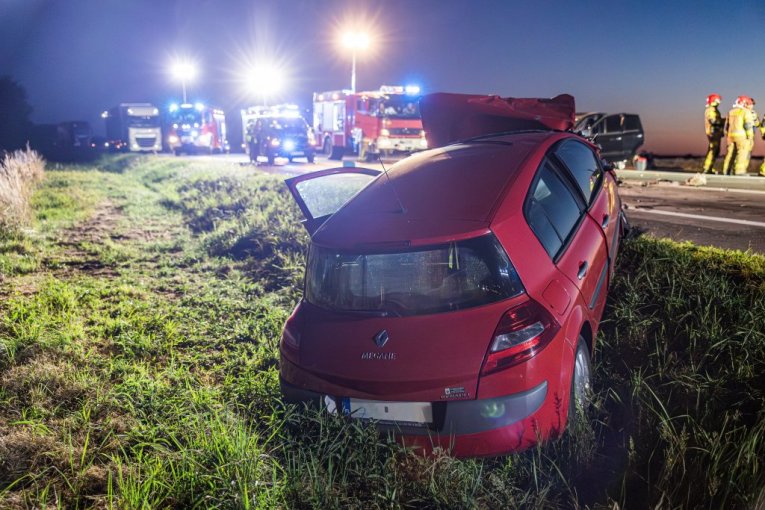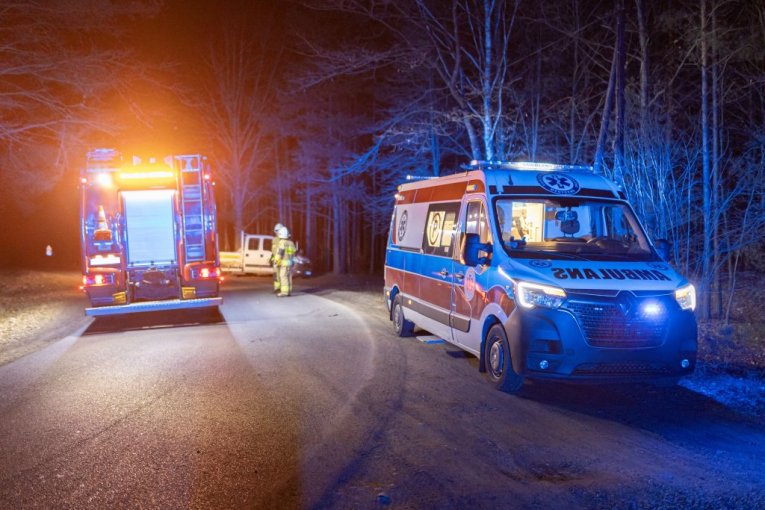


Several outlets across the spectrum agree that a serious multi-vehicle crash occurred in Veliko Golovode near Kruševac, involving a van and two passenger cars. They broadly concur that multiple people were injured, with at least one person sustaining severe injuries including fractures to both legs and another person suffering minor injuries, and some reports suggesting a third vehicle’s driver fled the scene. There is also agreement that emergency medical services, police, and firefighters responded to the crash site, that traffic was slowed in the area, and that the incident happened in the evening on a regional road where caution was advised for other drivers.
Shared context across outlets frames the event as part of a broader problem of traffic safety on Serbian regional roads, where accidents involving multiple vehicles and serious injuries are not uncommon. Both sides reference the roles of standard institutions such as traffic police, fire brigades, and emergency medical teams, and there is general agreement on procedural points: securing the scene, aiding the injured, and notifying authorities. Coverage commonly touches on the importance of following legal obligations after a crash, such as not leaving the scene and cooperating with the investigation, and hints at ongoing procedural steps including forensic analysis and official determination of causes, even if detailed responsibility has not yet been formally assigned.
Points of Contention
Framing of causes and responsibility. Opposition-aligned sources tend to interpret the crash as symptomatic of systemic failures in traffic safety policy, pointing to poor road conditions, weak enforcement, and a culture of impunity for reckless drivers. Pro-government media instead emphasize individual behavior, highlighting that one driver allegedly fled the scene and presenting the event as an unfortunate but isolated incident. While opposition outlets would likely link the crash to underinvestment and lax oversight, pro-government outlets focus on describing the mechanics of the collision and official procedures without directly faulting state institutions.
Role of institutions and emergency response. Opposition sources are inclined to question whether emergency teams arrived quickly enough and whether chronic understaffing or underfunding might compromise care and investigation quality. Pro-government outlets stress that police, firefighters, and emergency medical services were promptly “on the ground,” underscoring their professionalism and suggesting that the system functioned as intended. Where opposition voices might see the accident as exposing institutional strain or mismanagement, pro-government coverage presents the same institutional presence as evidence of an effective and responsive state.
Legal accountability and follow-up. Opposition-aligned media are likely to focus on whether the driver who allegedly fled will be identified, arrested, and prosecuted, using past cases to raise doubts about consistent enforcement and equal treatment before the law. Pro-government outlets tend to mention the fleeing driver as a factual detail but then pivot to advice on what drivers should legally do after an accident, reinforcing civic obligations rather than questioning future prosecutorial outcomes. In opposition narratives, the unresolved accountability is a test of the justice system, whereas in pro-government reporting it is treated more as a cautionary tale about individual wrongdoing.
Broader political and policy implications. Opposition sources often extrapolate from such crashes to criticize government transport and safety policies, linking the event to unmet promises on infrastructure upgrades, stronger penalties, or better road signage. Pro-government coverage rarely draws explicit policy or political conclusions from the incident, instead treating it as a tragic but depoliticized occurrence within an otherwise functioning framework. Thus, while opposition narratives situate the crash within a pattern allegedly reflecting governance failures, pro-government narratives frame it primarily as a human and procedural story without broader systemic indictment.
In summary, opposition coverage tends to embed the crash in a narrative of systemic safety, enforcement, and governance failures, while pro-government coverage tends to present it as an isolated tragedy managed by competent institutions with emphasis on individual responsibility and procedural correctness.
Story coverage