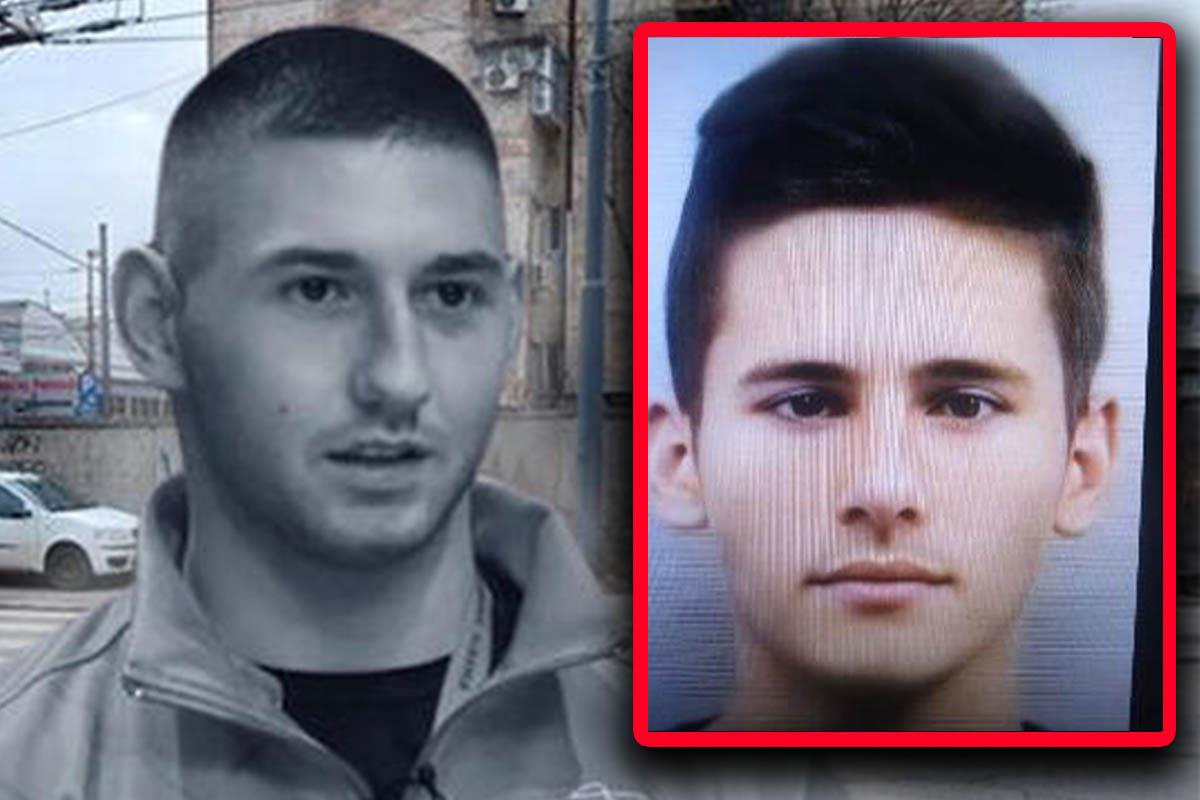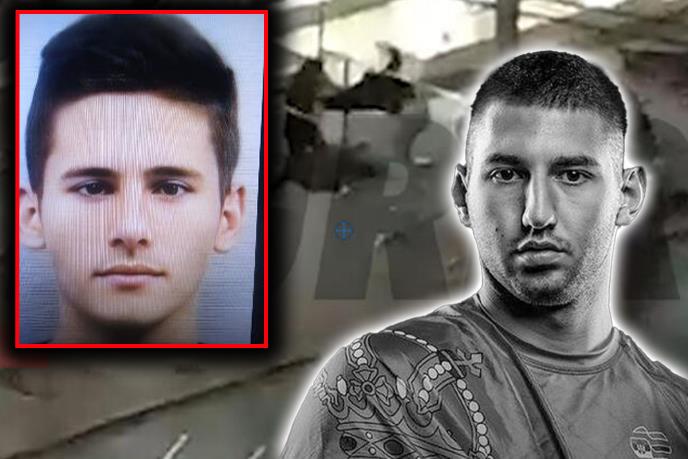




Marko Daničić, a 25-year-old Serbian citizen, has been arrested in Grocka on suspicion of participating in the murder of MMA fighter Stefan Savić in Belgrade two years ago, an event in which a bystander, Stefan Marković, was also seriously injured while trying to intervene. Both opposition and pro-government-leaning reports agree that Daničić had been on the run for roughly two years under an international warrant, that he allegedly entered Serbia from Croatia using his brother’s Croatian ID card, and that he was located and arrested in a coordinated operation by the Ministry of Internal Affairs and the Higher Public Prosecutor’s Office in Belgrade, after surveillance lasting several months. They concur that Daničić is suspected of acting together with Vasilije Gačević, who was previously arrested in Spain/Barcelona, and that Savić was stabbed multiple times following a verbal altercation in a nightlife setting.
Across the spectrum, outlets characterize the case as aggravated murder and attempted aggravated murder, describe it as a serious and high-profile crime due to Savić’s public profile as an MMA fighter, and emphasize that the suspects had been hiding abroad before being tracked down. Both sides note that the use of a relative’s ID to cross the border raises questions about security controls and potentially exposes the brother to criminal liability for aiding flight, and some coverage cites legal experts suggesting he could be prosecuted. Media across the divide highlight the emotional reaction of Savić’s family, especially his grandfather’s statements of gratitude for the arrests and calls for the perpetrators to receive deserved punishment, presenting the arrests as a key milestone but not the end of the judicial process.
Points of Contention
Framing of the state’s role. Opposition-aligned outlets tend to frame the arrest as coming unacceptably late, implying that the suspects’ two-year fugitive status reflects incompetence or tolerance of criminal networks within security institutions. Pro-government media, by contrast, present the operation as a success story for the police and prosecutor’s office, stressing the complexity of tracking a fugitive across borders and praising the professionalism of the services involved. While opposition pieces use the delay to question institutional effectiveness, pro-government pieces highlight the coordination, monitoring, and eventual capture as proof that the system works.
Security failures versus isolated loophole. Opposition sources typically emphasize Daničić’s ability to enter Serbia using his brother’s Croatian ID as symptomatic of systemic border-security and document-control failures, sometimes linking it to broader concerns about corruption and weak rule of law. Pro-government outlets acknowledge the loophole but tend to treat it as a single exploit to be investigated rather than evidence of structural rot, often framing it within expert commentary that the mistake will be addressed. Where opposition coverage uses the ID episode as a springboard to criticize institutions, pro-government coverage uses it to underline the need for technical fixes while preserving trust in law enforcement.
Narrative around possible mafia links. Opposition reporting is more inclined to stress, or at least speculate about, deeper organized-crime connections behind the killing, questioning whether political protection or underworld ties allowed the suspects to evade justice for so long. Pro-government media highlight statements like those of lawyer Toma Fila that the suspects may reveal broader criminal structures, but they frame this as evidence that the current authorities are now moving against such networks rather than shielding them. Thus, opposition coverage tends to cast the mafia angle as an indictment of current governance, whereas pro-government coverage treats it as the next phase of a state-led crackdown.
Use of victim’s family and public emotion. Opposition outlets are more likely to juxtapose the grief and anger of Savić’s family with criticism of slow justice, using the grandfather’s calls for deserved punishment to underscore perceived institutional delay and impunity. Pro-government outlets also quote the family, but they foreground their gratitude toward the police and other services, casting these reactions as public endorsement of the authorities’ efforts. While opposition coverage locates family emotion within a narrative of long-standing systemic failure, pro-government coverage places it within a story of closure and trust in the ongoing legal process.
In summary, opposition coverage tends to use the arrest to highlight delays, systemic weaknesses, and suspected ties between crime and state structures, while pro-government coverage tends to spotlight police efficiency, institutional cooperation, and the arrest as proof that the system ultimately delivers justice.
Story coverage