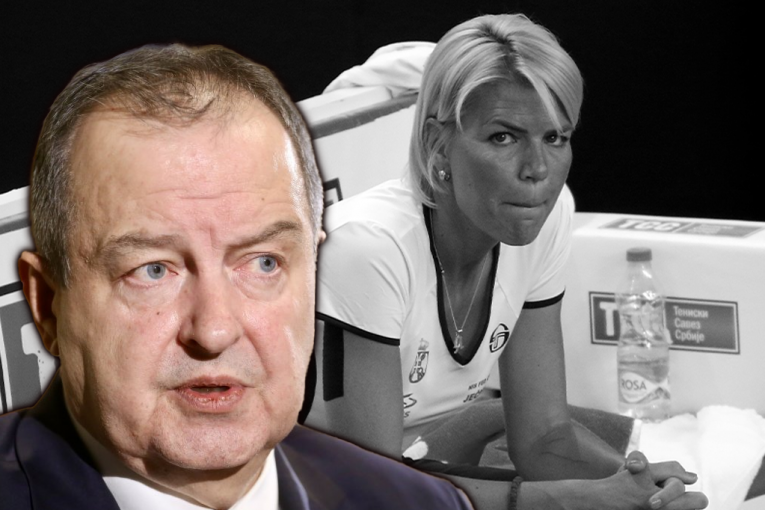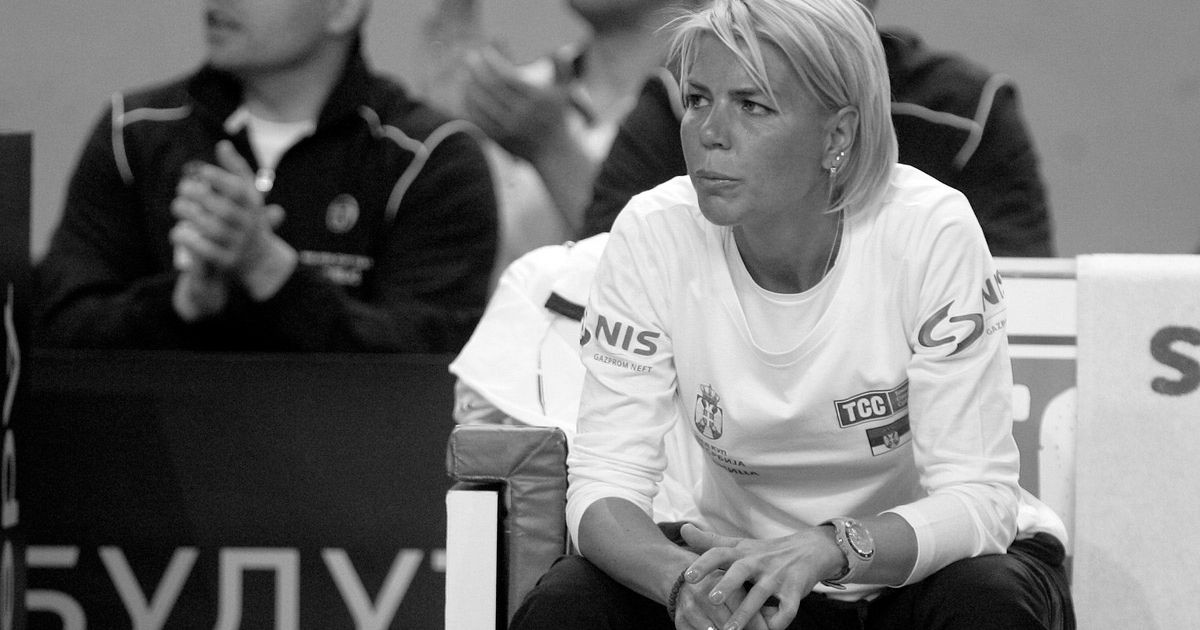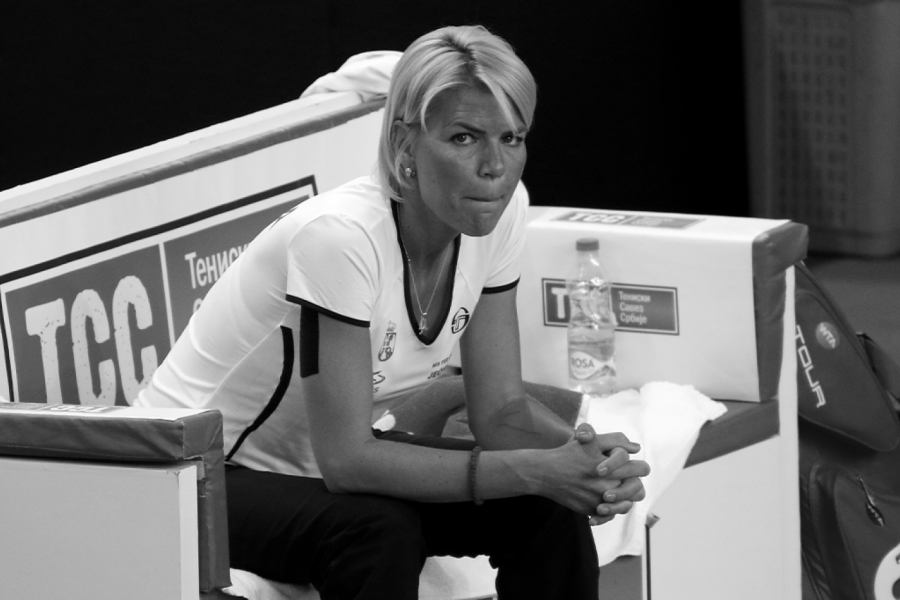



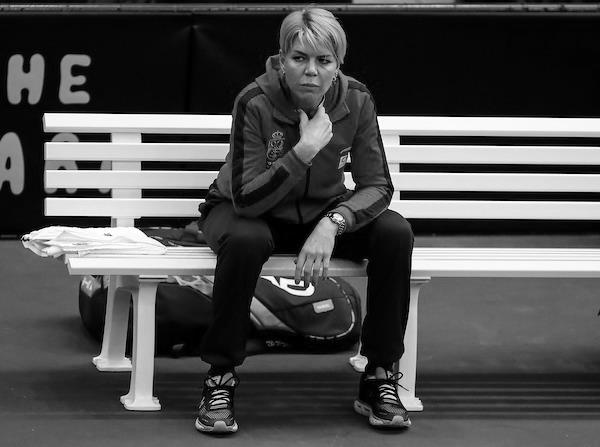
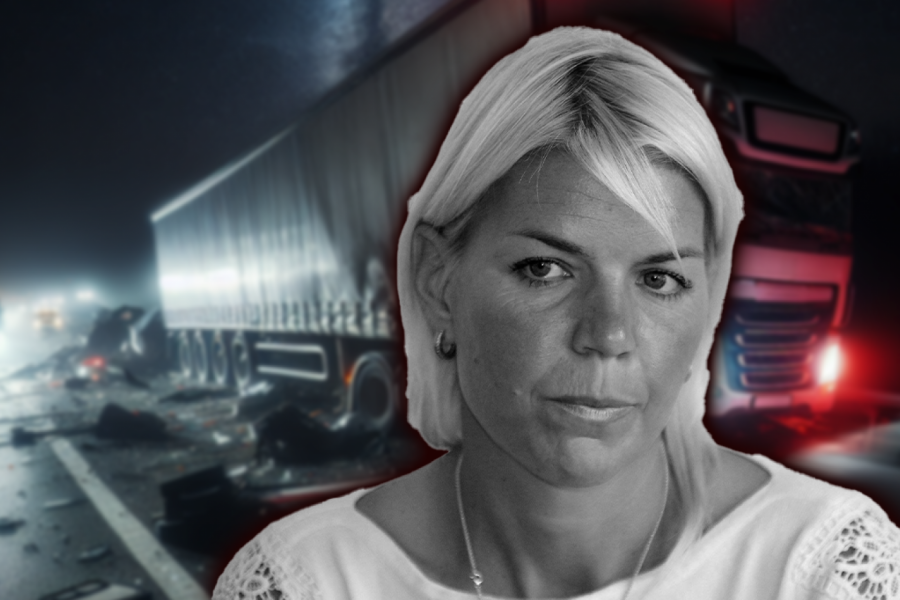
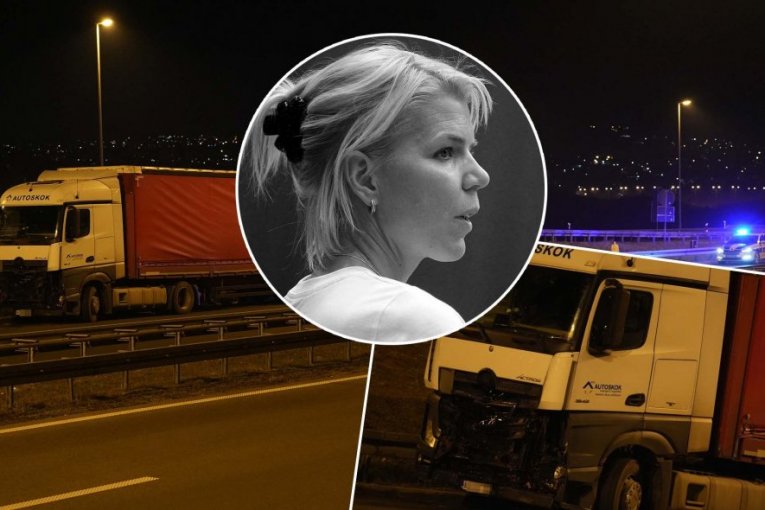
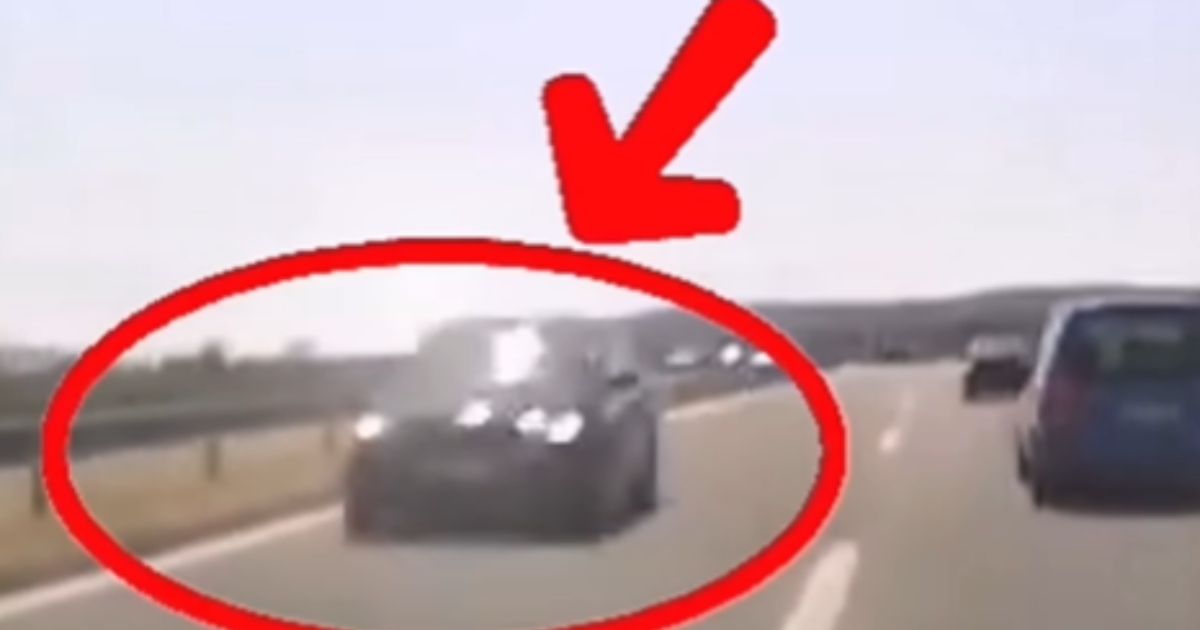
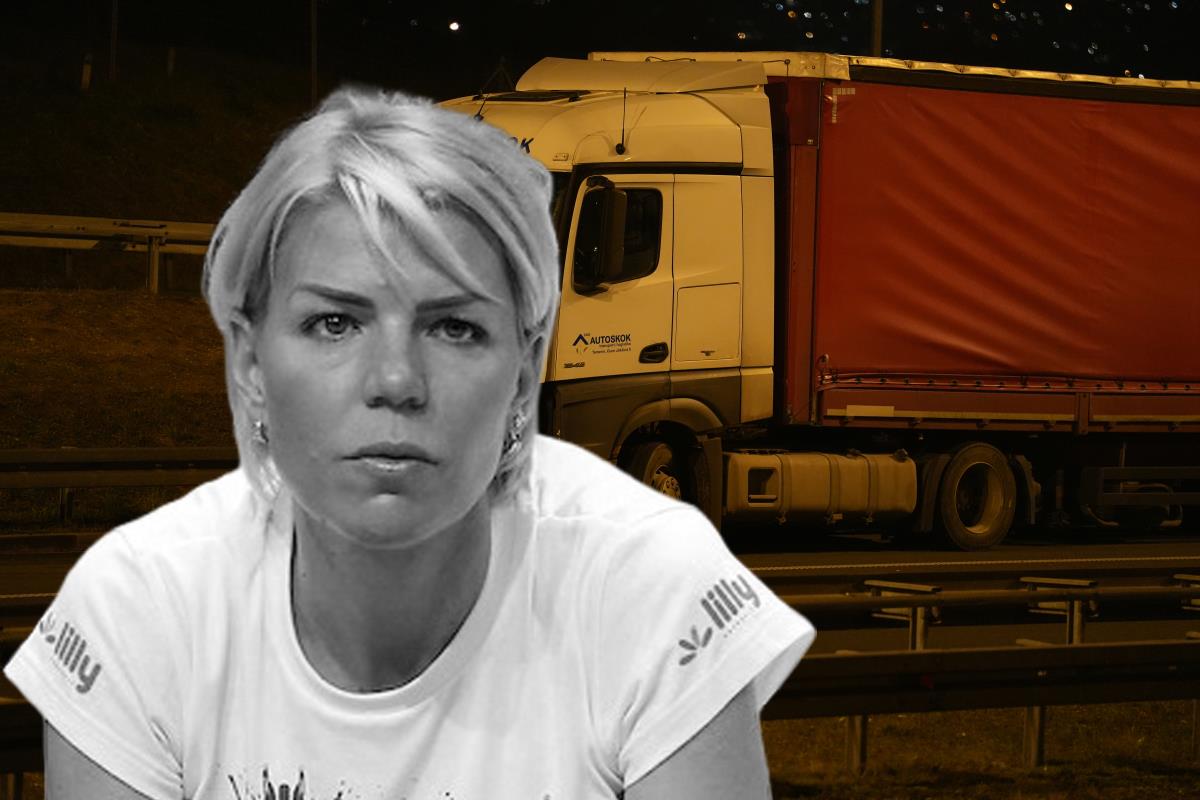
Former Serbian tennis player and Fed Cup captain Tatjana Ječmenica, aged 47, died in a severe traffic accident on the Belgrade bypass near the Orlovača interchange. Both opposition and pro-government reports agree that her jeep/SUV collided with a truck shortly before 9 p.m., that firefighters had to extract occupants from the passenger vehicle, and that Ječmenica died at the scene. Her husband Darko Jevtić, director of handball club Vojvodina and a public sports official, was traveling with her and sustained serious chest injuries; he is in critical condition and has reportedly been placed in an induced coma. Coverage from both sides notes that emergency services and multiple fire brigades responded to the crash, that the collision occurred after she missed a turn and reversed on the bypass according to police-based reconstructions, and that authorities confirmed the basic sequence of events and a single female fatality.
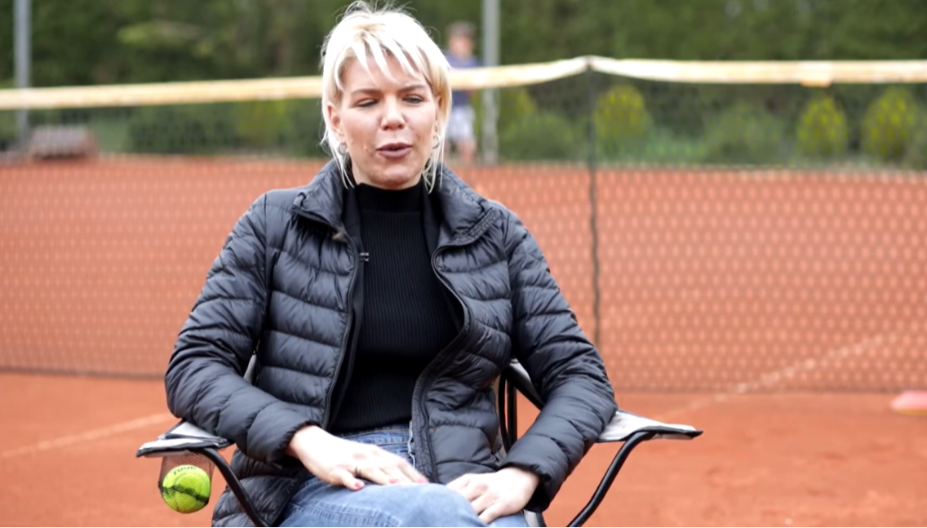
Across the spectrum, outlets highlight Ječmenica’s status as an important figure in Serbian tennis and sport more broadly, stressing that the tragedy is a heavy blow for the national sports community. They consistently recount her career milestones: a peak WTA singles ranking in the 70s, multiple ITF singles and doubles titles, participation in all four Grand Slams, and later service as captain of the Yugoslav/Serbian and Montenegrin women’s national Fed Cup team and as a coach. Both opposition and pro-government media present Jevtić as a prominent sports administrator whose condition remains life-threatening, and they mention that the couple has a son, underlining the familial dimension of the loss. There is shared framing of the incident as part of a broader pattern of serious traffic accidents in Serbia, with references to official condolences from state and sports institutions and descriptions of the news as unexpected, premature, and shocking for the public.
Points of Contention
Cause and fault framing. Opposition-aligned sources tend to emphasize systemic factors such as dangerous road design on the Belgrade bypass, weak traffic enforcement, and recurring heavy-vehicle risks, presenting the crash less as an isolated mistake and more as a symptom of chronic failures. Pro-government outlets focus more narrowly on the immediate maneuver—reversing after missing an exit—and on eyewitness or police-leak details that implicitly assign responsibility to the driver. While opposition coverage is more likely to question whether infrastructure and signage contributed to the error, pro-government coverage usually leaves those questions aside, reinforcing the idea of tragic but individual misjudgment.
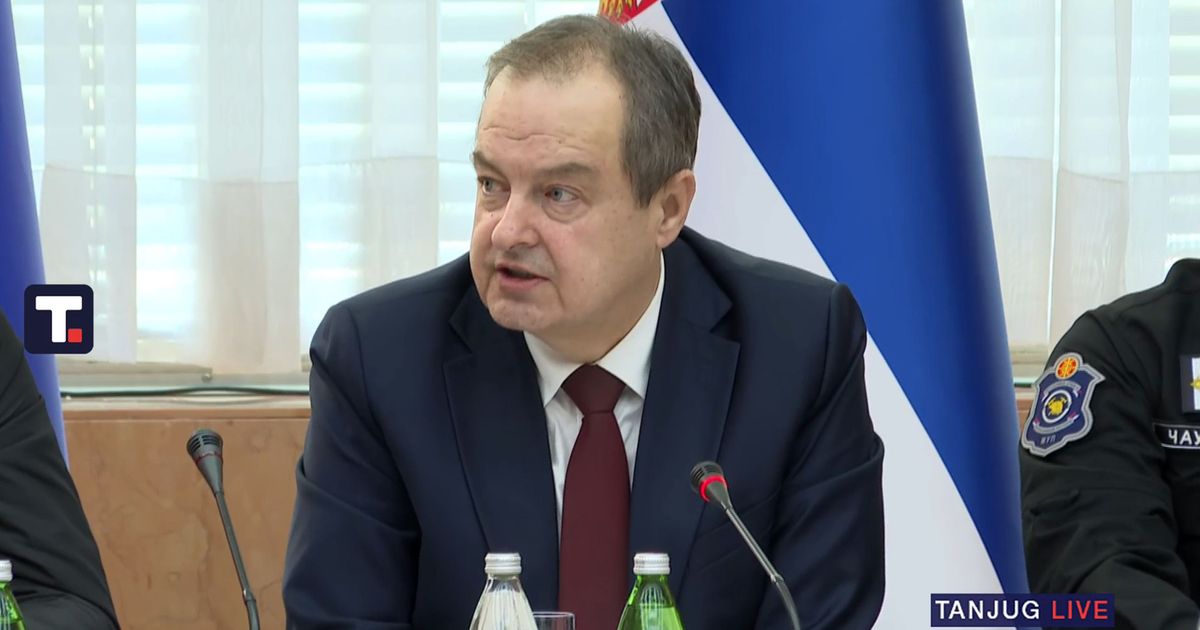
Use of political and institutional voices. Opposition media, where they cover the story, downplay or critically frame official reactions, treating statements by figures like Ivica Dačić as formulaic attempts to control the narrative around road safety and public grief. Pro-government outlets foreground Dačić’s announcement of the death and similar comments by state and party officials, using them to set the tone of mourning and to present institutions as responsive and compassionate. In opposition reporting, institutional condolences are often juxtaposed with reminders of unfulfilled road-safety promises, whereas in pro-government coverage they are leveraged to underscore national unity and the state’s symbolic presence.
Connection to past incidents and security climate. Opposition-aligned sources are more inclined to mention the earlier arson attack on Ječmenica’s family car in 2017 as part of a pattern of unresolved or poorly investigated threats in Serbian public life, using it to question the effectiveness of law enforcement and the broader climate of insecurity. Pro-government media also report the 2017 car fire, but frame it as a disturbing yet unrelated episode, stressing that it was never conclusively linked to any perpetrator and avoiding speculation about motives or systemic implications. Where opposition outlets may hint at a culture of impunity around such attacks, pro-government coverage treats the arson as background color that personalizes the tragedy without challenging current institutions.
Broader road-safety narrative. Opposition coverage tends to place Ječmenica’s death alongside other high-profile crashes to argue that Serbia faces a persistent road-safety crisis tied to governance failures, underinvestment, and lax enforcement. Pro-government outlets, while acknowledging a series of tragic accidents, usually handle this event as a standalone catastrophe, balancing emotional language (“Serbia enveloped in black”) with practical advice on what to do after an accident rather than structural critique. The opposition side more readily invokes statistics, prior black spots, and earlier promises of reforms, whereas pro-government media focus on immediate human-interest aspects and patriotic framing of national mourning.
In summary, opposition coverage tends to embed Tatjana Ječmenica’s death in a narrative about systemic road-safety problems, institutional shortcomings, and an uneasy security climate, while pro-government coverage tends to emphasize personal tragedy, official condolences, and a narrowly reconstructed account of the accident that avoids deeper criticism of state institutions.
Story coverage






pro-government
Republic / Photo Gallery / Accident
The driver is in a state of complete shock!
a month ago






pro-government
TRAGIC NEWS Tatjana Ječmenica has died!
Her husband is fighting for his life!
a month ago