
pro-government
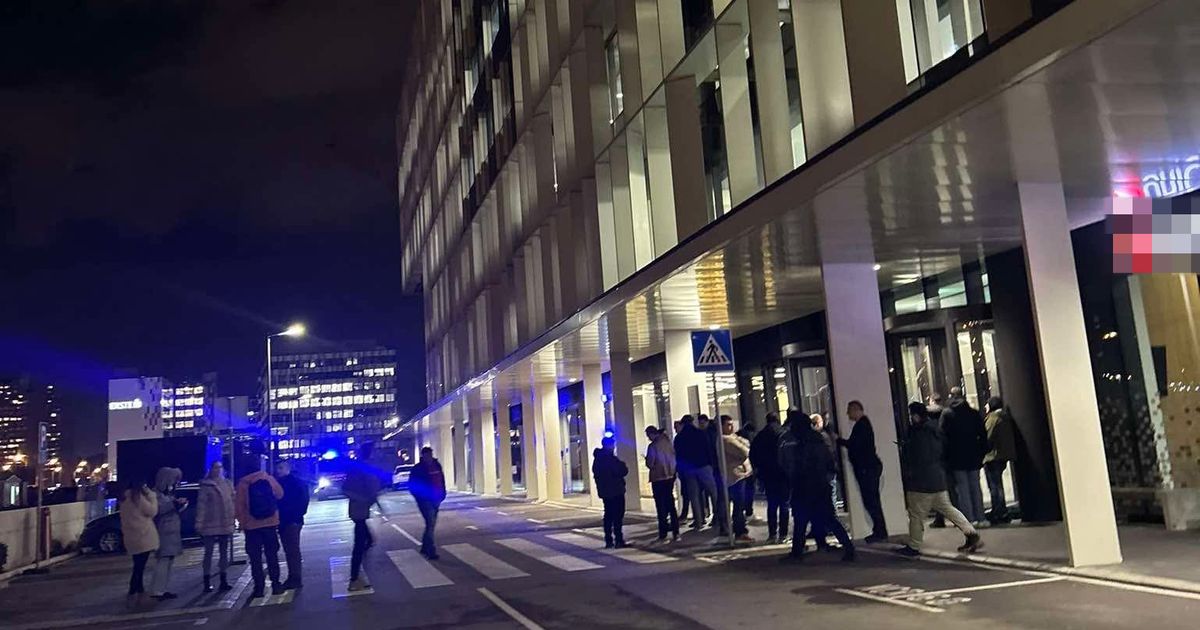
Drama on New Belgrade: All employees urgently evacuated from office building
Today after 7 PM, a fire allegedly broke out in the NCR building on New Belgrade.
2 months ago
A fire alarm incident occurred at the NCR office building in New Belgrade in the evening hours, shortly after 7 p.m., leading to the urgent evacuation of all employees. Reports agree that workers left the building quickly and gathered outside, while at least one fire truck arrived at the scene as a precaution and no casualties were reported in the initial coverage.
Shared context across reports frames the event as a reminder of general fire safety in large office complexes, with emphasis on the role of electrical installations and human negligence as the most common sources of fires. Firefighters and safety experts are cited explaining standard procedures in case of fire, including the importance of orderly evacuation, following alarm signals, and avoiding the use of water on inappropriate types of fires, underscoring broader public education rather than political or institutional blame.
Scale and seriousness. Opposition-aligned outlets typically portray such incidents, when they cover them, as symptomatic of broader systemic safety vulnerabilities in fast-growing business districts, hinting that even relatively small fires could have turned serious. Pro-government outlets, by contrast, emphasize that the response was swift, that the situation was under control, and that the event was limited in scope with no reported injuries. Opposition coverage tends to dwell more on what might have gone wrong, while pro-government coverage stresses that existing procedures functioned as intended.
Institutional responsibility. Opposition sources tend to connect incidents like the NCR building fire to inadequate enforcement of safety regulations, insufficient inspections, or underfunded emergency services, implicitly questioning authorities’ oversight of major corporate facilities. Pro-government media instead highlight the professionalism and rapid deployment of firefighting units and building security, using the event to show that institutions are responsive and prepared. While opposition narratives suggest regulatory gaps, pro-government narratives underline functioning systems and compliance.
Political framing and symbolism. Opposition-aligned outlets are more likely to interpret or reference such an event within a wider critique of urban management and government-aligned investors, presenting it as another warning sign about unplanned development and potential risks to citizens. Pro-government coverage treats the incident as a largely apolitical safety episode, focusing on practical advice and reassuring messaging rather than drawing political parallels. Thus, where opposition coverage reads the fire as symbolic of governance problems, pro-government outlets frame it as a technical episode handled competently.
Public communication and transparency. Opposition media, when discussing similar events, often stress information gaps, raising questions about how quickly authorities and building management inform employees and the public about causes and risks. Pro-government outlets foreground official statements, expert commentary, and clear procedural guidance, presenting communication as timely and sufficient. This leads opposition sources to suggest that authorities under-communicate potential dangers, while pro-government outlets argue that the public is adequately informed and guided.
In summary, opposition coverage tends to use the NCR building incident as a lens to question safety standards, regulatory enforcement, and broader governance in New Belgrade, while pro-government coverage tends to emphasize the limited nature of the fire, the effectiveness of the emergency response, and the opportunity to educate the public on proper fire safety procedures.