


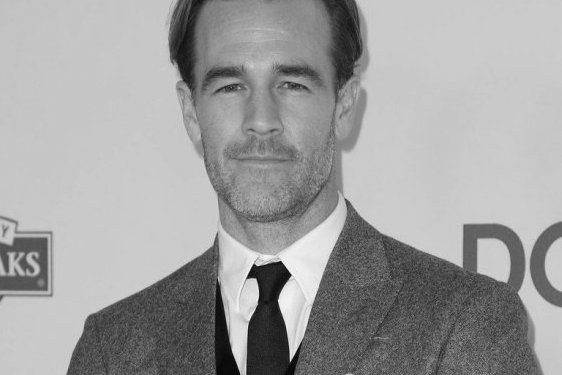
James Van Der Beek, best known for portraying Dawson Leery in the television series "Dawson's Creek," has died in his late forties, with most reports placing his age at 49, though some pro‑government outlets inconsistently cite 48. Both opposition- and pro‑government‑aligned sources agree that his death followed a battle with colorectal/colon cancer, which had reached stage three, and that he faced the illness privately for a significant period before it became public. Coverage on both sides notes that his family, led by his wife Kimberly, announced his peaceful passing and emphasized that he met his final days with courage, dignity, faith, and optimism. Outlets also agree that he was a widely beloved television figure beyond "Dawson's Creek," frequently mentioning his roles in projects such as "Varsity Blues" and an anticipated role in a planned "Legally Blonde" prequel titled "Elle," as well as highlighting how fans and colleagues are mourning his loss across the entertainment world.
Shared context across opposition and pro‑government coverage portrays Van Der Beek as an emblematic figure of late‑1990s and early‑2000s television whose work helped shape teen drama as a genre, with both sides underscoring the enduring popularity and cultural impact of "Dawson's Creek." Both note that his illness and death have sparked broader conversations about colorectal cancer, its symptoms, and the importance of timely screenings, often referencing his stage three diagnosis following a colonoscopy in 2023 as a narrative turning point. The two media camps highlight his family life, portraying him as a devoted husband and father of a large family who tried to protect his children and loved ones from public scrutiny during his illness. They also converge in describing him as using his final interviews and social media posts to offer advice and emotional reflections to others facing serious disease, including stressing inner strength, not letting cancer define one's identity, and treating adversity as a catalyst for positive personal change.
Points of Contention
Framing of illness and privacy. Opposition-aligned outlets tend to treat Van Der Beek’s cancer as a largely private struggle, focusing on his courage and discretion without dwelling on media intrusion or timeline inconsistencies. Pro‑government outlets, by contrast, dramatize the illness with phrases like “tough battle with a deadly disease,” highlight stage and diagnosis dates in more sensational fashion, and sometimes suggest he went public under pressure from tabloids. While opposition sources keep the medical narrative compact and respectful, pro‑government coverage frequently centers his last interviews and symptom “warnings,” turning his experience into a quasi‑public health cautionary tale wrapped in emotional storytelling.
Emotional tone and personal life. Opposition coverage generally adopts a restrained, elegiac tone, emphasizing his artistic legacy and dignified final days, with minimal focus on intimate family details. Pro‑government outlets lean heavily into pathos, showcasing his final birthday message to his daughter, describing fans “in tears,” and portraying him as a heartthrob “beloved by women,” thereby framing his death as a deeply personal shock to audiences. Where opposition stories keep his family in the background as grieving survivors, pro‑government pieces foreground the seven‑member household’s emotional journey, often using vivid, highly affective language to elicit empathy.
Financial hardship and fundraising. Opposition-aligned reports, where mentioned, treat the GoFundMe campaign and financial strain as secondary context, noting that expensive treatment and lingering costs burdened the family but not making this the centerpiece of coverage. Pro‑government outlets, however, devote substantial space to the crowdfunding effort, detailing the initial $500,000 target, high‑profile donors like Derek Hough, and rapid surpassing of $1 million, casting the story as a collective rescue mission for a suddenly destitute family. Opposition narratives thus frame donations as a natural outpouring of support, while pro‑government narratives amplify the urgency and drama of “how much needs to be collected” and how the family “gave everything” for treatment.
Legacy and public messaging. Opposition media foreground Van Der Beek’s professional achievements—his iconic status on "Dawson’s Creek" and continued relevance through planned projects—as the core of his legacy, only briefly touching on his disease as a tragic coda. Pro‑government coverage, in contrast, increasingly defines his legacy through his illness narrative and “golden advice” to cancer patients, spotlighting one of his last interviews as a central document in which he urges vigilance about symptoms and a positive mindset. As a result, opposition stories remember him primarily as an actor whose work marked an era of television, while pro‑government stories remember him equally as a moral and cautionary voice whose death is used to dramatize broader health and social concerns.
In summary, opposition coverage tends to present a measured obituary-style account centered on Van Der Beek’s career, dignified private battle with cancer, and restrained mention of family and finances, while pro-government coverage tends to dramatize his illness, family hardship, and final public messages, turning his death into a highly emotional narrative of suffering, warning, and communal mobilization.
Story coverage
pro-government
Republic / Photo Gallery / James
Here's how much is urgently needed to be collected!
a month ago

pro-government
Republika / Photo Gallery / James Van Der Beek
Everyone adored him in this series!
a month ago