pro-government
Traffic Accident near Čačak
There were no injuries in the passenger train, and by sheer luck, the train did not derail.
2 months ago
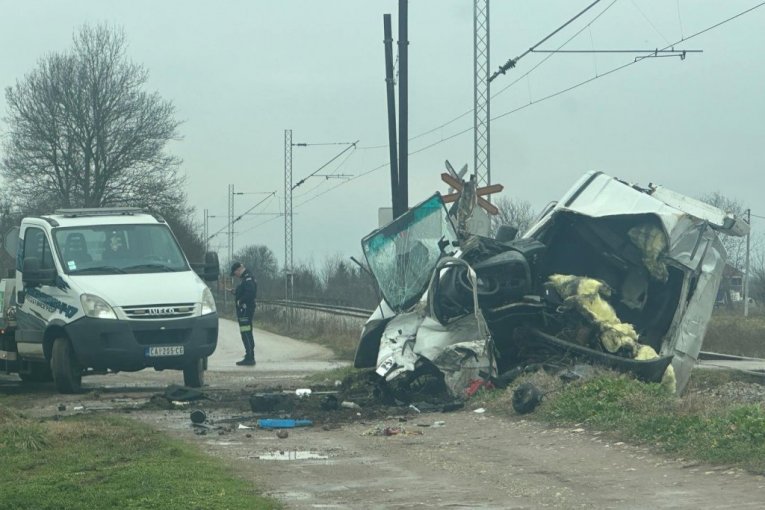
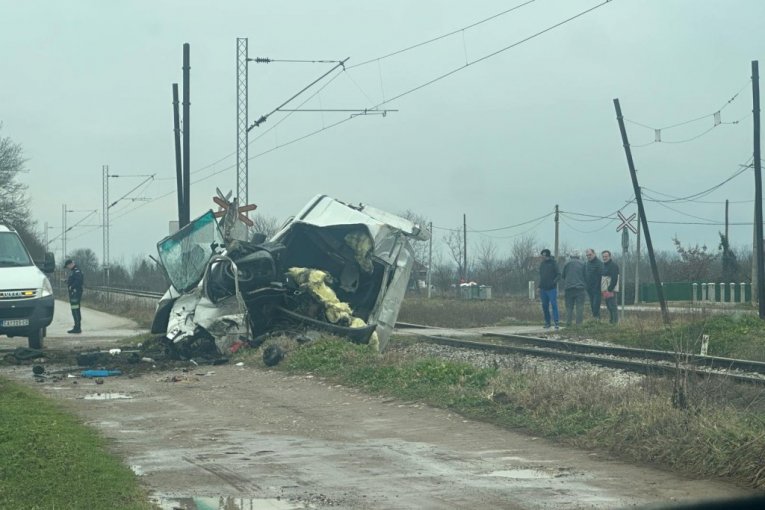
A fatal traffic accident occurred at a railway crossing on the Zablaće–Čačak line near Čačak, when a van collided with a passenger train, resulting in the death of a 42‑year‑old van driver. Both sides agree that the incident happened at a level crossing, that the van was hit with such force it was thrown into a ditch, and that despite the severity of the collision, none of the passengers or staff on the train were injured and the train did not derail. Eyewitness accounts reported that the van entered the crossing when the train was already approaching and that the moment of impact was sudden and violent, leaving the driver in critical condition. Medical reports describe that he was taken to the emergency department of the local general hospital unconscious, without pulse or breathing, and that resuscitation attempts were unsuccessful.
Coverage from both opposition and pro‑government media would typically situate the accident within the broader framework of Serbia’s road and rail safety challenges, referencing rail crossings as known risk points that involve coordination between traffic regulations, railway infrastructure, and driver behavior. There is broad agreement that institutions such as Serbian Railways, local police, emergency services, and hospital staff are central actors in the immediate response, and that formal investigations are standard procedure after such collisions. Both sides tend to mention ongoing or previously announced efforts to modernize rail infrastructure and crossings, such as better signaling and barrier systems, while acknowledging that human error and non‑compliance with traffic rules remain critical contributing factors. They also commonly frame the tragedy as an opportunity to reiterate public safety messages about caution at level crossings and the potentially fatal consequences of a moment’s inattention.
Responsibility and blame. Opposition‑aligned outlets are more likely to frame the crash as a symptom of systemic neglect, suggesting that outdated or inadequately secured level crossings and underfunded rail infrastructure share responsibility with the driver’s actions. Pro‑government media, by contrast, emphasize eyewitness claims that the van did not stop at the crossing and highlight formulations like “one moment of carelessness can be fatal,” placing primary blame on the driver’s alleged failure to follow the rules. Opposition narratives question whether warning systems, barriers, or visibility conditions were sufficient and whether authorities had long ignored known black spots, while pro‑government coverage stresses that the train crew acted correctly and that the collision was essentially unavoidable from the rail side.
Infrastructure and state investment. Opposition sources tend to connect the accident to a wider pattern of underinvestment outside showcase rail corridors, arguing that smaller lines and rural crossings near places like Zablaće and Čačak lag behind modernization promises. Pro‑government outlets, however, use the incident to underline how much worse the outcome could have been and to praise existing safety measures for preventing derailment and protecting passengers, implying that current investment is yielding results. While opposition coverage may draw contrasts between official rhetoric about modern railways and the reality of basic crossings where fatal crashes still occur, pro‑government reports more often fold the story into a narrative of gradual improvement, framing this as an isolated tragedy against a backdrop of overall progress.
Institutional accountability and follow‑up. Opposition media are more inclined to ask what the police, transport ministry, and rail authorities knew about previous incidents at this crossing and whether anyone will be held accountable beyond the deceased driver. Pro‑government reporting usually focuses on the professionalism of emergency services and hospital staff, describing in detail how they fought to save the driver, and then leaves accountability largely at the level of individual behavior. Opposition outlets might demand transparent publication of investigation results and potential changes to crossing design or signaling, whereas pro‑government coverage tends to present the official investigation as routine and sufficient without pressing for structural reform.
Narrative framing and political implications. Opposition‑aligned coverage is more likely to politicize the event, weaving it into a broader critique of governance, public safety policy, and the credibility of government statistics on traffic and rail accidents. Pro‑government media largely depoliticize the tragedy, treating it as a human‑interest and cautionary tale, foregrounding eyewitness drama and the driver’s fatal mistake while avoiding broader systemic or political questions. Where opposition commentators may link this crash to other recent incidents to argue that promised reforms have not reached everyday crossings, pro‑government narratives instead stress personal responsibility and suggest that no amount of investment can fully prevent accidents caused by individual lapses.
In summary, opposition coverage tends to treat the Čačak‑area collision as evidence of deeper structural and institutional problems that share responsibility for the driver’s death, while pro‑government coverage tends to stress individual error, highlight the successful protection of train passengers, and frame the event as a tragic but isolated reminder to obey existing safety rules.