
pro-government
Girl Saves Sister from Fire in Podgorica
The cause of the fire is most likely a bad power surge.
2 months ago
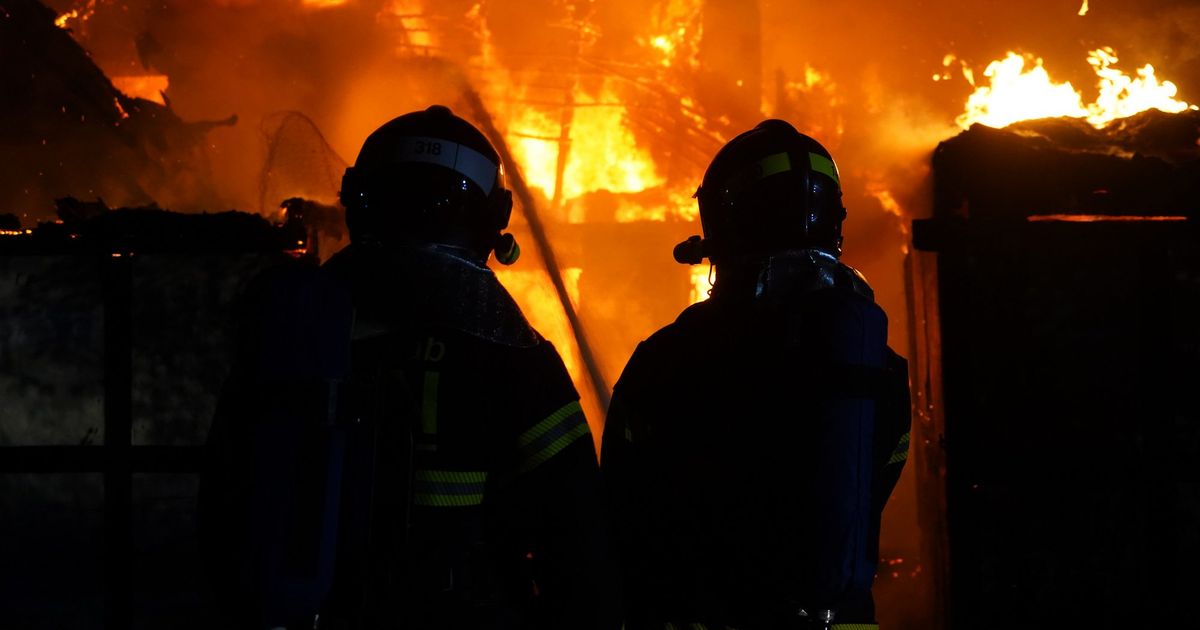
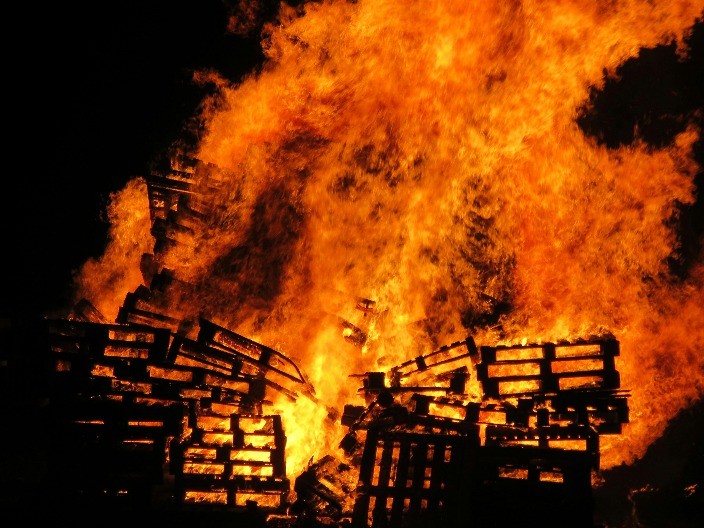
A fire broke out in a prefabricated rental house in the Park-šuma Zagorič area of Podgorica, where single mother Danijela Mladenović lived with her three children, destroying the structure and almost all of the family’s belongings. Both opposition and pro-government outlets describe how the older daughter first noticed the fire, rescued her younger sister, and then cut the electricity, with no fatalities reported but the home rendered unusable and the family effectively left without shelter. They agree that the blaze spread quickly through the lightweight structure, that it occurred in the context of already precarious living conditions, and that the mother had been a tenant in the house for around two years before the incident.
Across both camps, coverage converges on the context of social vulnerability and the probable technical cause of the accident. Media on both sides note that the family was already in a difficult economic situation before the fire, frame the event as a humanitarian emergency, and highlight that an electrical fault in the power supply is suspected as the source of the blaze. They commonly reference the role of local institutions such as social services, municipal authorities, and the power utility as relevant actors for follow-up support, and present the event as part of a wider pattern in which low-income families in substandard housing are disproportionately exposed to risks from faulty installations and inadequate safety standards.
Responsibility and blame. Opposition-aligned sources tend to emphasize institutional failure, arguing that municipal and state bodies neglected the family’s precarious housing conditions and did not properly supervise or enforce electrical safety standards in low-income rentals. Pro-government outlets, by contrast, foreground the technical nature of the incident, referring to a probable electrical fault as an unfortunate accident rather than the result of systemic negligence. While opposition coverage frames the fire as a predictable consequence of long-term policy shortcomings, pro-government reporting generally avoids assigning direct blame to state structures and treats the event as an isolated tragedy.
Institutional response and solidarity. Opposition media typically stress delays, gaps, or insufficiency in the reaction of social services and local authorities, questioning whether emergency housing, financial aid, and follow-up support are being provided quickly and transparently. Pro-government outlets are more likely to spotlight prompt engagement by firefighters, local officials, and any announced assistance measures, portraying the state as responsive and compassionate. Where opposition coverage underscores the reliance on neighbors’ help and grassroots fundraising as evidence of institutional weakness, pro-government reporting uses those same solidarity gestures to complement, rather than substitute for, official support.
Framing of the family’s situation. Opposition narratives often situate the family’s loss within a broader critique of poverty, housing insecurity, and the treatment of single-parent households, suggesting that systemic socio-economic policies left them in a dangerous rental arrangement. Pro-government sources, meanwhile, focus more on the human-interest dimension, emphasizing the courage of the older daughter and the emotional toll on the mother and children, but with less explicit linkage to structural inequality or policy debates. As a result, opposition reporting uses the case to illustrate wider social injustice, whereas pro-government coverage presents it mainly as a personal misfortune deserving compassion.
Use of the case in broader political debate. Opposition-aligned outlets tend to reference previous similar incidents and tie this fire to ongoing political disputes over social housing, regulatory oversight, and budget priorities, implicitly criticizing the current governing structures. Pro-government media generally avoid overt politicization, treating the event as non-partisan and limiting any broader discussion to generic calls for safety awareness and community support. Thus, what opposition coverage elevates as a symbol of governance failures, pro-government coverage keeps within the frame of a tragic but apolitical event.
In summary, opposition coverage tends to frame the fire as a symptom of deeper institutional and socio-economic failures that endangered a vulnerable family, while pro-government coverage tends to depict it as a tragic, largely accidental incident in which state and community actors are portrayed as responsive and supportive.
pro-government
The cause of the fire is most likely a bad power surge.
2 months ago