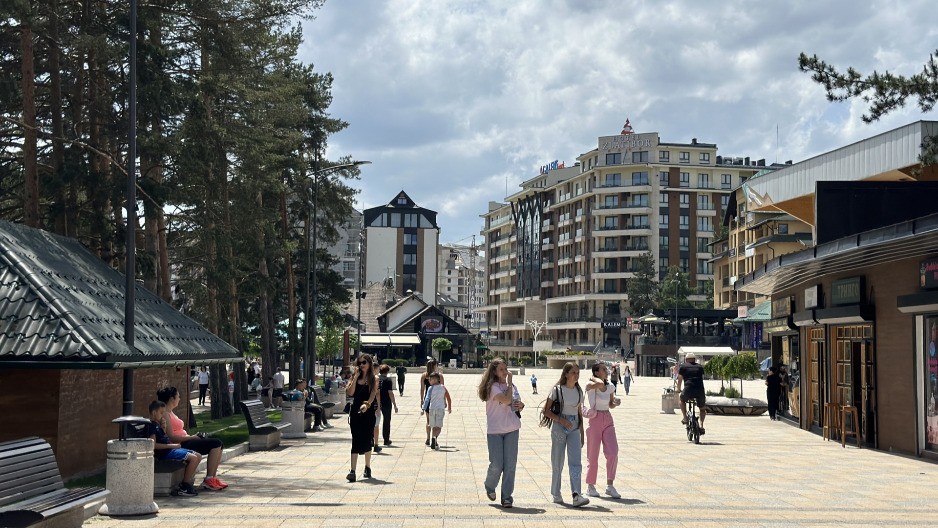
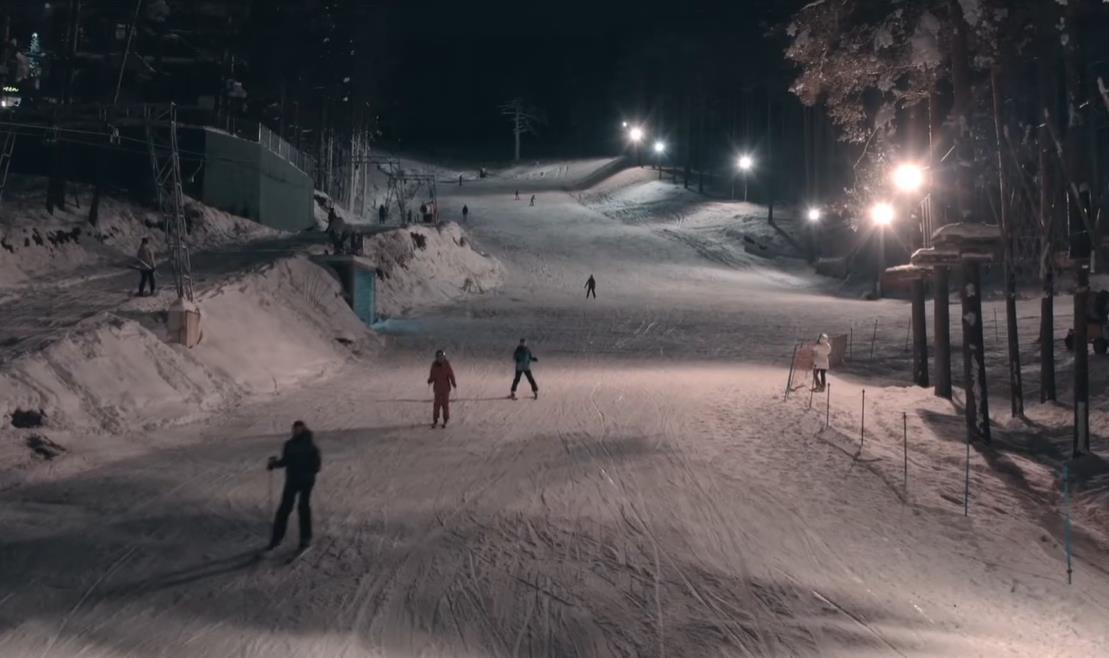
Zlatibor recorded more than 1.29 million overnight stays in 2025, representing roughly a 6% increase compared with the previous year and confirming its status as Serbia’s second most visited destination after Belgrade. Across the year’s 365 days, the mountain welcomed about 456,000 visitors, with total arrivals growing by nearly 8% and foreign overnights rising by more than 24%, pointing to stronger international interest and a narrowing gap between domestic and foreign guests.
Both sides describe a multi-year trend of tourist growth on Zlatibor supported by new accommodation capacity, upgraded infrastructure, and expanded leisure and hospitality offerings. They reference cooperation between public institutions and private investors, local tourism organizations, and sustained promotional campaigns as key background factors, situating Zlatibor within broader national tourism development strategies and positioning it as a flagship example of Serbia’s mountain-tourism boom.
Points of Contention
Drivers of success. Opposition-aligned outlets typically frame Zlatibor’s numbers as the result of organic market potential, private investment, and entrepreneurs succeeding despite systemic state shortcomings, while pro-government media emphasize deliberate state planning, local self-government, and ruling-party-backed projects as central drivers. Pro-government coverage credits strategic development documents, targeted subsidies, and infrastructure financed or facilitated by the government. Opposition sources, when they cover the story, tend to downplay or question the effectiveness of these official programs, arguing that demand would have grown even more with less politicization and more rule-of-law and environmental safeguards.
Quality versus quantity. Opposition reporting generally questions whether the rise to 1.29 million overnight stays translates into higher living standards, better-paid jobs, or improved public services for locals, highlighting issues such as seasonal, low-wage work and strains on utilities. Pro-government outlets, by contrast, present the raw growth in arrivals and overnight stays as a direct proxy for development, insisting that job creation, small-business openings, and rising fiscal revenues prove that tourism expansion is broadly beneficial. Where pro-government media stress full accommodation capacities and continuous seasonality as successes, opposition sources flag hidden costs like congestion, pressure on healthcare and education, and unbalanced urbanization.
Regulation and urban development. Opposition-aligned sources usually interpret Zlatibor’s tourism boom through the lens of overconstruction, lax enforcement, and alleged clientelist ties between developers and authorities, warning that unplanned building may undermine the area’s long-term appeal. Pro-government coverage instead depicts construction and new facilities as evidence of modernization and competitiveness, using the 2025 record figures to argue that regulatory policy is working and that investors have confidence in local governance. While opposition outlets link the tourism surge to mounting environmental and spatial-planning risks, pro-government media largely omit or minimize such concerns and keep the focus on new hotels, ski infrastructure, and leisure complexes.
National narrative and political credit. Opposition media tend to resist folding Zlatibor’s 2025 performance into a broader success story for the ruling party, often treating it as a local or private-sector achievement and cautioning against politicized triumphalism. Pro-government outlets, however, embed the Zlatibor results in a national narrative of economic revival and tourism "taking its rightful place" under current leadership, frequently quoting officials who present the numbers as validation of government policy. Where opposition coverage is more likely to treat the data in a technocratic or critical tone, pro-government pieces are explicitly celebratory, using Zlatibor as a flagship example in pre-election messaging and broader image-building for the authorities.
In summary, opposition coverage tends to acknowledge Zlatibor’s strong 2025 tourism figures while questioning who truly benefits and warning about overdevelopment and governance risks, while pro-government coverage tends to highlight the same numbers as proof of successful state-led strategy and to cast the mountain as a showcase for the ruling party’s broader economic and tourism policies.