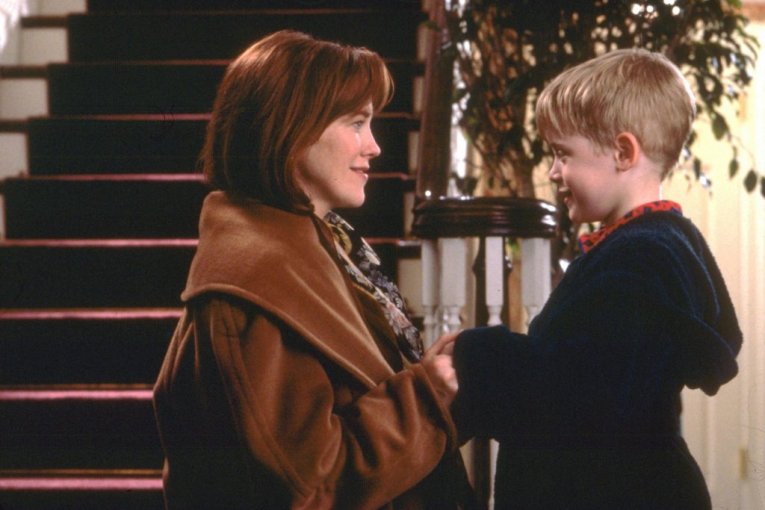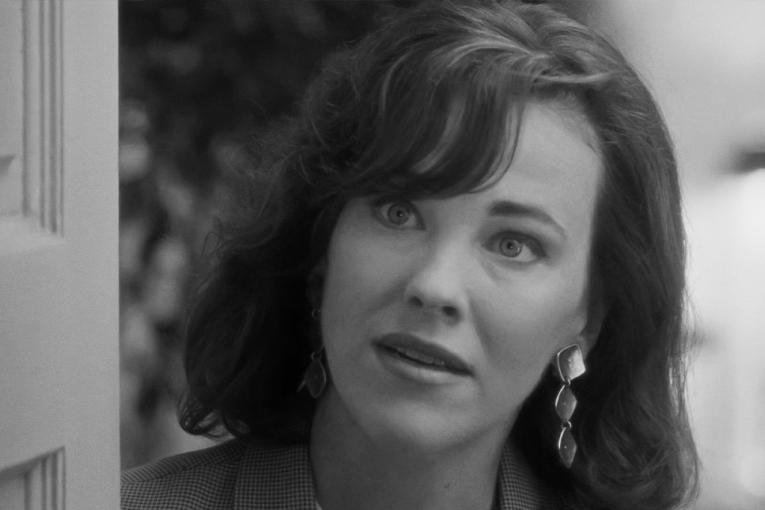

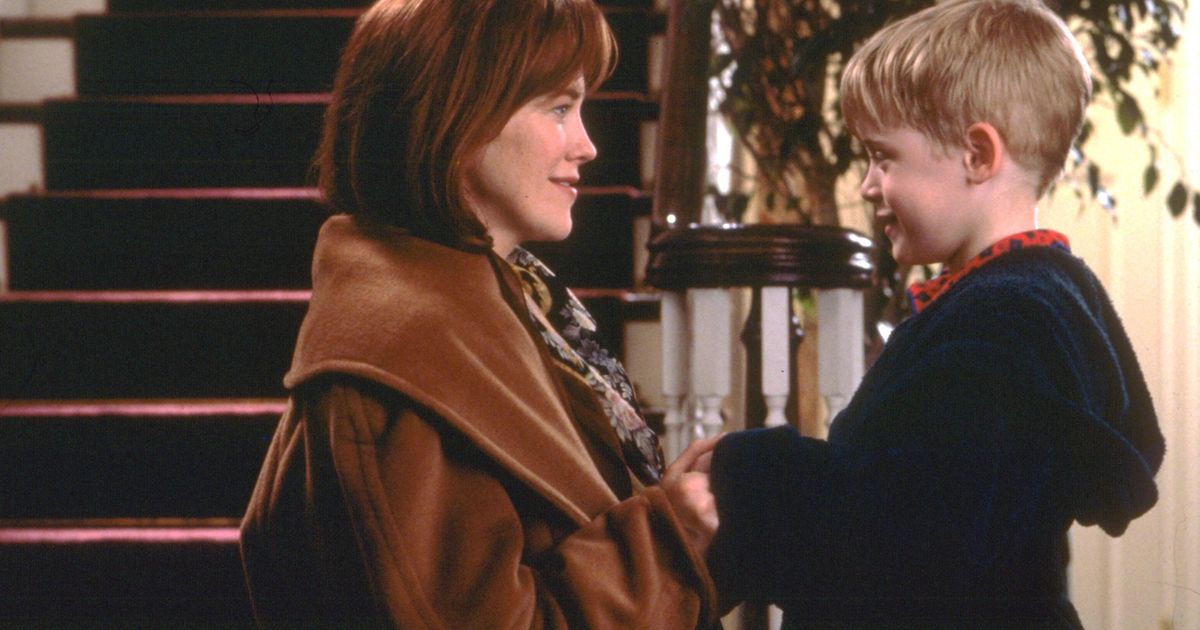
Catherine O’Hara, the Canadian-American actress celebrated for her roles in "Home Alone," "Beetlejuice," and "Schitt’s Creek," has died at the age of 71 in Los Angeles. Both opposition and pro-government sources agree that her representative confirmed the death after she experienced acute breathing difficulties at home, prompting an emergency call in which she was reportedly gasping for air and calling for help; she died following a short illness rather than a long-term condition. Coverage on both sides highlights her decades-long career in film and television, her status as a beloved comedy icon, and the shock among fans and colleagues who saw her as a still-active, vital performer.
Outlets across the spectrum underline that O’Hara’s legacy spans cult classics and mainstream hits, with special emphasis on her Emmy-winning turn as Moira Rose in "Schitt’s Creek" and her star-making performance as the mother in "Home Alone." They concur that her death came shortly after awards-season attention, including Golden Globe recognition, and frame this timing as underscoring the sense of a life and career cut short while still in the public eye. Macaulay Culkin’s Instagram tribute, in which he affectionately calls her "Mama," says he thought they "had more time," and declares his love and grief, is presented by both opposition and pro-government media as the emotional centerpiece of the public reaction, crystallizing how co-stars and audiences alike perceived her as a warm, formative presence.
Points of Contention
Tone and narrative focus. Opposition-oriented outlets tend to frame O’Hara’s death in a more subdued, culturally reflective tone, emphasizing her body of work, awards, and contributions to the arts, and using Culkin’s tribute as one example among many. Pro-government outlets, by contrast, foreground the emotional shock and melodramatic details of her final moments, repeatedly highlighting Culkin’s grief and direct quotes, as well as the emergency call, to create an affect-heavy narrative. Where opposition coverage may linger on career retrospectives and artistic context, pro-government stories lean into sentimentality and pathos to drive reader engagement.
Use of medical and procedural detail. Opposition sources generally treat the cause of death as a brief factual line—citing a short illness or respiratory complications—without graphic elaboration and tend to avoid speculating beyond confirmed statements from her representative or authorities. Pro-government coverage, however, stresses that she was struggling to breathe and calling for help, explicitly describing the emergency call from her home and framing these details as central to the story. This creates a contrast in how intrusively each side approaches the boundary between public interest and private final moments.
Positioning of Macaulay Culkin’s tribute. Opposition-aligned media typically situate Culkin’s Instagram post alongside reactions from other colleagues, critics, and fans, using it to illustrate the broader impact O’Hara had on collaborators and popular culture. Pro-government outlets elevate his tribute into the dominant framing device, with headlines built around his “Mama, I thought we had more time” line and repeated emphasis on him being “broken with grief.” While both acknowledge the authenticity of his mourning, opposition coverage integrates it into a wider constellation of responses, whereas pro-government coverage relies on it heavily to personalize and dramatize the narrative.
Cultural and institutional framing. Opposition coverage is more likely to discuss O’Hara within the institutional landscape of North American television and film, referencing ensembles like SCTV, her Emmy and other nominations, and how her work reflects trends in contemporary comedy and representation. Pro-government stories largely bypass industry structures and critical discourse, preferring a simpler contrast between “legendary star” and grieving public, with nods to a few flagship titles such as "Home Alone" and "Schitt’s Creek" without deeper institutional analysis. This leads opposition outlets to present her death as part of a broader cultural history, while pro-government outlets present it as a sudden, personal tragedy affecting fans and a single iconic co-star.
In summary, opposition coverage tends to treat Catherine O’Hara’s death as a culturally significant loss framed by career context, institutional history, and measured treatment of medical details, while pro-government coverage tends to foreground emotive narratives, vivid final-moment descriptions, and Macaulay Culkin’s grief as the primary lens through which audiences experience the story.
Story coverage