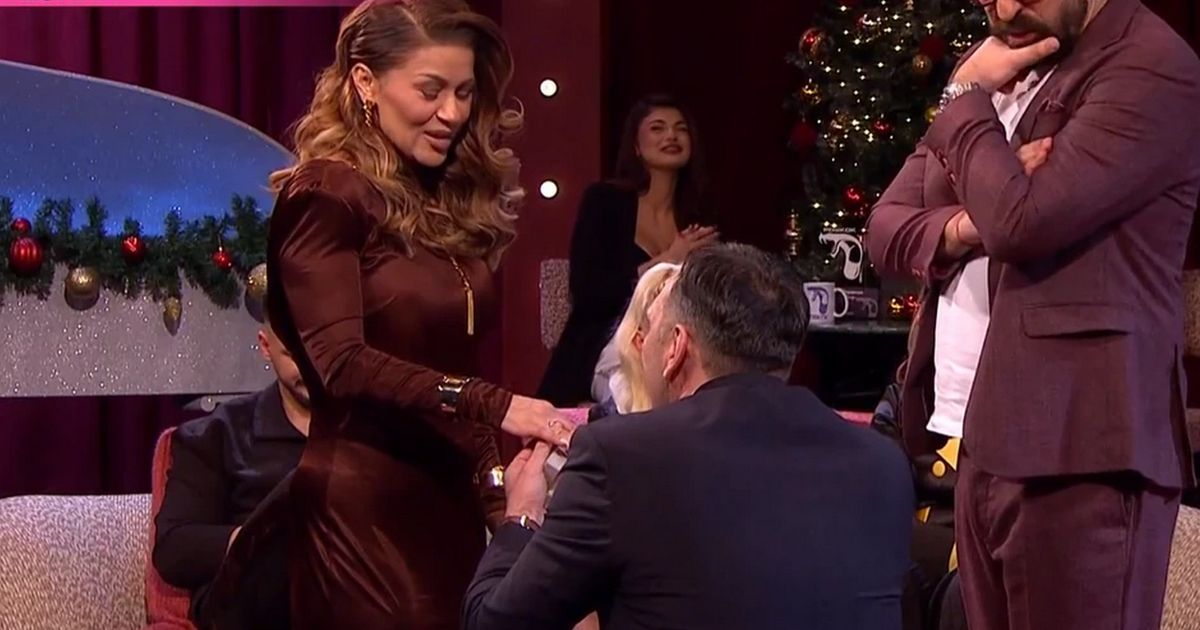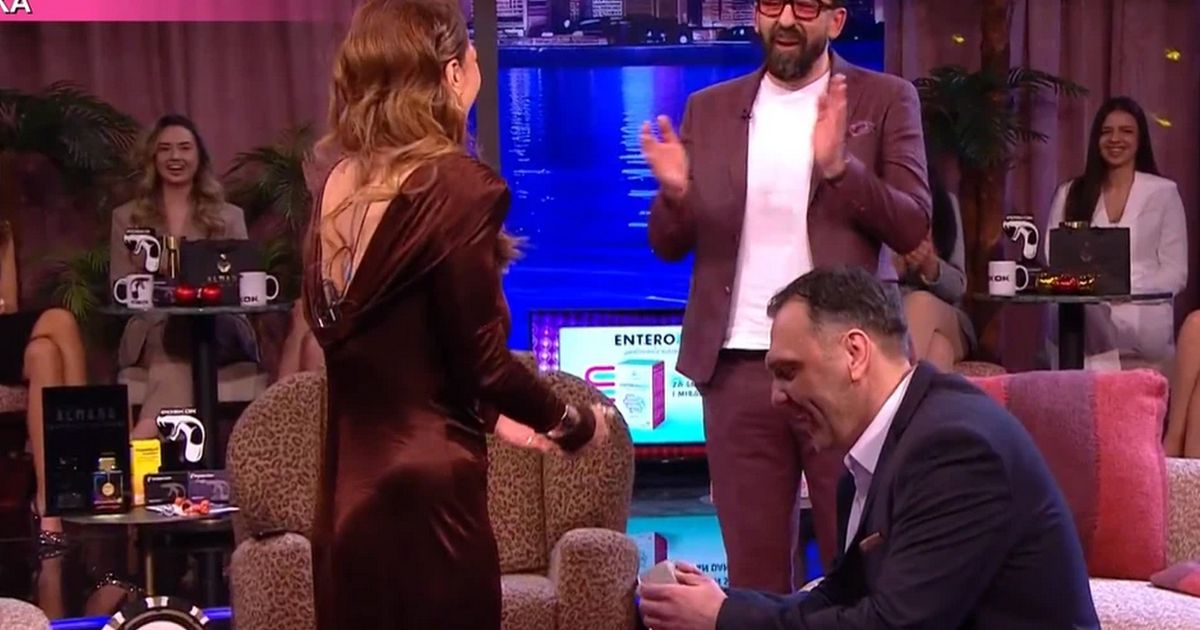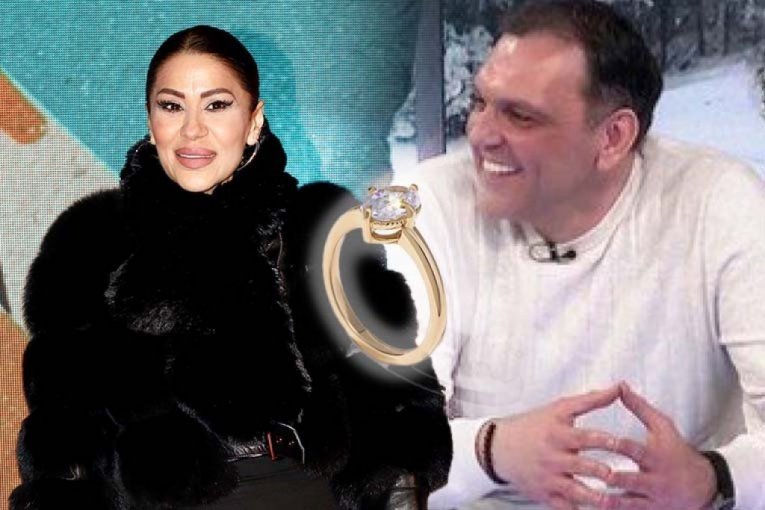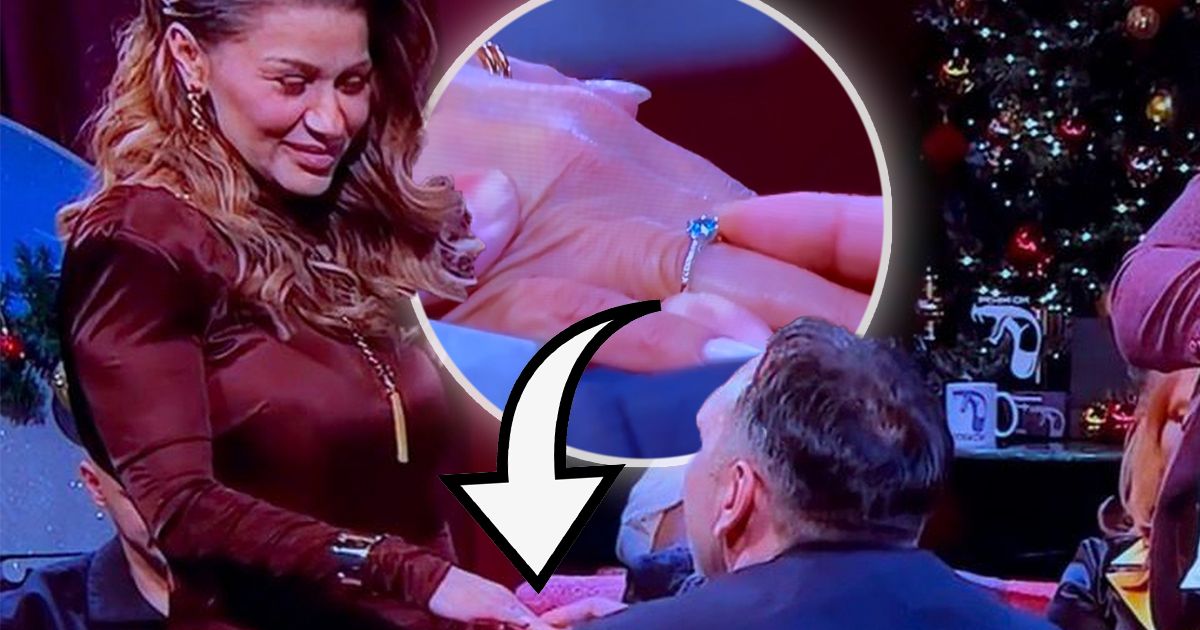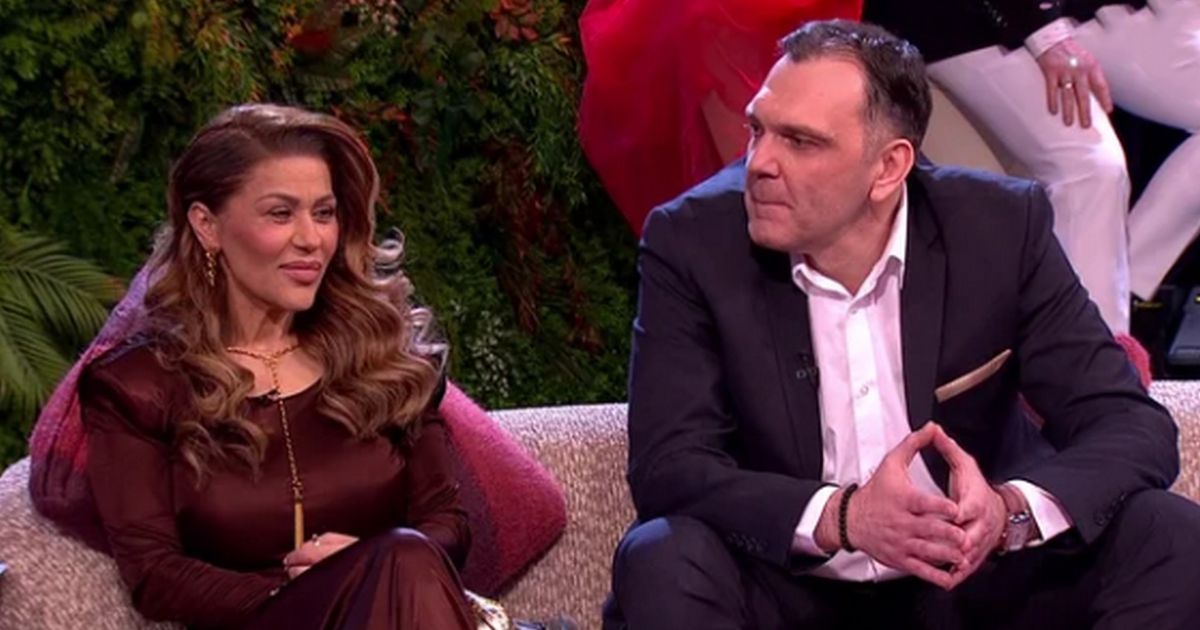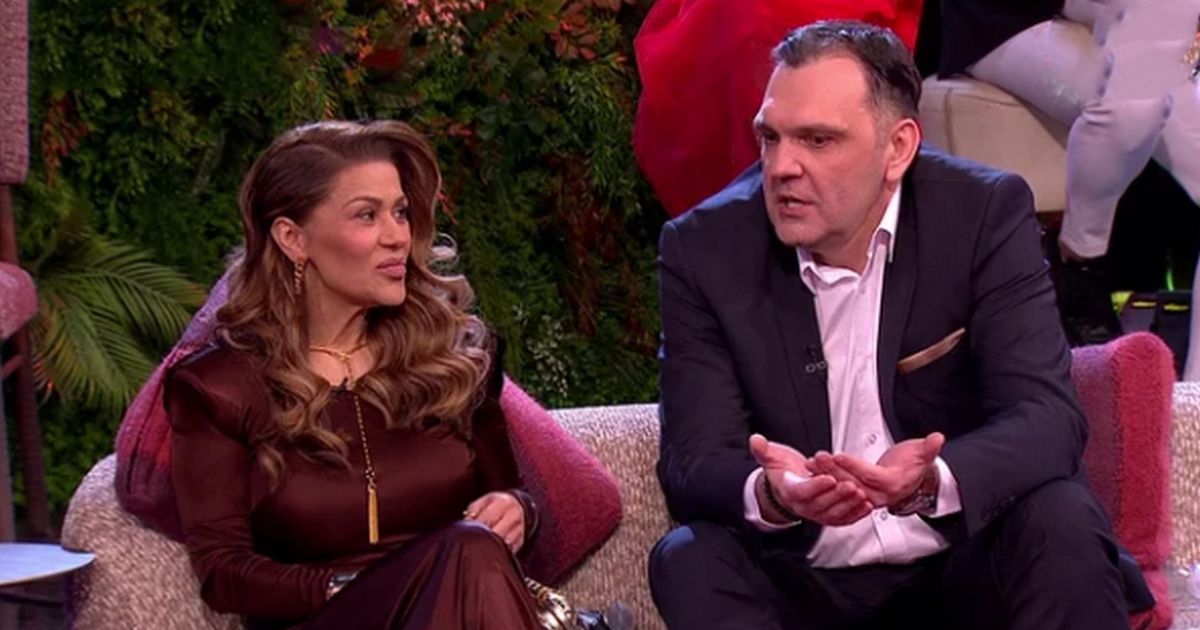

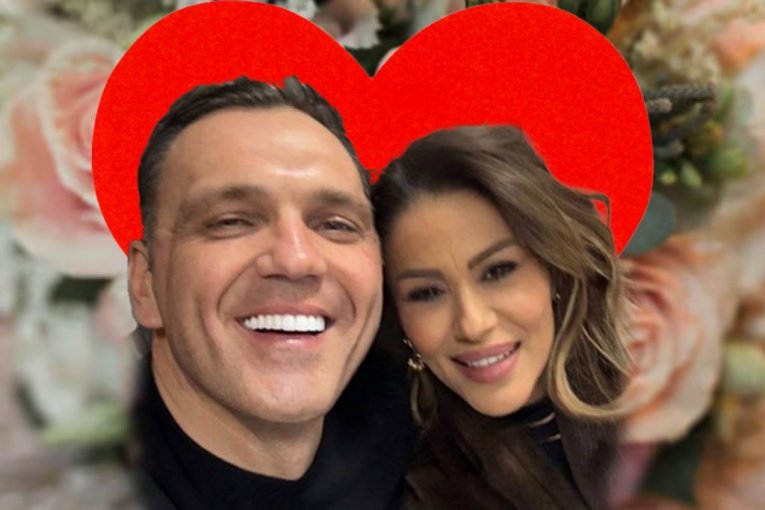
Singer Mina Kostić and her partner Mane Ćuruvija, known as Kasper, are reported across the spectrum to have gotten engaged during a live broadcast of the TV entertainment program "Amidži šou". Both opposition and pro-government outlets agree that the proposal happened in the studio in front of cameras and a live audience, that Kasper produced a ring described as featuring blue topaz with diamonds, and that Kostić immediately accepted and said "yes". Reporting from both sides consistently notes that their romance began online, developed through months of long-distance communication and video calls across borders, and culminated in Kasper’s arrival in Serbia and their subsequent cohabitation. They also concur that the couple has quickly become a social media talking point, with clips of the proposal widely shared and discussed.
There is broad agreement in both camps that the relationship was preceded by roughly six or more months of long‑distance contact, that their first in‑person meeting reportedly went smoothly without major conflict, and that both partners publicly emphasize a sense of destiny or premonition about one another. Coverage notes shared contextual elements: Kostić’s established status as a folk singer, Kasper’s relatively lower public profile, and the role of entertainment talk shows like "Amidži šou" as platforms where celebrity private lives are turned into televised spectacle. Both sides acknowledge that Kasper disclosed on air that he had been married before, that Mina claimed to have a good relationship with his parents, and that they frame their story in terms of overcoming public judgment and past relationships. The broader media environment is also portrayed similarly, with tabloids and TV formats eagerly amplifying the emotional drama, visual details of the ring, and the couple’s statements about forgiveness, faith in love, and their plans for a shared future.
Points of Contention
Framing of the spectacle. Opposition-aligned outlets tend to frame the live proposal as an example of hyper-produced infotainment that distracts from more serious social and political issues, describing it as part of a culture where emotional celebrity moments are leveraged to boost ratings. Pro-government media, by contrast, present the proposal primarily as heartwarming entertainment and proof that domestic TV can create memorable, positive moments for viewers. Where opposition coverage may emphasize the calculated timing and staging of the event in a prime-time studio, pro-government outlets highlight the spontaneity and romance, treating production elements as harmless show-business packaging rather than manipulation.
Use of private life in public media. Opposition sources are more likely to question the ethical line between public and private, suggesting that Kostić’s intimate life is being commodified and that broadcasters close to the authorities normalize invasive coverage of celebrities to keep audiences emotionally hooked. Pro-government outlets instead celebrate the openness of the couple, arguing that sharing their love story, including the proposal and earlier relationship “drama,” helps viewers relate to them and humanizes well-known personalities. While opposition coverage may warn about a broader trend of reality-style exposure promoted by regime-friendly channels, pro-government coverage treats the same exposure as voluntary self-disclosure and a legitimate form of modern entertainment.
Narrative around Kasper’s previous marriage and criticism. Opposition-leaning media tend to dwell more on Kasper’s on-air revelation that he was previously married and on the public skepticism or criticism surrounding the speed and intensity of the relationship, sometimes using it to question the authenticity of the televised narrative. Pro-government outlets generally mention the prior marriage only briefly, quickly foregrounding Mina’s forgiveness and their message that “people judge, but we have moved on” as a lesson in tolerance and second chances. Where opposition accounts may interpret the surprise disclosure as a jarring TV twist inserted for drama, pro-government stories fold it into a redemptive arc that emphasizes emotional honesty and reconciliation.
Political subtext and media loyalty. Opposition coverage often situates the proposal within a pattern where entertainment shows aligned with the ruling camp dominate the airwaves, arguing that such viral romantic moments help these channels maintain soft power and deflect attention from governance problems. Pro-government reporting downplays or ignores any political dimension, portraying "Amidži šou" as ideologically neutral fun and rejecting the idea that a celebrity engagement could meaningfully serve political agendas. Thus, while opposition outlets might subtly link the program’s prominence to its perceived closeness to power, pro-government media insist that audience interest stems purely from the personalities involved and the emotional charge of the moment.
In summary, opposition coverage tends to treat the live proposal as a carefully staged media product with problematic commercialization and a thinly veiled role in a politicized entertainment ecosystem, while pro-government coverage tends to present it as an uplifting, apolitical love story that showcases the emotional appeal and cultural centrality of mainstream television entertainment.
Story coverage