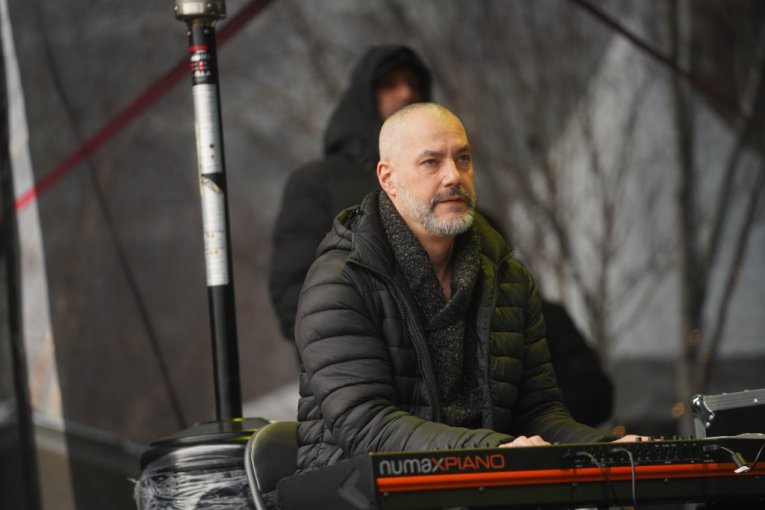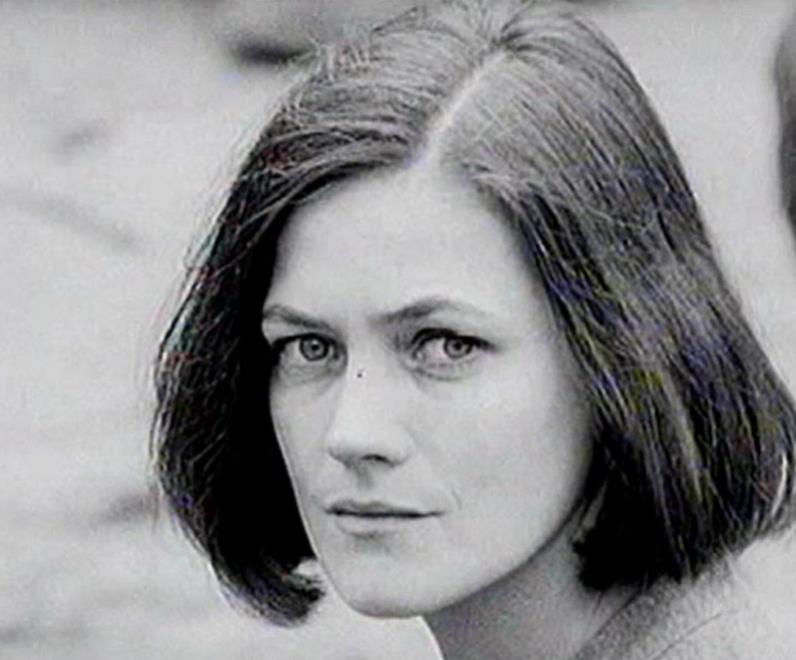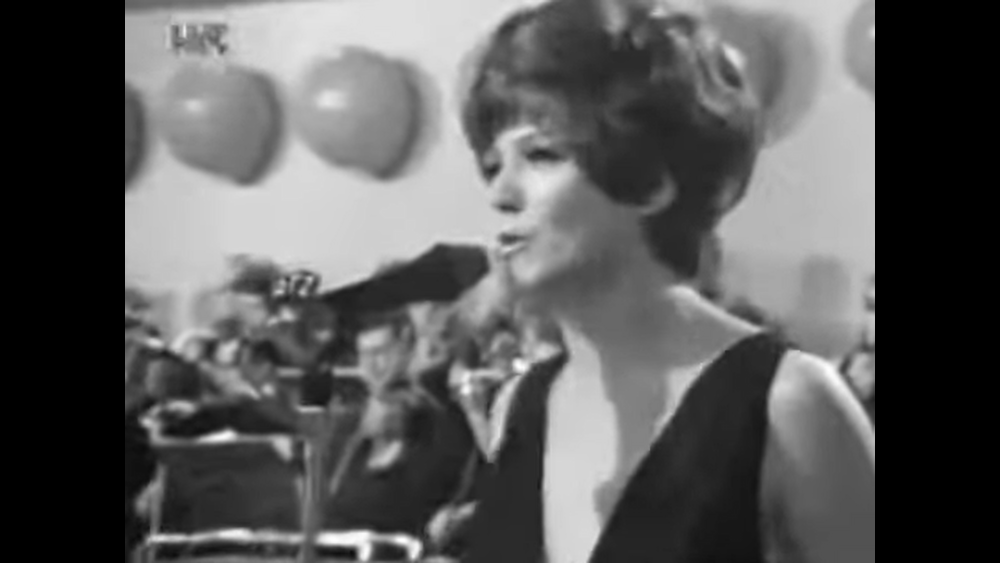





Renowned Yugoslav singer and actress Senka Veletanlić has died after a prolonged and serious illness, with most outlets reporting that she was 90 years old at the time of her death, though some note 89. Both opposition and pro-government media agree she passed away quietly and peacefully, in her sleep, and that the news was made public by her son, musician Vasil Hadžimanov, who shared an emotional tribute emphasizing her dignity and grace. Coverage on both sides highlights that she was a major musical and cultural figure in the former Yugoslavia, that she was both a singer and an actress, and that her death prompted numerous condolences and public expressions of grief from colleagues, friends, and admirers.
Across the spectrum, outlets situate her within the broader Yugoslav and Serbian cultural canon, stressing that she began her professional music career around 1960 and quickly became known for popular music, chansons, and elegant festival performances. Both opposition and pro-government sources underscore her artistic versatility, mentioning her acting roles, her festival successes, and signature songs such as "Noć bez zvezda," as well as duets and collaborations with close family and other prominent artists. Her long marriage to actor and artist Zafir Hadžimanov is consistently depicted as a key part of her life story and a symbol of an artistic partnership, while her legacy is framed as that of a refined, era-defining performer whose work helped shape the cultural memory of Yugoslavia and contemporary Serbia.
Points of Contention
Age and career framing. Opposition outlets predominantly state that Veletanlić died at the age of 90 and frame her career starting clearly in 1960, while some pro-government outlets alternately report her as 89 and suggest that her artistic trajectory began in the 1950s before her breakthrough at Opatija 1960. Opposition coverage tends to present these biographical details in a straightforward, archival tone, emphasizing professional milestones more than exact dates. Pro-government coverage, however, uses the ambiguity around age and early career to construct a more dramatic narrative of a long, storied rise from choir singer to festival star, even when precise dates appear slightly inconsistent.
Tone and emotional focus. Opposition-aligned media adopt a restrained, nostalgic tone, emphasizing her dignity, quiet passing, and lifelong artistic dedication while avoiding sensational language about illness or death. Pro-government outlets lean into emotionally charged phrasing, using expressions like "the voice of an era was extinguished" and highlighting her son's grief, as well as quoting her stark reflections on wanting a quick death. This creates a contrast between more measured biographical remembrance on the opposition side and more pathos-driven, almost tabloid-style storytelling on the pro-government side.
Private life and legacy emphasis. Opposition sources give greater space to the love story and marriage between Veletanlić and Zafir Hadžimanov, presenting their relationship as a model of mutual artistic support and emphasizing family continuity through their son Vasil. Pro-government outlets mention the marriage and son primarily to underline her status as the mother of a well-known musician, then pivot quickly back to her star persona, hit songs, and festival appearances. As a result, opposition coverage tends to balance her public achievements with a narrative of personal integrity and partnership, while pro-government pieces foreground her iconic status and glamorous public image.
Context of cultural era. Opposition media generally situate her within the broader Yugoslav cultural space, evoking the shared regional legacy of festivals, chanson, and television, but without tying her story to current political narratives. Pro-government outlets more explicitly frame her as a symbol of a bygone "epoch," using her death to underscore themes of national and generational loss and to elevate the emotional weight of contemporary remembrance. This gives opposition coverage a more archival, historically grounded context, while pro-government coverage implicitly connects her passing to a nostalgic narrative of national cultural decline and the end of an era.
In summary, opposition coverage tends to memorialize Senka Veletanlić with a calm, archival tone that balances her professional achievements and personal life, while pro-government coverage tends to dramatize her biography and death with heightened emotional language, nostalgic national framing, and a more sensational presentation of her final years and illness.