
pro-government
PUTIN PROPOSED CEASEFIRE! Trump Agreed
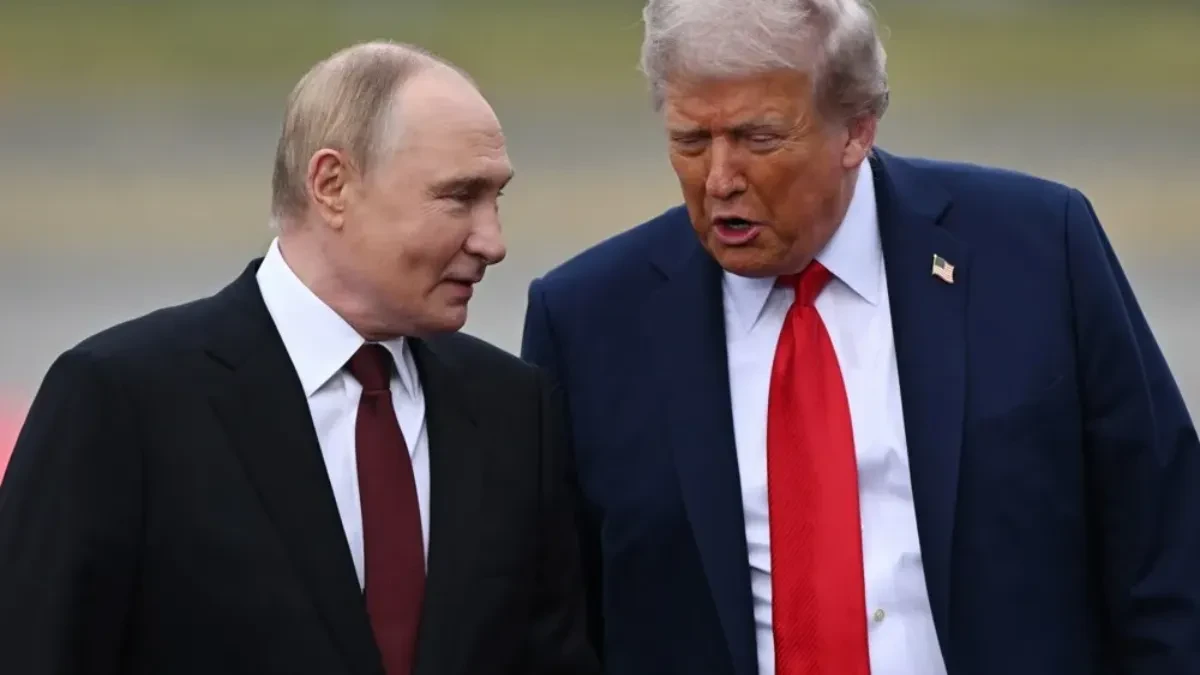
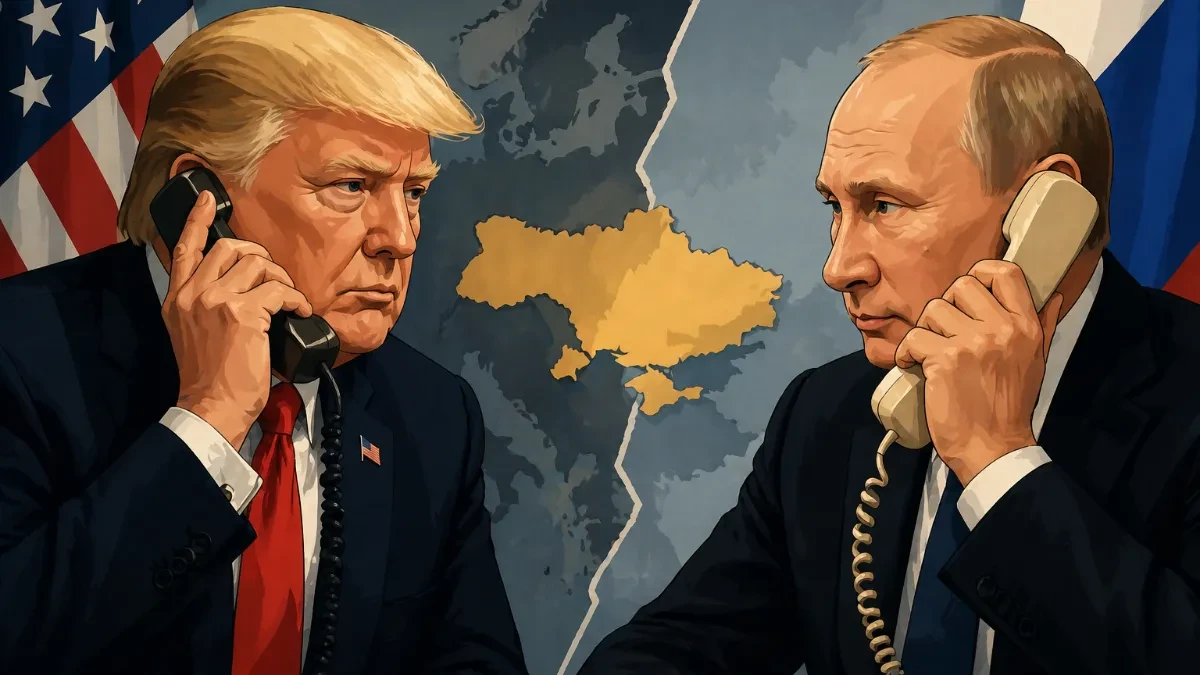
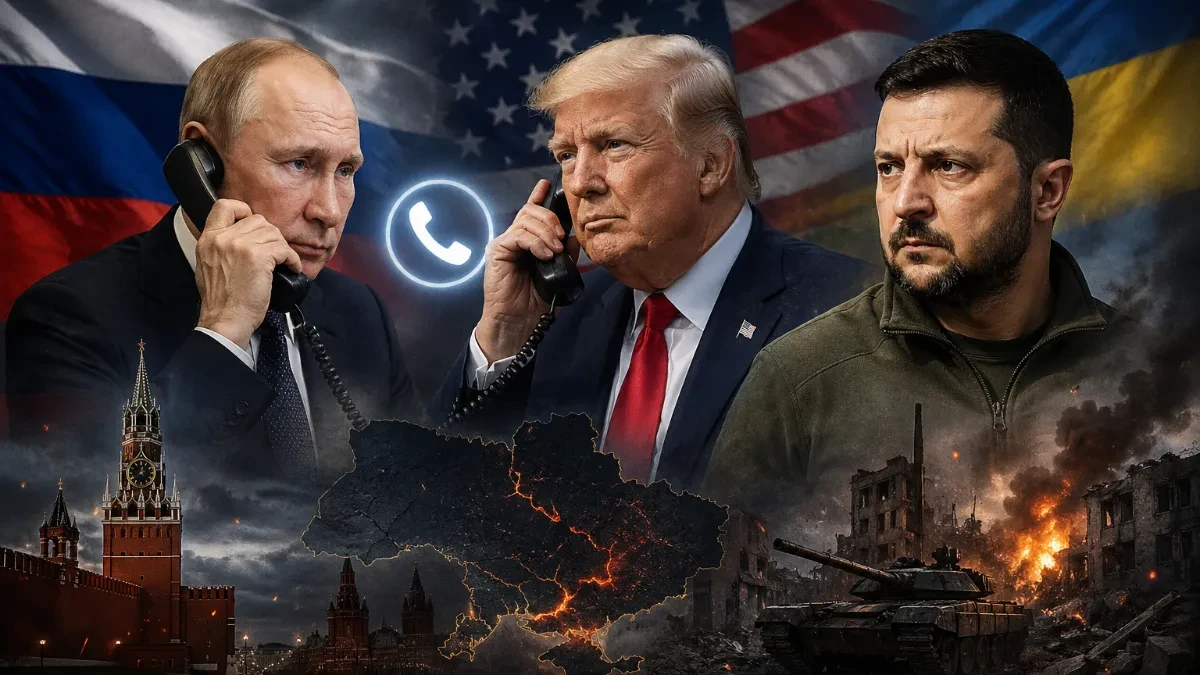
Vladimir Putin proposed a temporary ceasefire during Victory Day, and Donald Trump supported the idea during a phone call about Ukraine and the Middle East.
a day ago
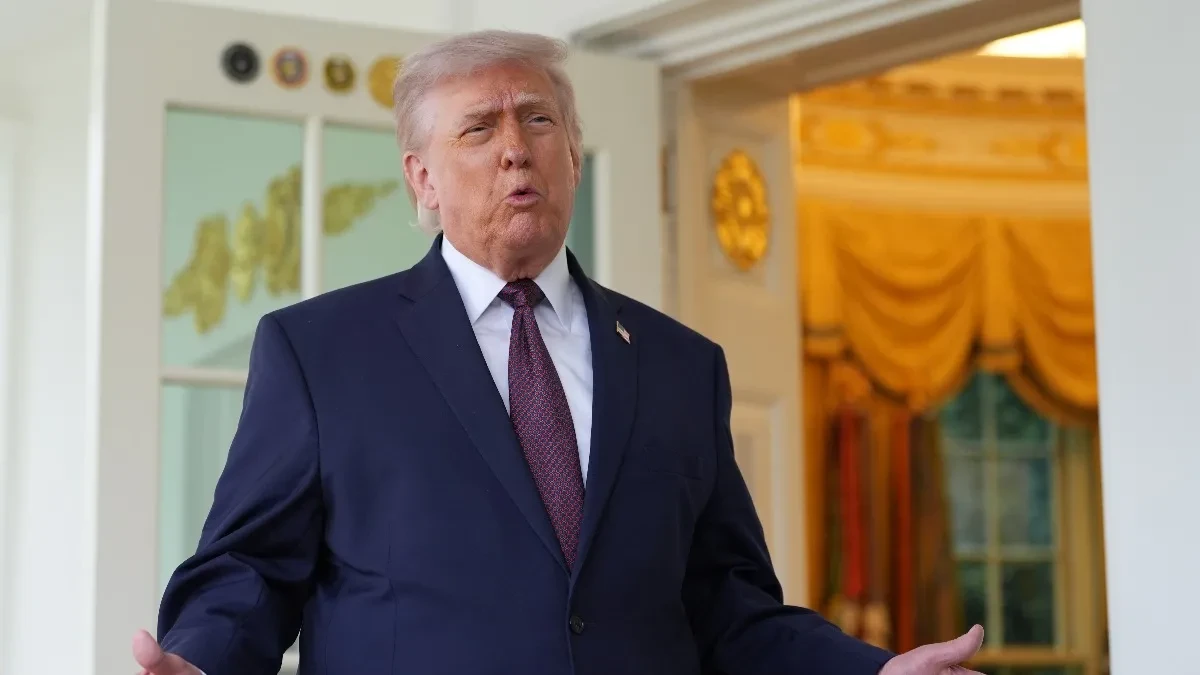
Donald Trump and Vladimir Putin are reported to have held a phone conversation of roughly ninety minutes on April 29, during which the war in Ukraine was a central topic alongside broader issues in the Middle East and Iran. Both opposition and pro-government reporting agree that Trump publicly claimed Putin offered a temporary ceasefire in Ukraine to coincide with Victory Day in Russia, and that Trump said he was receptive to or in agreement with the idea. Across coverage, there is acknowledgment that Trump has portrayed Ukraine as suffering heavy losses and being in a difficult battlefield position, and that he has suggested a peace deal is within reach or was close at hand if certain conditions or actors allowed it. Both sides also recognize that Trump framed the call as part of his broader promise to quickly end the Ukraine war if he returns to power, positioning himself as a potential broker between Moscow and Kyiv.
Shared context across opposition and pro-government coverage highlights that the call and ceasefire talk come amid a long-running Russian invasion of Ukraine, persistent Western military and financial support for Kyiv, and stalled or fragmented diplomatic efforts. Both sides acknowledge that any credible ceasefire or peace settlement would involve not just Russia and Ukraine but also the United States and European allies, given their role in sanctions, arms supplies, and security guarantees. There is agreement that Putin’s proposal, as described by Trump and Russian officials, is framed around a temporary halt in fighting rather than a fully negotiated political settlement, and that it would intersect with existing diplomatic tracks including prisoner exchanges and humanitarian steps. Coverage on both sides also situates the episode within Trump’s established pattern of asserting he has a unique personal rapport with Putin and could leverage that relationship to reshape or accelerate negotiations over Ukraine.
Nature and credibility of the ceasefire offer. Opposition-aligned outlets generally treat Trump’s claim that Putin offered a Victory Day ceasefire with skepticism, portraying it as a politically convenient narrative that lacks independent verification and could mask Russian efforts to lock in territorial gains. Pro-government outlets present the ceasefire offer as concrete and sincere, emphasizing Putin’s stated readiness to halt hostilities and Trump’s agreement as proof that peace is realistically achievable. While opposition coverage highlights the absence of formal diplomatic corroboration and warns of potential propaganda value for Moscow, pro-government coverage stresses the length and detail of the call as evidence that substantial peace terms were discussed.
Assignment of responsibility for prolonging the war. Opposition coverage tends to frame Russia and Putin as the primary aggressors and main obstacle to peace, noting that any ceasefire must be judged against Russia’s ongoing offensive actions and occupation of Ukrainian territory. Pro-government outlets instead echo Trump and Putin in placing blame primarily on Ukrainian President Volodymyr Zelensky and his Western backers, arguing that Kyiv’s "escalatory" policies and European support are what extend the conflict. Where opposition sources stress that Ukraine is defending its sovereignty against invasion, pro-government sources emphasize Zelensky’s supposed refusal to negotiate and depict him as personally responsible for continued bloodshed.
Portrayal of Ukraine’s military situation. Opposition-aligned media typically acknowledges Ukraine’s heavy losses but rejects Trump’s assertion that Ukraine is militarily "defeated," instead describing a fluid front with ongoing Ukrainian resistance and continued Western aid. Pro-government outlets adopt or amplify Trump’s language about Ukraine’s defeat, citing dramatic figures about destroyed ships and aircraft and framing the Ukrainian military as effectively crushed. Opposition coverage criticizes such claims as exaggerated or unsubstantiated and warns that declaring Ukraine defeated undermines its bargaining position, whereas pro-government coverage uses these assertions to justify a ceasefire on terms favorable to Russia and to argue that further Ukrainian resistance is futile.
Motives of Trump and Putin. Opposition coverage frequently suggests that Trump’s account of the call serves his electoral narrative, casting himself as a peacemaker while downplaying Russian culpability and aligning rhetorically with Kremlin interests. Pro-government outlets depict Trump and Putin as pragmatic leaders jointly seeking to stop the war quickly, portraying their convergence as a constructive alternative to what they describe as war-driven elites in Kyiv, Washington, and Europe. While opposition sources question whether Trump is legitimizing Russian demands and undermining existing diplomatic frameworks, pro-government sources argue that entrenched Western institutions and unnamed actors are blocking a sensible settlement that Trump and Putin are ready to endorse.
In summary, opposition coverage tends to question the reality and intent of the alleged ceasefire offer, emphasize Russia’s responsibility for the war, and dispute claims of Ukraine’s total defeat, while pro-government coverage tends to treat the offer as genuine, cast Zelensky and Western allies as the main impediments to peace, and present Trump and Putin as aligned realists pushing for a swift end to a war Ukraine is portrayed as already having lost.