

pro-government
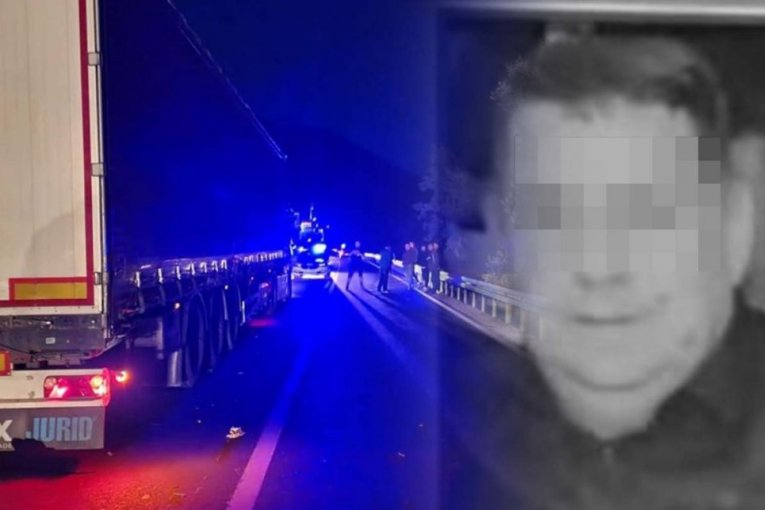
ПОГИБ KAMIONDZIJA! STRAVIČNA NESREĆA U ARANĐELOVACU: JASMINA POKOSIO AUTOMOBIL DOK JE PRILAZIO SVOM ŠLEPERU!
Vozač automobila, prema prvim saznanjima, nije kočio pre udara.
2 days ago
A truck driver, identified as 55‑year‑old Jasmin O. from Prijepolje, was killed in a traffic accident in Aranđelovac when a car hit him as he was approaching or getting into his parked truck. Both opposition and pro‑government outlets agree that the vehicle was a Renault driven by a young man of about 21 years, that the impact threw the victim several dozen meters, and that he died at the scene before medical help could save him.
Coverage from both sides notes that the accident occurred in the vicinity of Jasmin’s truck rather than while he was driving, and that the exact circumstances are the subject of an ongoing investigation. They also agree that preliminary information suggests the car driver may not have braked before impact, though only an official inquiry can confirm this, and they reference standard investigative procedures and traffic safety norms as the framework within which responsibility and causes will be formally determined.
Causation and fault. Opposition‑aligned sources emphasize systemic issues such as road safety standards, enforcement gaps, and possible speeding or distraction as likely contributing factors, framing the young driver’s behavior within a broader pattern of impunity. Pro‑government outlets focus more narrowly on the individual actions of the car’s driver and the tragic coincidence of the victim’s family history, often repeating that the investigation will determine whether he failed to brake without speculating further. While opposition media hint at structural negligence and demand accountability from institutions, pro‑government reports treat the crash as an unfortunate but isolated incident pending official findings.
Institutional responsibility. Opposition coverage tends to question whether police, local authorities, and transport regulators have adequately enforced traffic rules in the area, asking if better signage, speed control, or inspections could have prevented the death. Pro‑government sources, by contrast, largely present institutions as active and responsible, stressing that police are on the scene, procedures are being followed, and experts will clarify what happened. Opposition outlets thus use the case to illustrate perceived chronic failures of governance, whereas pro‑government outlets refrain from criticizing institutions and highlight procedural normality.
Broader narrative and framing. Opposition media situate the accident within a wider narrative of frequent fatal crashes, underfunded infrastructure, and inadequate reforms, implying that this death is symptomatic of deeper policy problems. Pro‑government outlets foreground the human‑interest angle, focusing on Jasmin’s personality, his father’s similar fate, and general safety advice for drivers, without tying the case to systemic political criticisms. As a result, opposition stories read as part of a critique of the current government’s road safety record, while pro‑government stories frame the event as a personal tragedy accompanied by practical reminders.
Policy and reform debate. Opposition‑aligned reporting uses the accident to call for stricter enforcement, clearer obligations for drivers, and accelerated traffic law reforms, sometimes suggesting that existing regulations are poorly implemented. Pro‑government coverage, while occasionally listing the mandatory procedures after an accident and emphasizing reflective vests, hazard lights, and securing the scene, tends to present these rules as already sufficient if followed. Opposition outlets press for change and political accountability, whereas pro‑government outlets focus on citizen behavior within the current legal framework rather than on the need to overhaul it.
In summary, opposition coverage tends to portray the Aranđelovac crash as part of a broader pattern of institutional and policy failures demanding accountability and reform, while pro-government coverage tends to frame it as an individual tragedy within an otherwise adequate system, stressing official procedures, human-interest details, and general safety guidance rather than systemic blame.