




pro-government
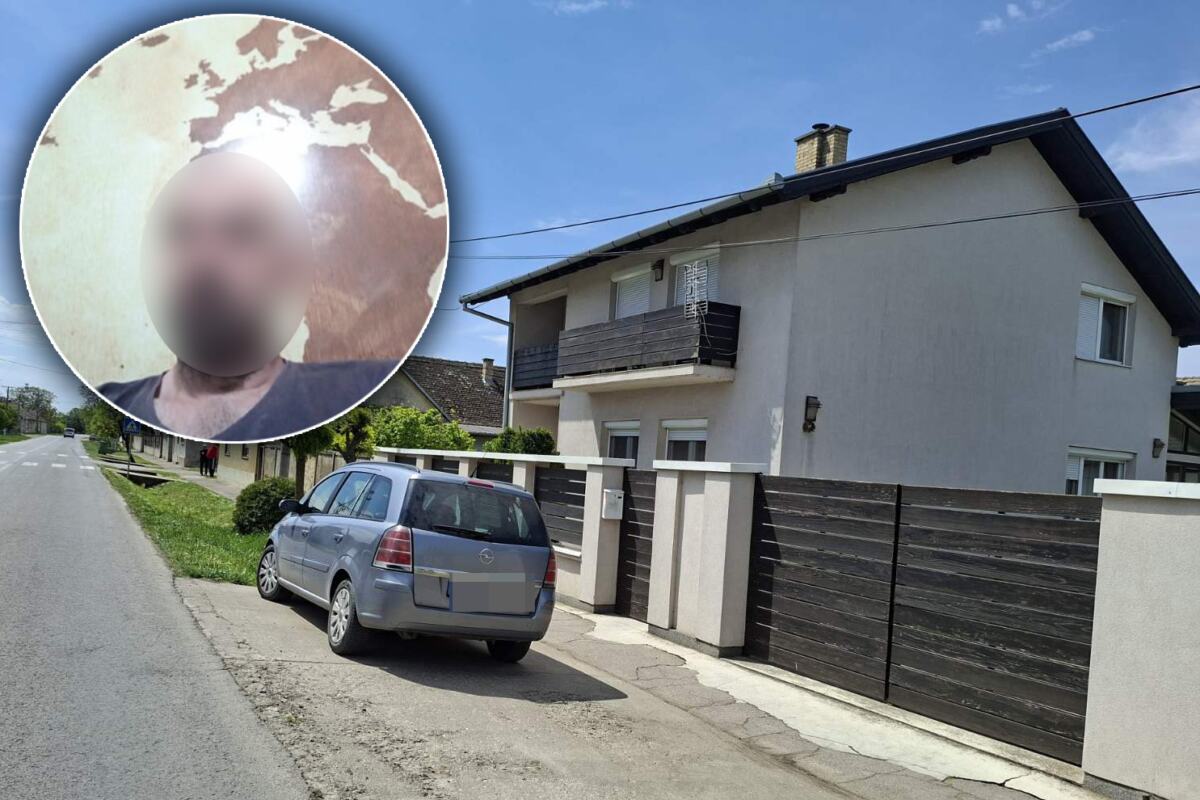
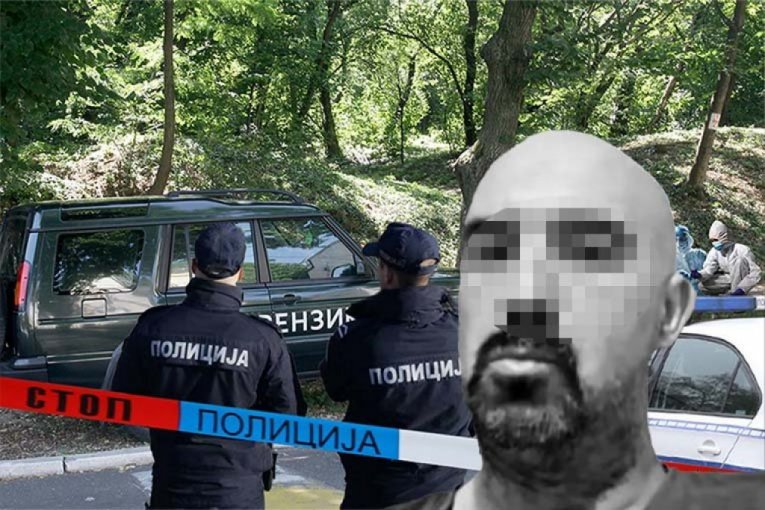
THIS IS SINISA KILLED BY HIS BROTHER The frenzied man also killed himself (PHOTO)
Siniša T. (53) was killed early this morning in a family house in the Sombor village of Stapar.
2 days ago
A family tragedy in the village of Stapar near Sombor is reported in broadly similar factual terms: two brothers, identified as Siniša T. (around 53 years old) and his older brother Radovan T. (around 59), were found with gunshot wounds in their mother's house, with the younger brother dead at the scene and the older brother later dying in hospital. Police statements and aligned media reports agree that Radovan is believed to have shot and killed Siniša before attempting suicide with the same weapon, that emergency services transferred him to a clinical center in critical condition where he died despite resuscitation efforts, and that their mother discovered the aftermath and alerted authorities.
Coverage also converges on contextual elements: the crime took place in a quiet rural setting near Sombor, both brothers were considered prominent or at least well known in the village, and Siniša had recent involvement in local politics. Outlets on both sides agree that the precise motive is unknown and under investigation, that the incident is being handled as a murder–suicide within a family, and that institutional actors such as the police and medical services followed standard procedures in crime-scene processing, transport, and intensive care, framing the event as a shocking but isolated act of intrafamilial violence.
Political relevance and framing. Opposition-aligned sources tend to highlight that the victim had been active in local politics and may connect the case to a broader climate of tension, informal pressures, or failures of local governance, implying the killing is not entirely apolitical. Pro-government outlets do mention his political background but mostly as a biographical detail, avoiding any suggestion that party structures or the national political environment contributed to the tragedy. Where opposition media might link the event to patterns of hostility or polarization, pro-government coverage instead stresses the personal and family nature of the conflict.
Systemic responsibility and state performance. Opposition sources are more likely to question whether institutions such as social services, mental health care, or the police missed warning signs, framing the murder–suicide as another symptom of a state that reacts only after tragedies occur. Pro-government outlets, by contrast, focus on the swift arrival of police and emergency medical teams and emphasize that all available intensive care and resuscitation measures were applied, underlining that the state apparatus functioned correctly once notified. This creates a split between a narrative of systemic failure versus one of competent institutional response to an unforeseeable act.
Social crisis versus isolated incident. Opposition coverage is inclined to slot the case into a perceived pattern of rising violence and despair in smaller communities, citing this as one more example of a deeper social and economic crisis. Pro-government media generally treat the event as a shocking but isolated family tragedy, avoiding generalized claims about village life, crime trends, or national malaise. As a result, the same facts are used either to illustrate a broader societal breakdown or to underscore the randomness and exceptional nature of the crime.
Use of sensationalism and emotional tone. Opposition outlets may employ the story to provoke debate on policy and governance, sometimes using emotive language but pivoting relatively quickly to structural critiques and calls for accountability. Pro-government outlets often lean into vivid descriptions of the crime scene, the mother's discovery, and graphic headlines, prioritizing immediacy and emotional shock while steering away from politicized analysis. This leads to a contrast between a politicizing, issue-focused tone on one side and a more tabloid, depoliticized but dramatic tone on the other.
In summary, opposition coverage tends to embed the Stapar murder–suicide within narratives of political tension, institutional shortcomings, and broader social crisis, while pro-government coverage tends to frame it as an apolitical, isolated family tragedy handled properly by state institutions and presented with a strongly emotional but system-affirming tone.