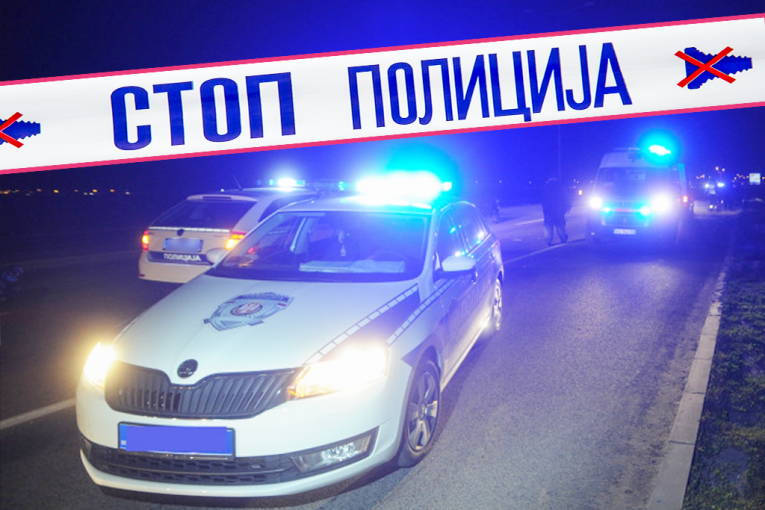
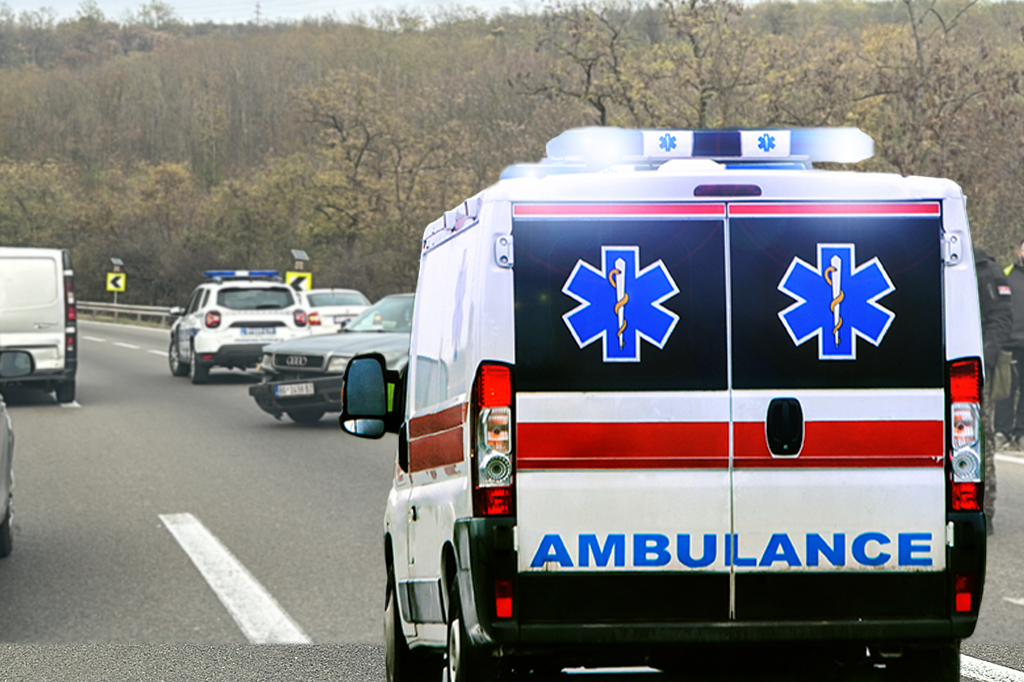
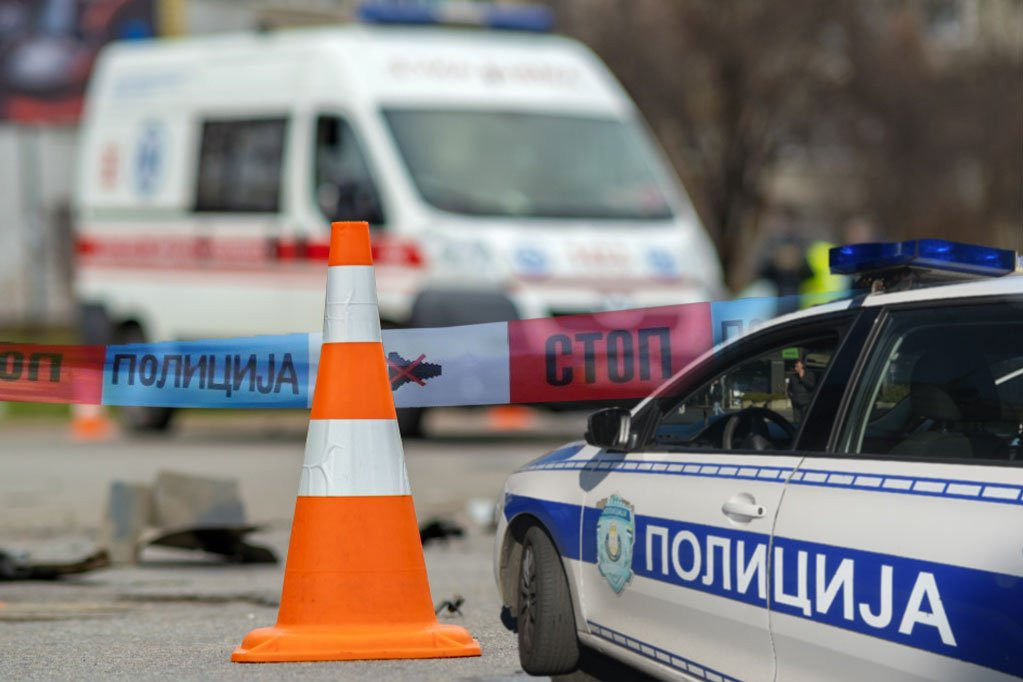
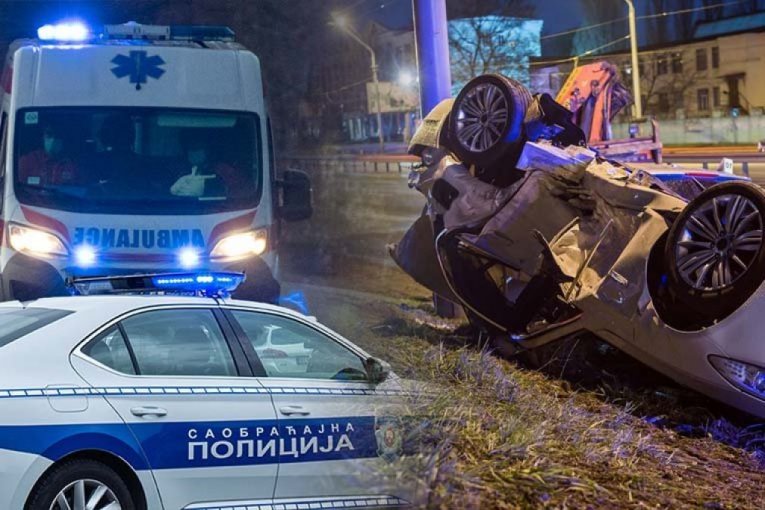
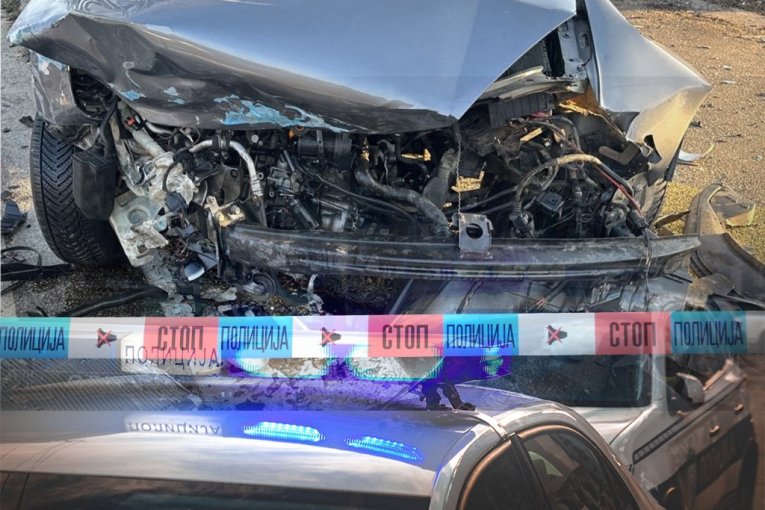
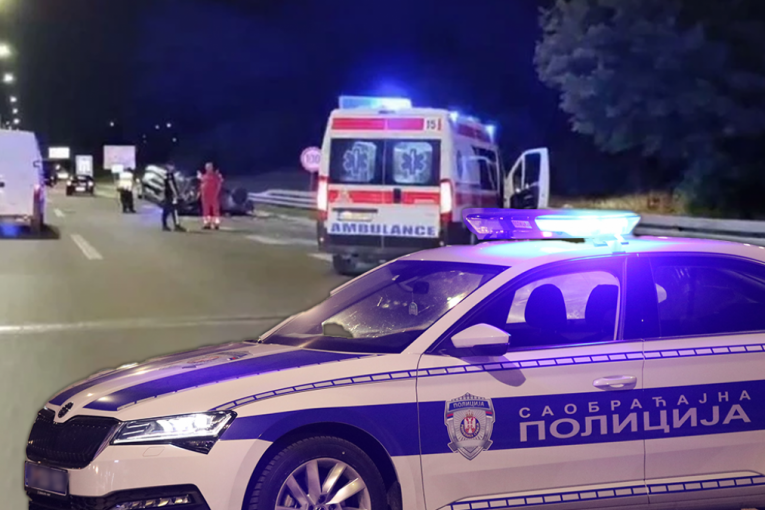
A multi-vehicle collision on the Ruma–Šabac highway near Hrtkovci resulted in four deaths and at least one person critically injured, with traffic in the direction of Ruma temporarily closed while emergency services responded. Both opposition and pro-government sources agree that a Ford travelling in the wrong direction at very high speed, around 130 km/h, collided head-on with a Volkswagen Golf carrying several young people, and that the Golf was almost completely destroyed; three people died at the scene and a fourth, the 24-year-old Golf driver from the Šabac area, succumbed to injuries later in hospital in Sremska Mitrovica. Coverage across the spectrum notes that the crash occurred early in the afternoon, around 13:30, triggered a large police and medical response, and left one young survivor in critical condition who was later urgently transported to Belgrade, while images and witness accounts describe a gruesome scene of mangled vehicles and debris on the carriageway.
Outlets on both sides embed the accident in a wider pattern of serious crashes on the Ruma–Šabac route, recalling previous fatal incidents near Ruma and evoking the memory of a well-known footballer and coach who died in a similar wreck there. They also concur that institutional actors such as the traffic police, emergency medical services and local hospitals responded swiftly, highlighting established procedures for securing the crash site, diverting traffic and treating victims, and some reports—across the spectrum—fold in standard road-safety advice about how drivers should behave after a collision. While there is agreement that excessive speed, wrong-way driving and possible driver recklessness were immediate causal factors, both sides present the event as symptomatic of broader issues in Serbian road safety and infrastructure, such as dangerous stretches of highway, insufficient prevention of wrong-way entry, and the need for stricter enforcement and public awareness to avert similar tragedies.
Areas of disagreement
Responsibility and blame. Opposition-aligned outlets tend to frame the crash as an indictment of state institutions, arguing that systemic neglect of road safety, inadequate signage and weak enforcement enabled a reckless driver to enter and continue on the wrong carriageway. Pro-government media, by contrast, almost exclusively individualize blame, portraying the Ford driver as a lone “death Ford” outlaw whose personal irresponsibility caused the tragedy, and avoid linking the case to structural or regulatory failings. Where opposition coverage points to authorities’ duty to anticipate and prevent such wrong-way incidents, pro-government pieces stress that no infrastructure can fully protect against extreme human error.
Role of the state and reforms. Opposition reporting typically uses the accident to question the effectiveness of recent transport and infrastructure projects, suggesting that the government prioritizes ribbon-cutting and political promotion over investment in comprehensive safety systems and consistent policing on regional highways. Pro-government outlets instead present the state largely as a competent responder, highlighting how quickly police and medical teams arrived, where victims were transported, and how traffic was managed, implicitly suggesting that institutions functioned properly. While opposition sources call for independent investigations, possible resignations and broader policy reviews, pro-government coverage rarely mentions reforms, presenting the crash as a tragic but exceptional event within an otherwise improving road network.
Narrative tone and focus. Opposition media generally adopt a more political and analytical tone, contextualizing the accident within statistics on fatal crashes, budget allocations and alleged corruption or mismanagement in infrastructure projects, and they give space to critics who link this and past tragedies to government failures. Pro-government outlets lean heavily on sensational visuals and witness testimonies, emphasizing the horror of the scene, the youth of the victims and the emotional shock, while steering away from overtly political debate. In opposition narratives the story becomes a symbol of systemic risk that demands accountability, whereas in pro-government narratives it is treated primarily as a human-interest tragedy that elicits sympathy but not structural critique.
Victims and public empathy. Opposition coverage tends to humanize the victims through profiles and family perspectives while tying their fate to broader claims that ordinary citizens bear the costs of flawed policy and underinvestment in safety. Pro-government media also emphasize the victims’ youth and innocence but more often fold their stories into dramatic reconstructions of the crash, sometimes juxtaposing them with memories of famous figures killed on the same road to underscore the road’s “cursed” reputation. Thus opposition outlets use victim narratives to argue the public deserves better protection from the state, while pro-government outlets use them to deepen emotional engagement without directly challenging current governance.
In summary, opposition coverage tends to connect the Ruma–Šabac highway tragedy to systemic road-safety failures and governmental accountability, while pro-government coverage tends to individualize blame on the Ford driver, accentuate the drama and emotion of the event, and portray state institutions mainly as efficient responders rather than as objects of criticism.