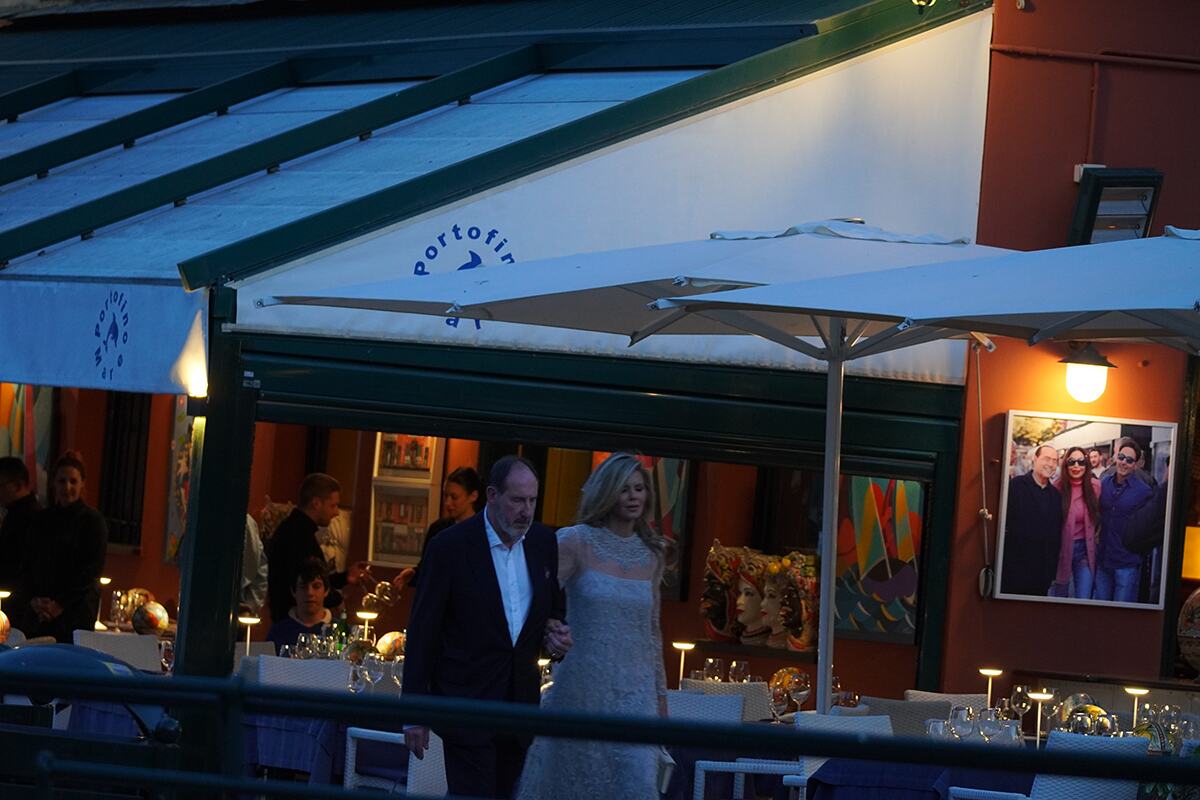
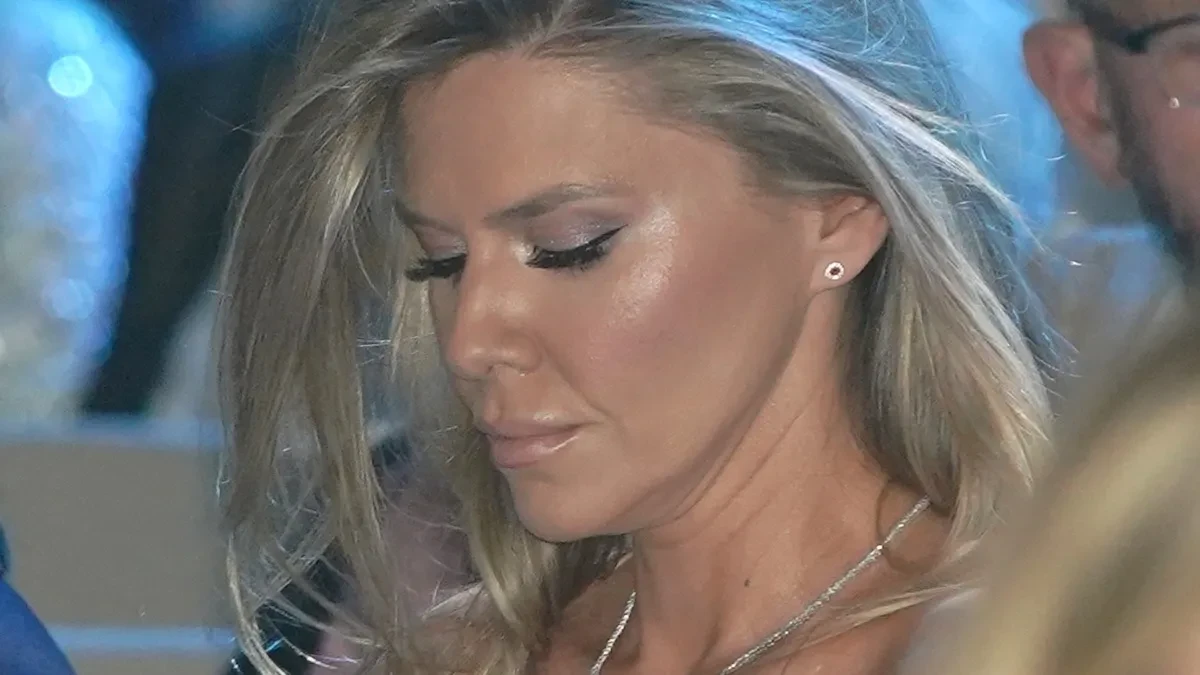
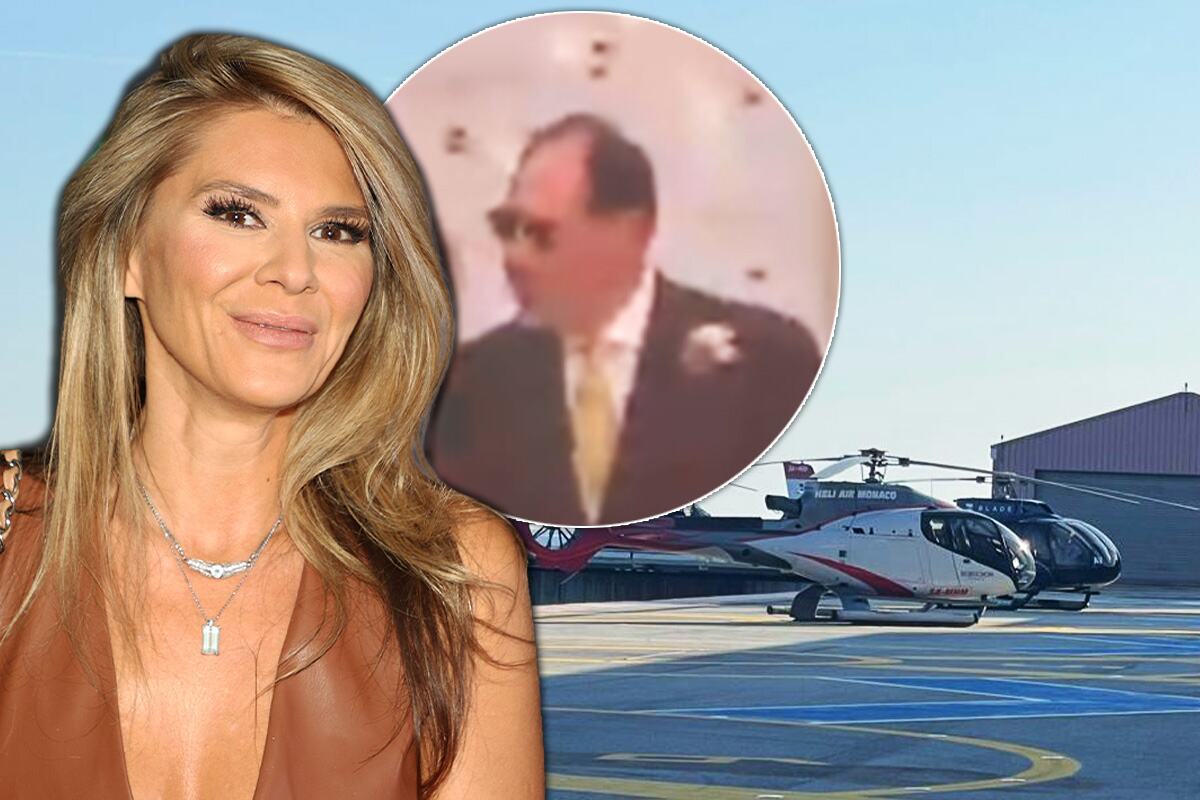
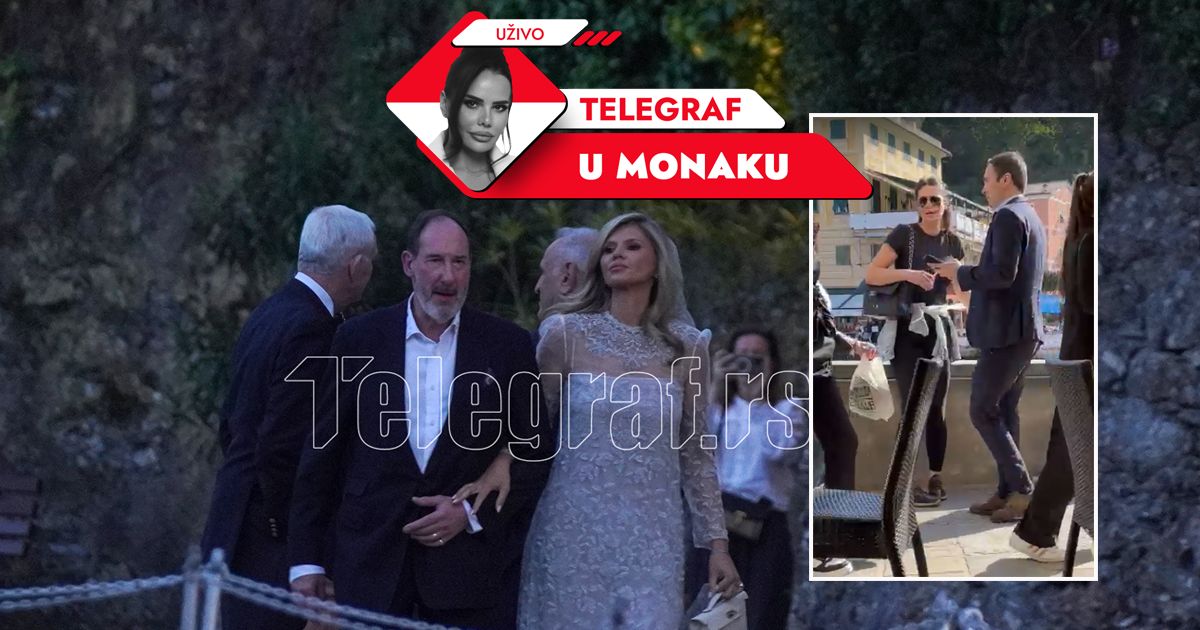
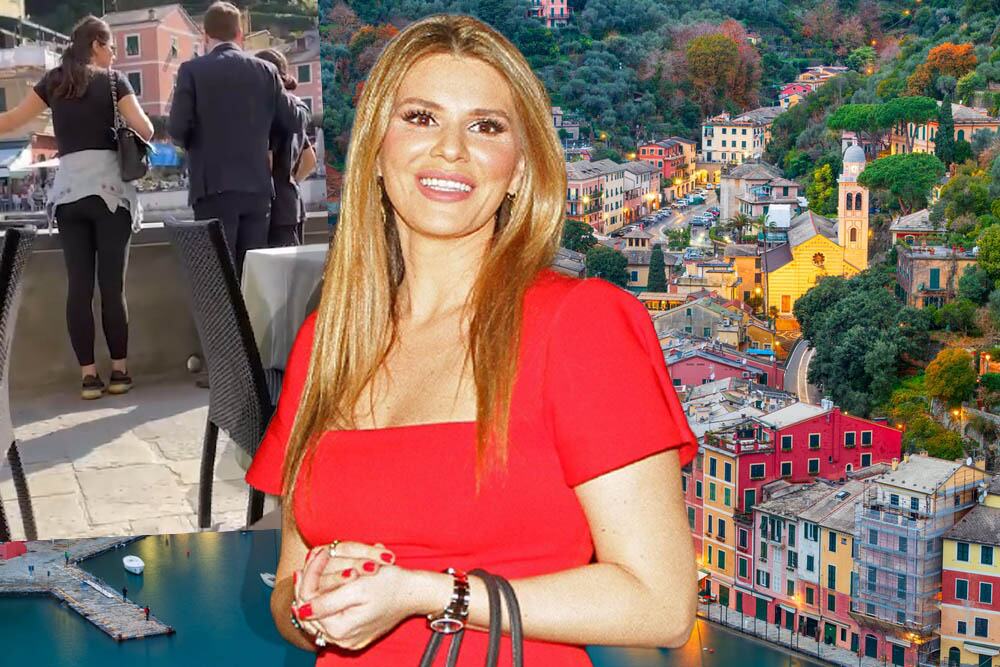
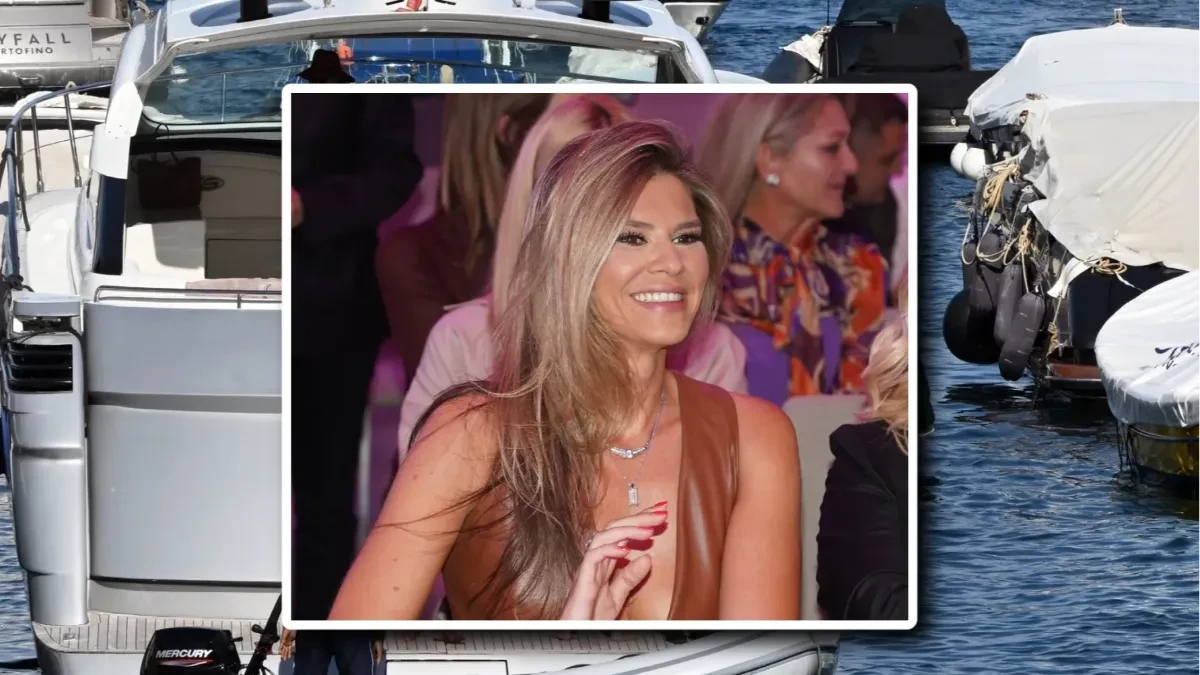
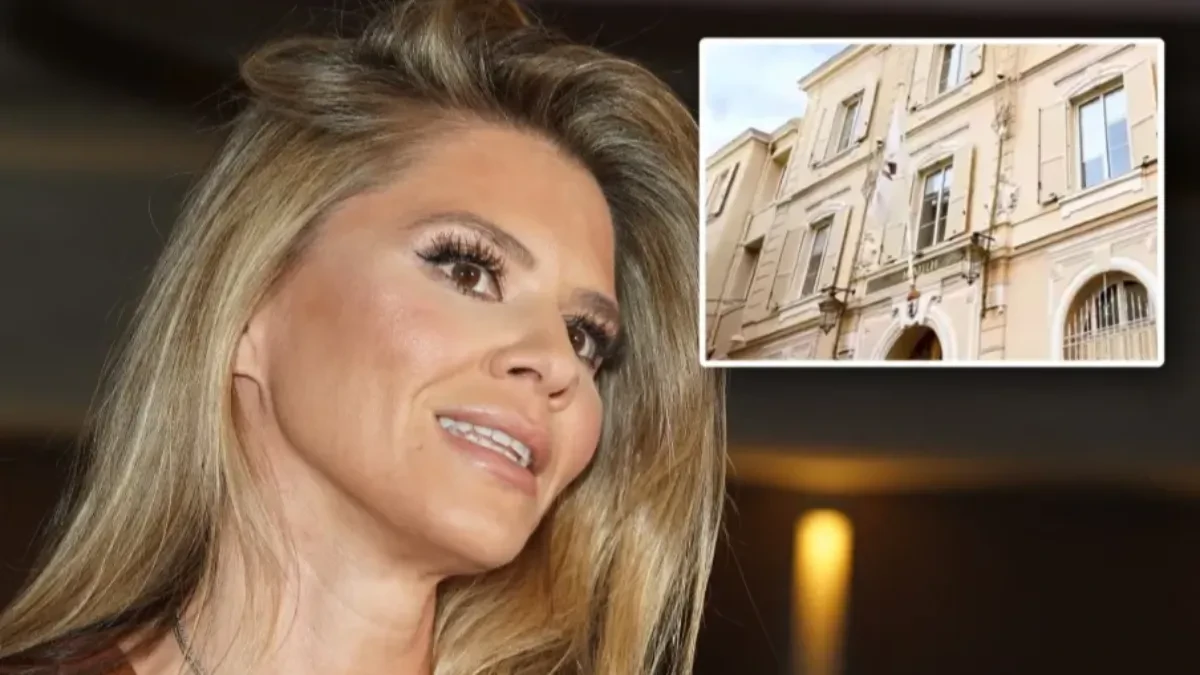
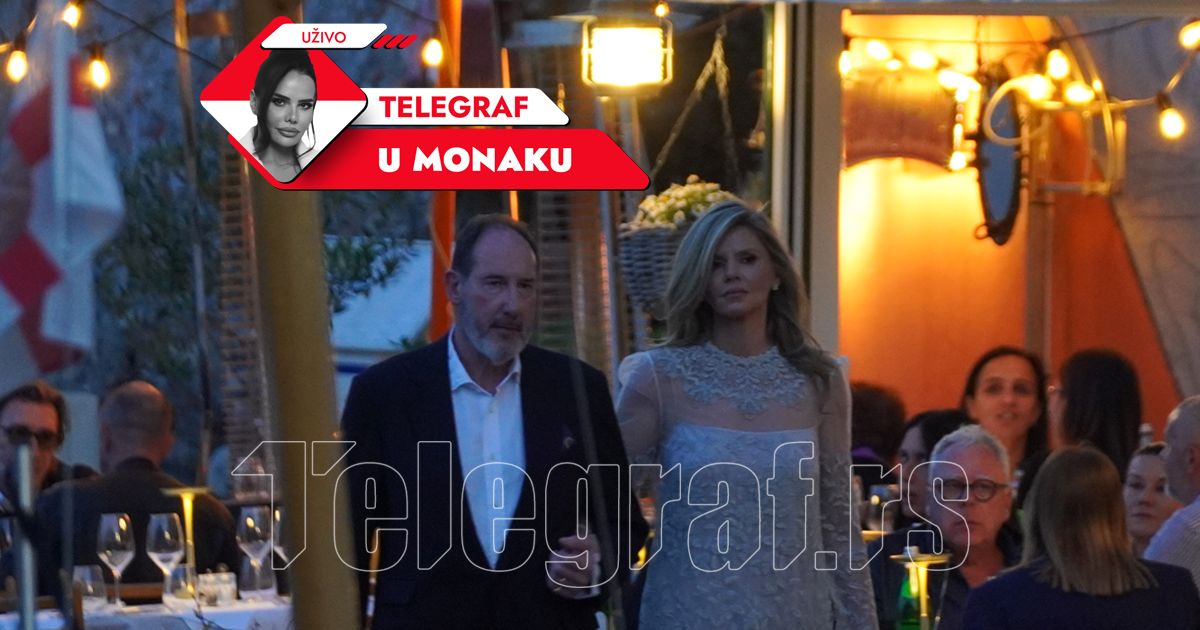
Melina Galić, also known in some reports by her former married name Džinović, entered into a second marriage with British businessman and millionaire Jeffrey Paul Arnold Day in a civil ceremony in Monaco on 18 April, attended by roughly 70 guests including close family and friends. Coverage across the spectrum agrees that the celebrations unfolded as a multi-day, multi-location event: a pre‑wedding gala on the French Riviera (Nice/Monte Carlo), the official marriage in Monaco, and an extended reception in Portofino, Italy, centered around the Splendido Mare hotel and a yacht said to be worth around 10 million euros. Reports are consistent that she wore a custom white Dior wedding dress for the civil ceremony, valued at about 8,000 euros with accessories bringing the outfit to roughly 10,000 euros, that she has taken her new husband’s surname (Arnold/Arnold Day), and that notable guests included members of the Karić family, her astrologer Vladimir Vlajić, her parents Sulejman and Elma, and her daughter Đina, who arrived late to the municipal ceremony. All outlets also describe the event as lavish and high‑profile, featuring yacht and helicopter transfers, champagne‑soaked parties, and musical performances such as the Gipsy Kings at the pre‑wedding dinner in the La Mare Germaine restaurant.
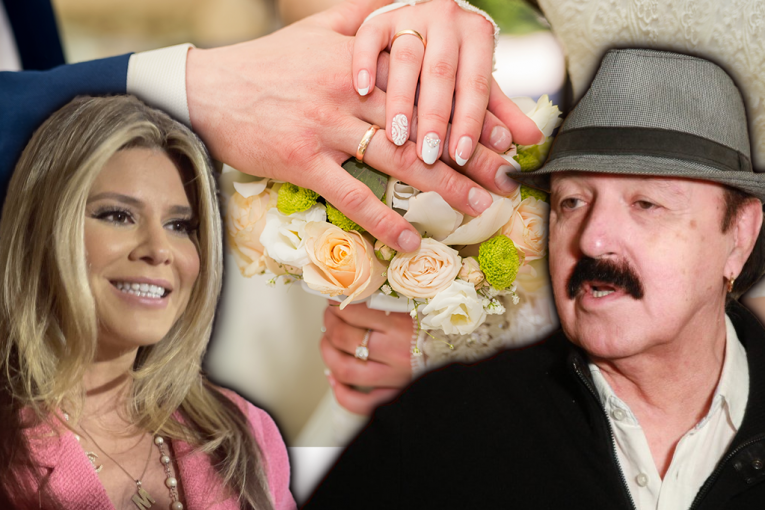
Across both opposition-leaning and pro-government narratives, there is agreement on the broad contextual frame: Melina is a fashion designer behind the successful "Hamel" brand, with international reach in dozens of countries, and the wedding is portrayed as the culmination of her post‑divorce life with a wealthy British partner significantly older than she is (by about 23 years). Both sides acknowledge that this marriage follows her highly publicized split from singer Haris Džinović and that ongoing public interest stems from a mix of celebrity culture, family dynamics, and fascination with Balkan elites mingling with Western wealth on the Côte d’Azur and Italian Riviera. Coverage converges on the idea that the event is as much a media spectacle as a private celebration, with photographers tracking movements between Monaco and Portofino, documenting outfit choices, modes of transport, and the presence or absence of key relatives. There is also broad acceptance that the ceremony and celebrations, despite some reported logistical compromises like mid‑range accommodation for some guests, were designed and executed as a conspicuously glamorous showcase of cross‑border lifestyle and status.
Areas of disagreement
Tone of the celebration. Opposition-aligned outlets tend to frame the wedding as an example of ostentatious excess and social climbing, emphasizing the contrast between a 10 million euro yacht, designer dresses, and more modest hotels for guests as a symbol of empty glamour and poor priorities. Pro-government outlets, by contrast, foreground the festive and aspirational aspects, presenting the same elements—yacht, helicopter, Michelin-starred venues, and celebrity guests—as proof of success, sophistication, and Serbia’s elites integrating into a cosmopolitan European milieu.
Moral framing and personal character. Opposition coverage more readily highlights and amplifies allegations and gossip around Melina’s past marriage to Haris Džinović, including accusations of infidelity and suggestions that her rise is tied to opportunism and transactional relationships, using the lavish wedding as a narrative climax of that arc. Pro-government sources either downplay or compartmentalize this moralized angle, preferring to stress her entrepreneurial story, personal freedom after divorce, and the legitimacy of remarrying a partner who appears warmly accepted by much of her family.
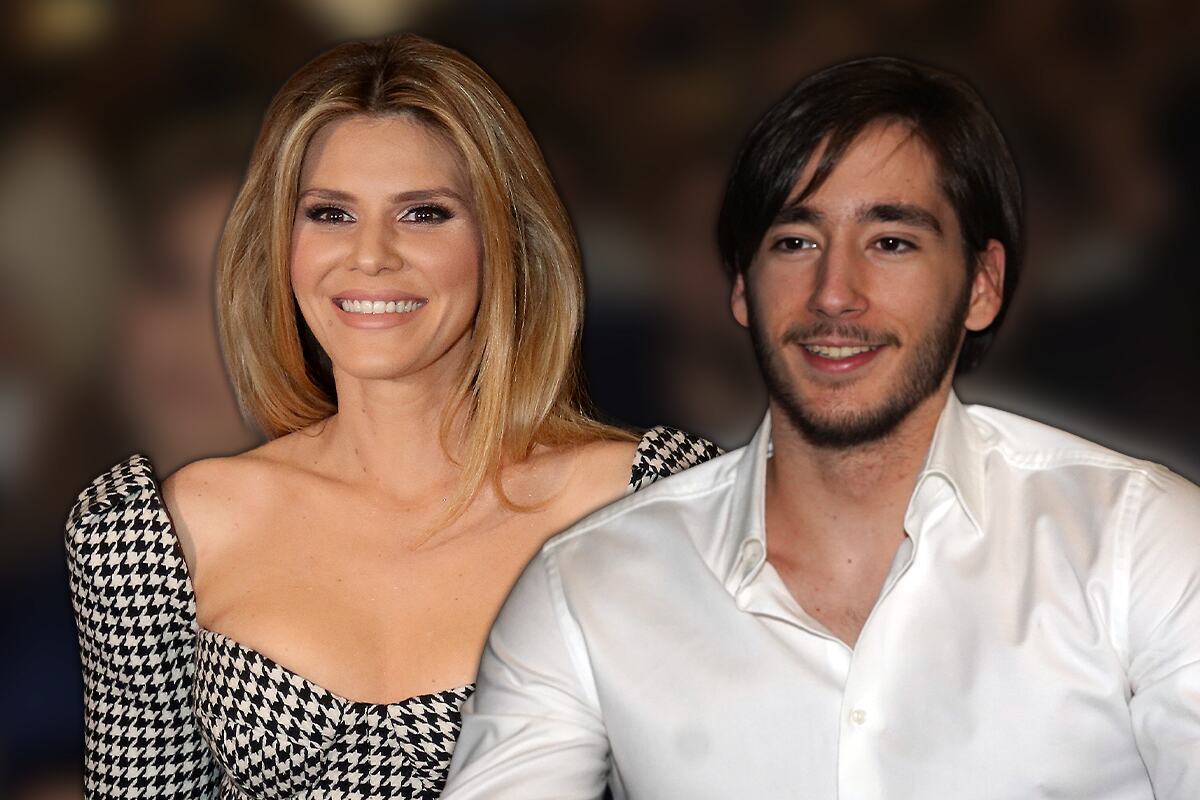
Family dynamics and symbolism. Opposition narratives tend to dwell on fissures, such as her son Kan’s distance from the event and social media posts interpreted as silent commentary, or Đina’s late arrival to the ceremony, positioning these as signs of deeper family disapproval or emotional fallout behind the spectacle. Pro-government outlets instead spotlight reconciliatory and affectionate images—her father’s emotional embrace, his visible closeness with the groom, and her parents’ public warmth—framing the wedding as a story of generational acceptance and family unity around Melina’s new life.
Social meaning of wealth and status. Opposition-aligned media often present the fact that guests were reportedly asked to pay thousands of euros for certain transport options as emblematic of a transactional, exclusionary elite culture that is out of touch with ordinary citizens’ realities. Pro-government coverage treats such details as routine logistics for an upscale destination wedding, interpreting the event less as a moral problem and more as a benign spectacle of private wealth that can even positively reflect on the country’s image by associating Serbian figures with global luxury networks.
In summary, opposition coverage tends to cast the Monaco–Portofino wedding as a gaudy, morally ambiguous spectacle revealing fractures in family and class values, while pro-government coverage tends to celebrate it as a glamorous, aspirational milestone in the life of a successful designer whose new cross‑border marriage underscores both personal and national cosmopolitanism.