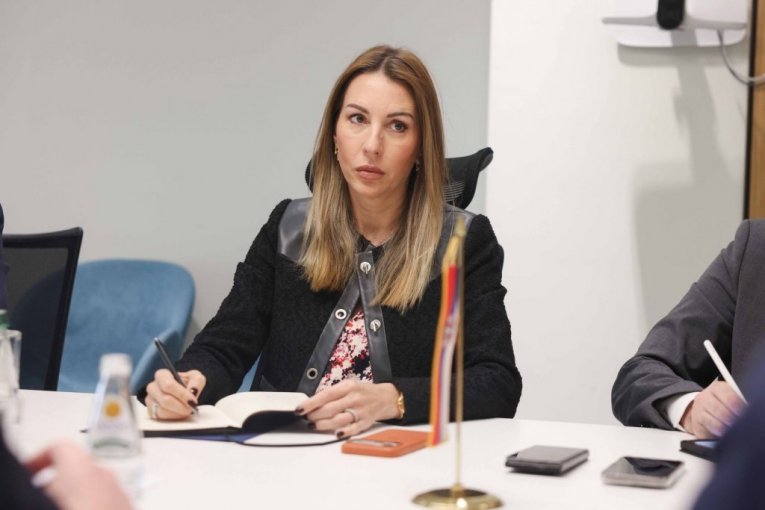
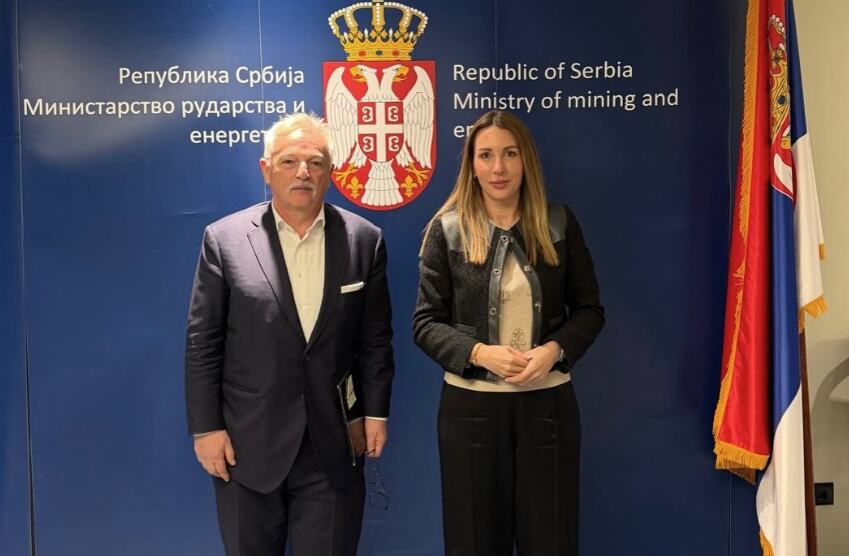
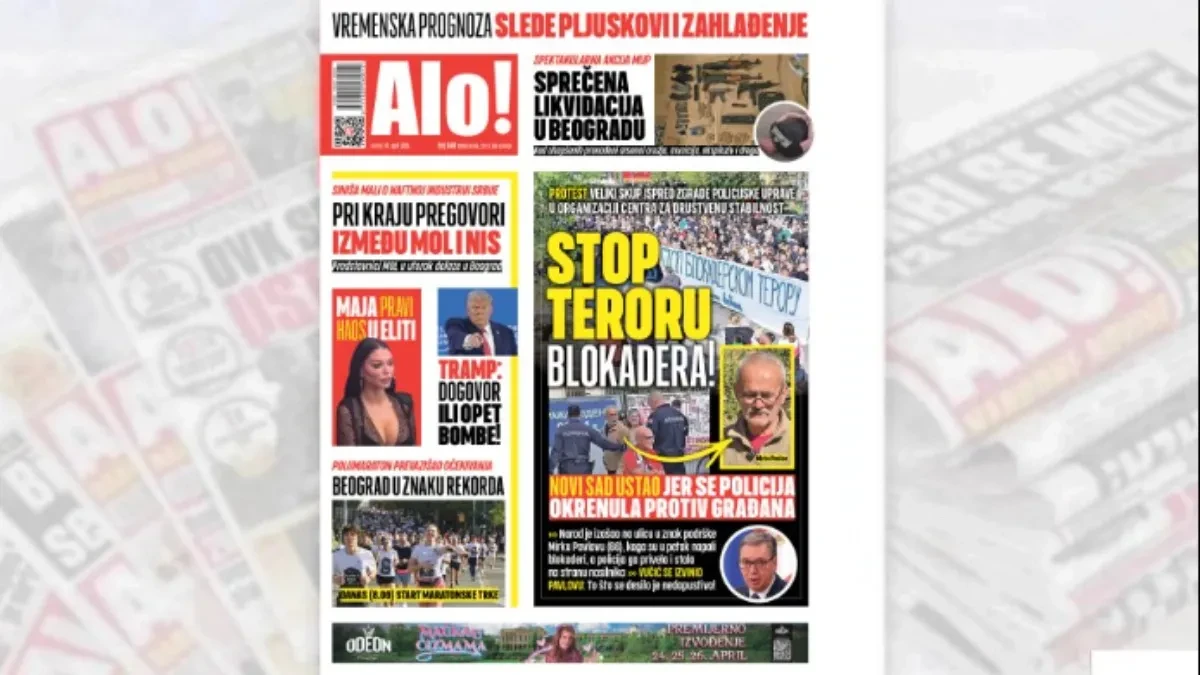
Serbian and regional media agree that Minister of Mining and Energy Dubravka Đedović Handanović held a lengthy, late‑night meeting in Budapest with MOL Group President and CEO Zsolt Hernádi to discuss the potential sale of the Russian stake in NIS and the future ownership structure of the company. All sides report that these talks are described as complex, revolve around clearly defined Serbian “red lines” that the government says it will not cross, and will continue in Belgrade, where MOL’s representatives are expected for further negotiations on a shareholders’ agreement that could see Serbia increase its stake by about 5 percent. They also concur that MOL is simultaneously in talks with Russian partners Gazprom and Gazprom Neft, that NIS has received a new license from the US Treasury allowing its operations to continue until mid‑2026, and that there is a time‑limited framework—linked to extended US licenses—for negotiating changes in NIS ownership.
Both opposition and pro‑government outlets locate the talks within the broader context of Serbia’s efforts to navigate sanctions pressure on Russian energy assets, secure stable oil refining at the Pančevo refinery, and diversify energy supplies. Coverage agrees that the government’s goal is to maintain full refinery capacity and protect critical energy infrastructure while transferring or restructuring NIS’s existing obligations in a way that safeguards Serbia’s interests. There is also cross‑media acknowledgment that the sale process is occurring amid wider regional and global energy volatility, that foreign partners such as MOL, ADNOC, and Russian companies play central roles, and that US sanctions waivers and deadlines shape the pace and options of any ownership change.
Areas of disagreement
Motives and strategic framing. Opposition‑aligned sources portray the NIS sale talks as a high‑risk maneuver driven by the government’s previous dependence on Russian partners and its failure to diversify earlier, casting the meeting with MOL’s CEO as damage control under external pressure. Pro‑government outlets instead frame the same talks as a carefully managed strategic opportunity, emphasizing sovereign “red lines,” Serbia’s leverage in negotiations, and the chance to secure better terms and new investments. While opposition narratives tend to question whether Serbia is negotiating from a position of strength, pro‑government narratives stress prudence, foresight, and the government’s alleged success in turning a sanctions‑driven constraint into an energy‑security gain.
Transparency and public interest. Opposition media generally criticize the process as opaque, underscoring that key details of price, obligations, and contractual guarantees are being negotiated behind closed doors, and warning that citizens learn about outcomes only after deals are effectively done. Pro‑government outlets, by contrast, highlight selective public statements about “red lines,” refinery capacity, and increased state ownership as evidence of transparency, arguing that some confidentiality is necessary in complex international talks. Whereas opposition coverage frames secrecy as a potential cover for mismanagement or favoritism, pro‑government coverage presents limited disclosure as responsible stewardship of sensitive economic and geopolitical negotiations.
Assessment of risks and benefits. Opposition‑aligned reporting tends to stress the potential downsides of MOL’s deeper role in NIS, including fears of foreign control over crucial refining and distribution assets, possible price impacts, and the transfer of burdensome past commitments onto taxpayers. Pro‑government outlets accentuate expected benefits such as reduced geopolitical risk, fresh capital, modernization of infrastructure, and enhanced energy diversification away from a single supplier. In opposition narratives, the sale is a forced concession with uncertain gains, whereas in pro‑government narratives it is framed as a stabilizing step that will secure long‑term supplies and investment.
Political accountability. Opposition sources typically link the NIS situation to years of government policy, arguing that the need to renegotiate ownership under sanctions shows the cost of earlier strategic choices and politicized ties with Russian energy firms. Pro‑government media decouple the current talks from past controversies, treating them as a technical response to external shocks like sanctions and global crises, and foregrounding officials such as the energy minister and finance minister as competent managers of an inherited problem. While opposition coverage seeks to personalize and politicize responsibility within the ruling leadership, pro‑government coverage tends to diffuse blame onto international circumstances and emphasize continuity and stability in policy.
In summary, opposition coverage tends to frame the NIS–MOL negotiations as an opaque, high‑risk correction of earlier policy failures that may dilute national control over key energy assets, while pro-government coverage tends to present them as a sovereign, well‑managed strategic opportunity to strengthen Serbia’s energy security, increase state ownership, and attract investment under clearly defined red lines.