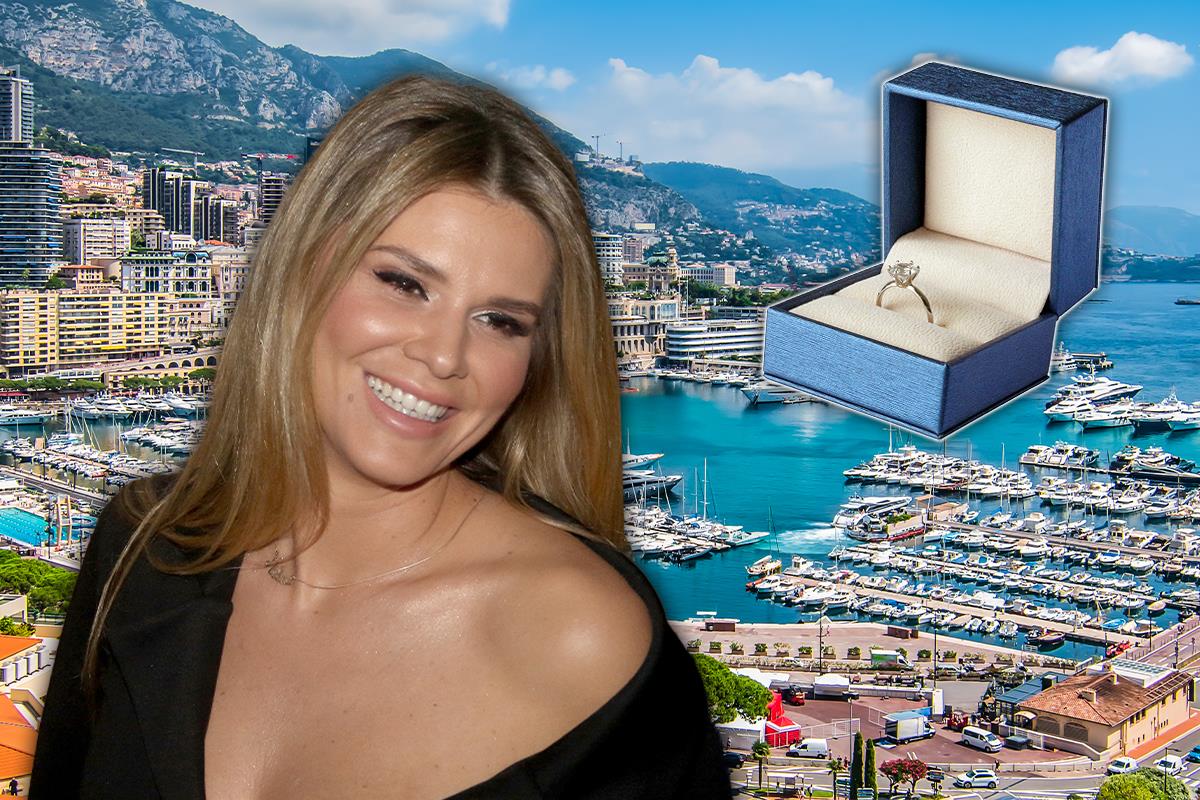
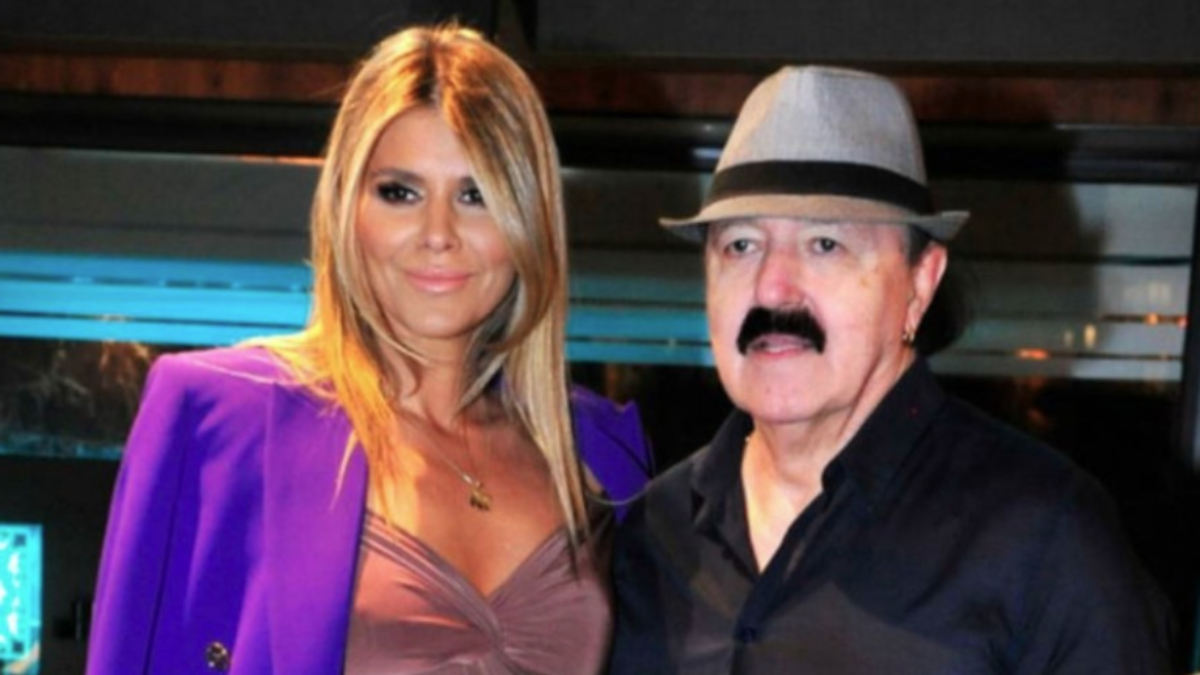
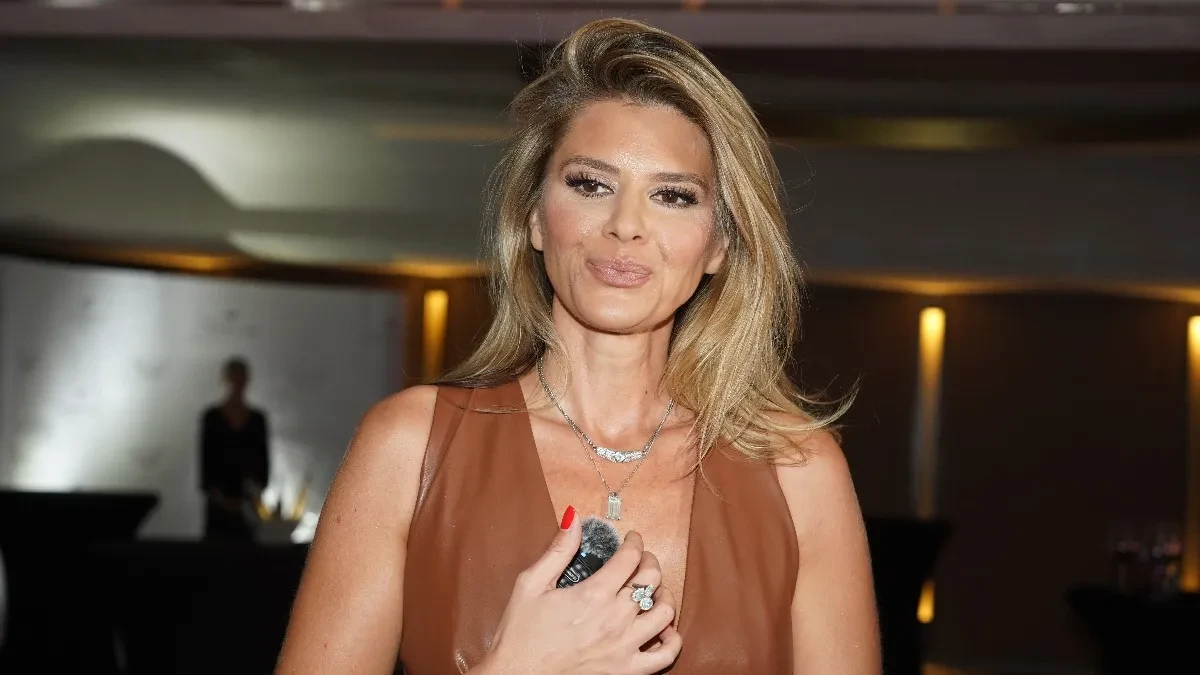
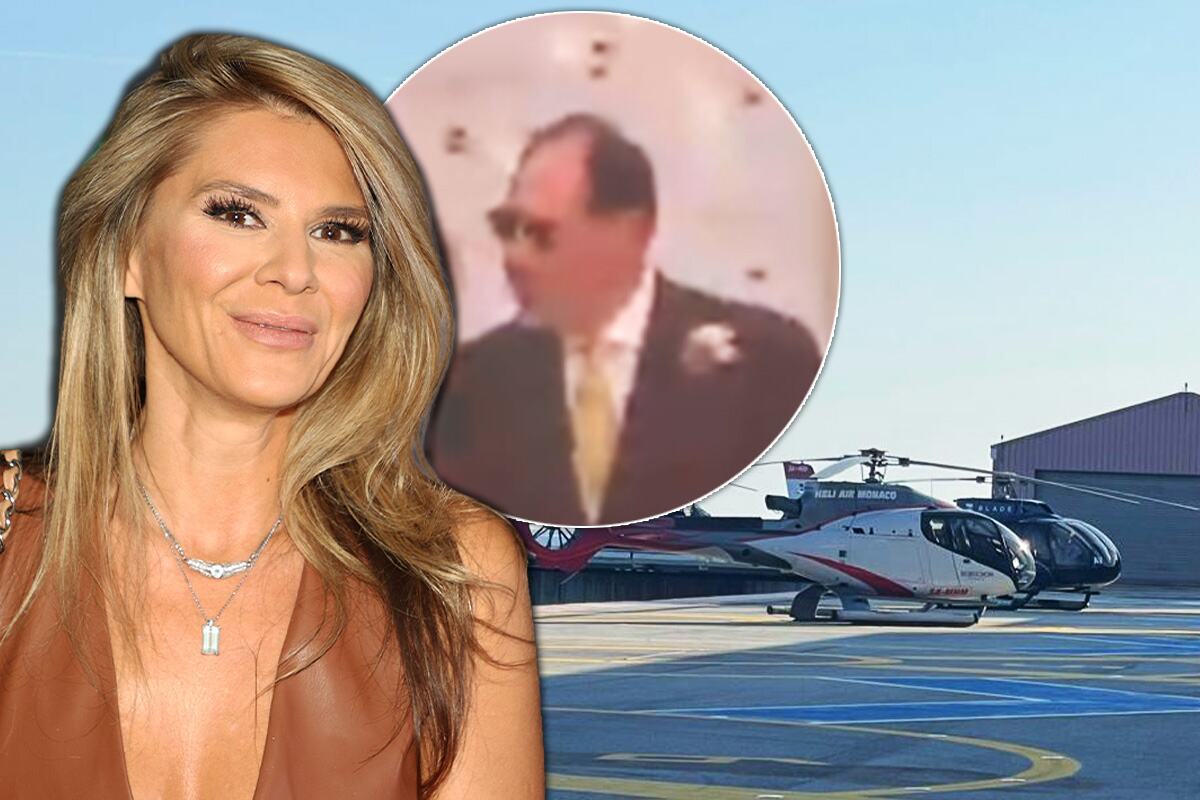
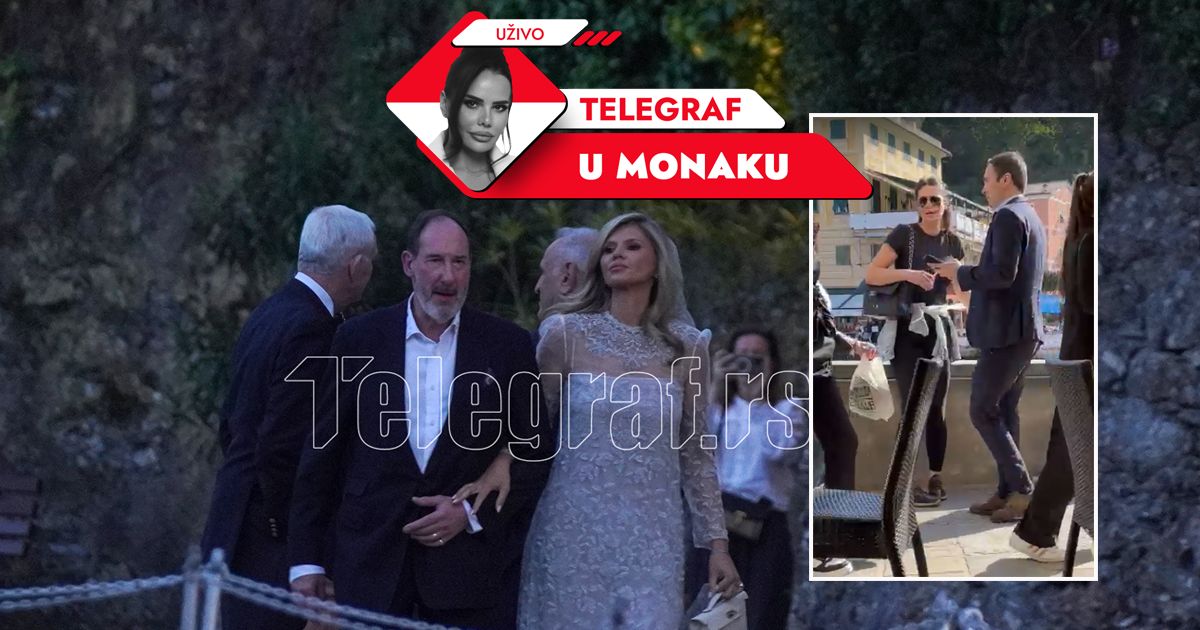
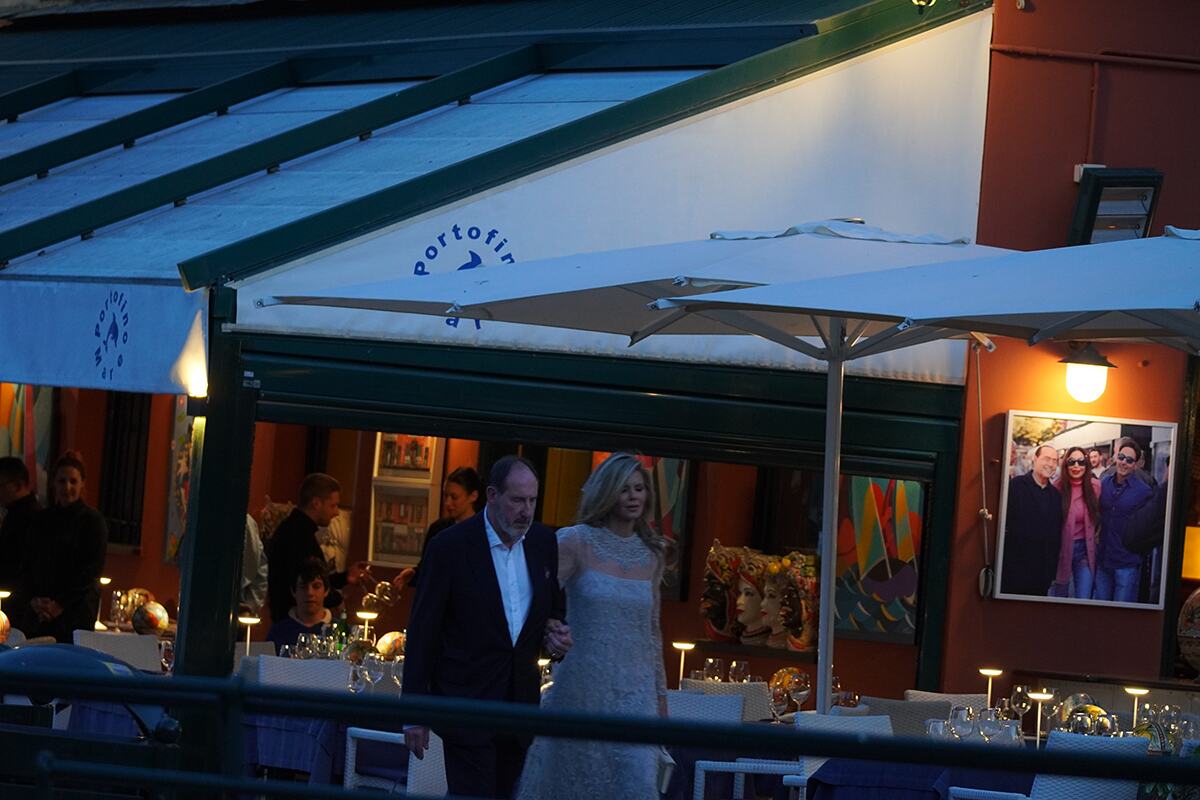
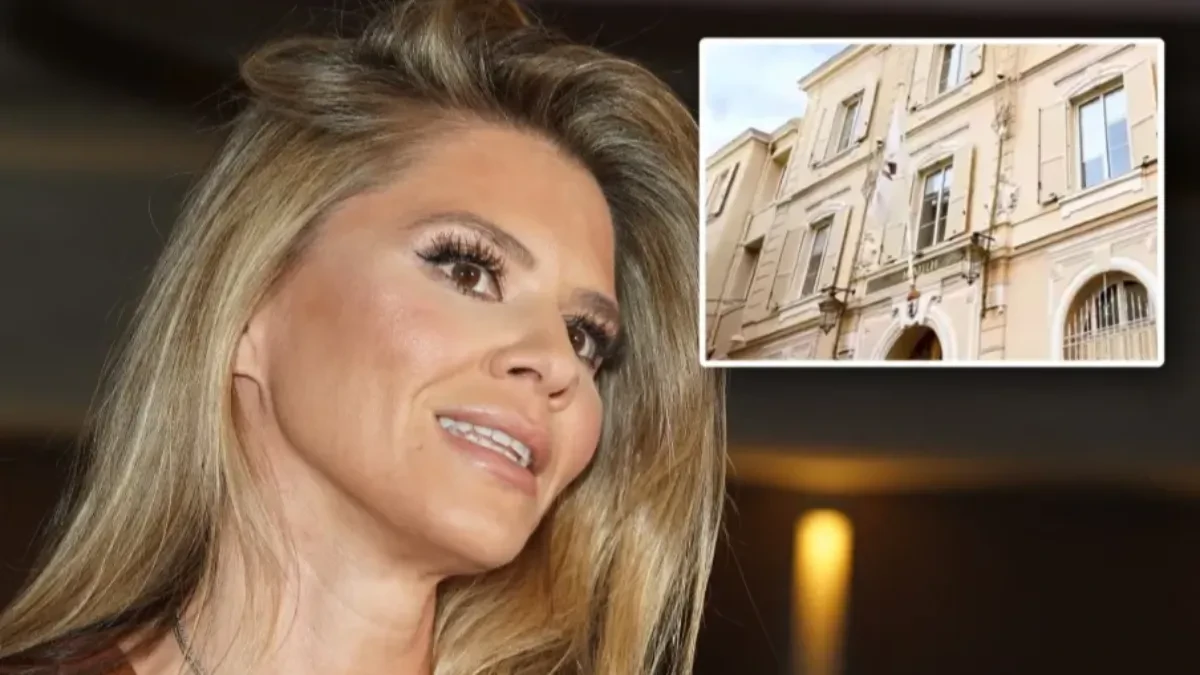
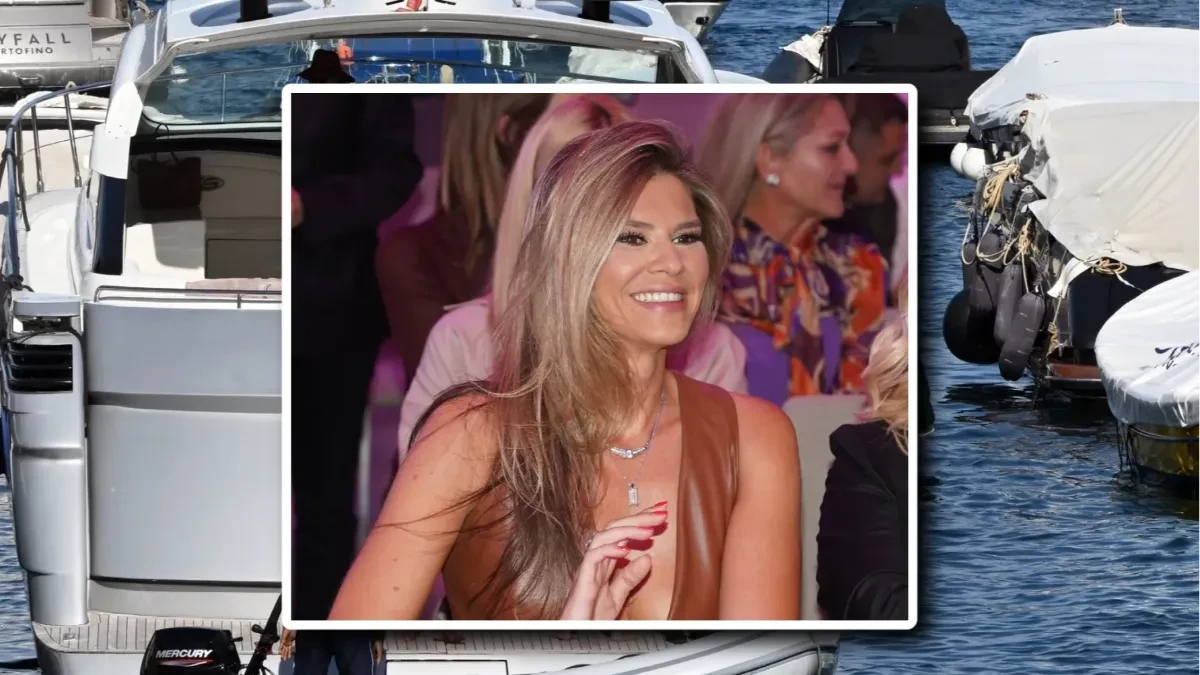
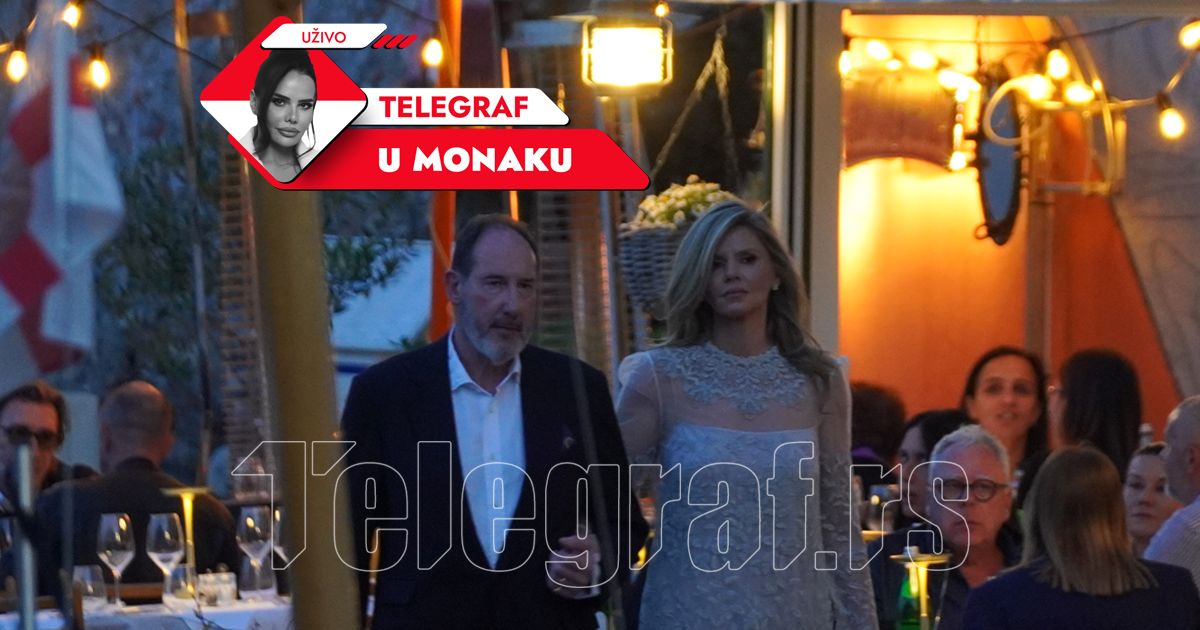
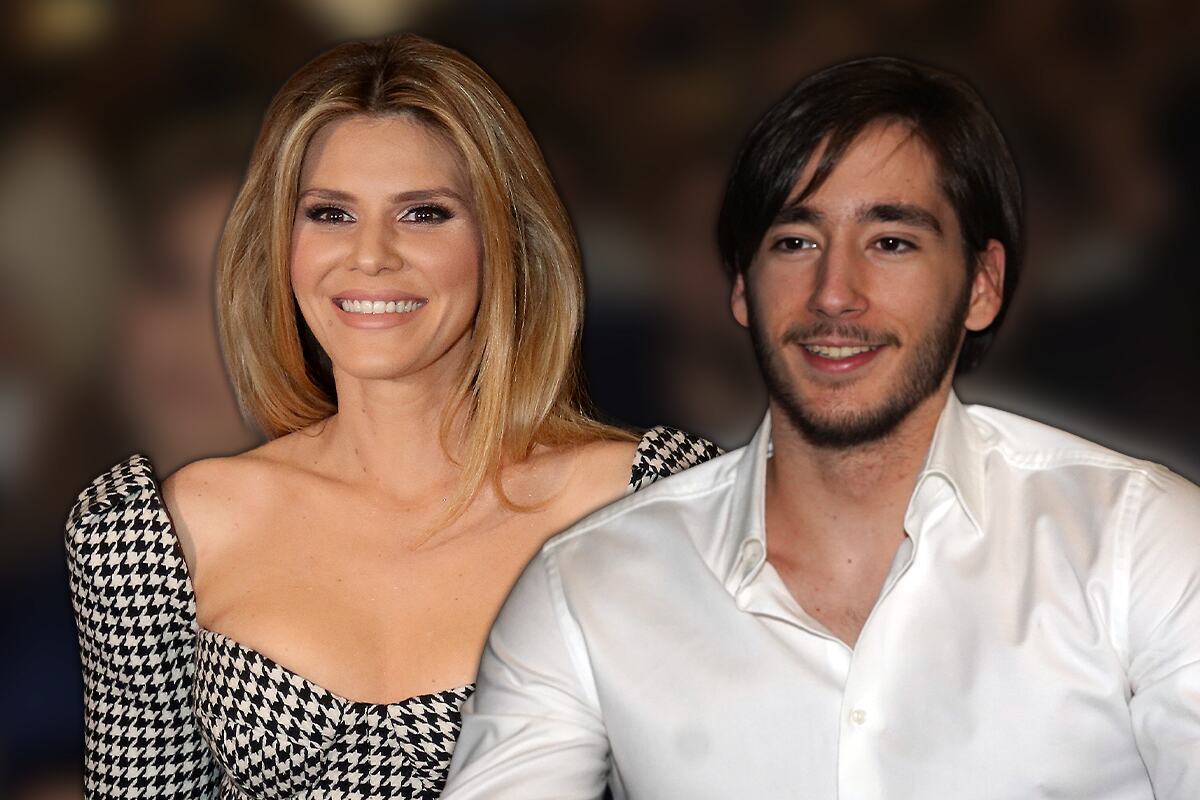
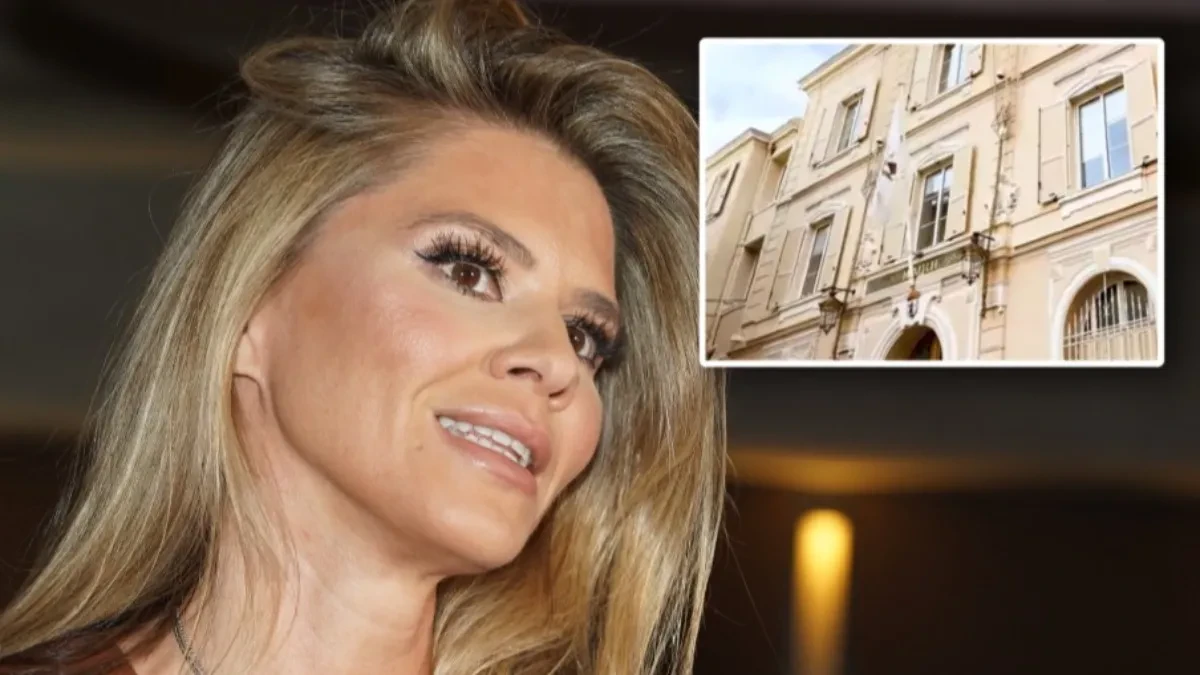
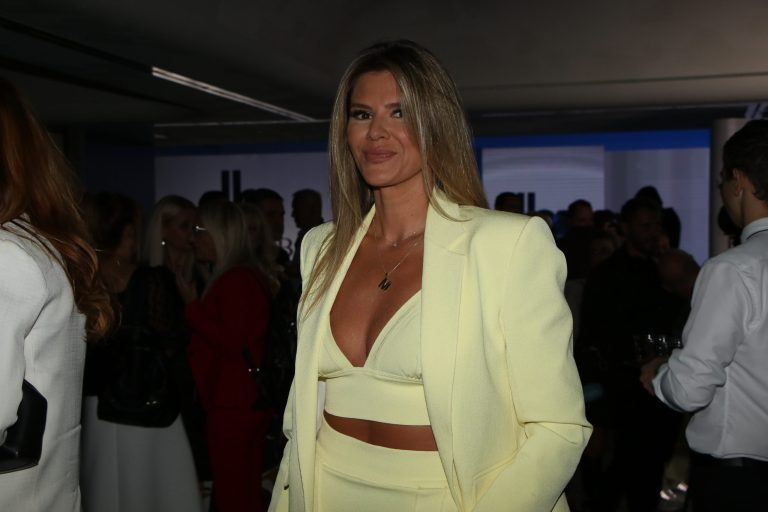
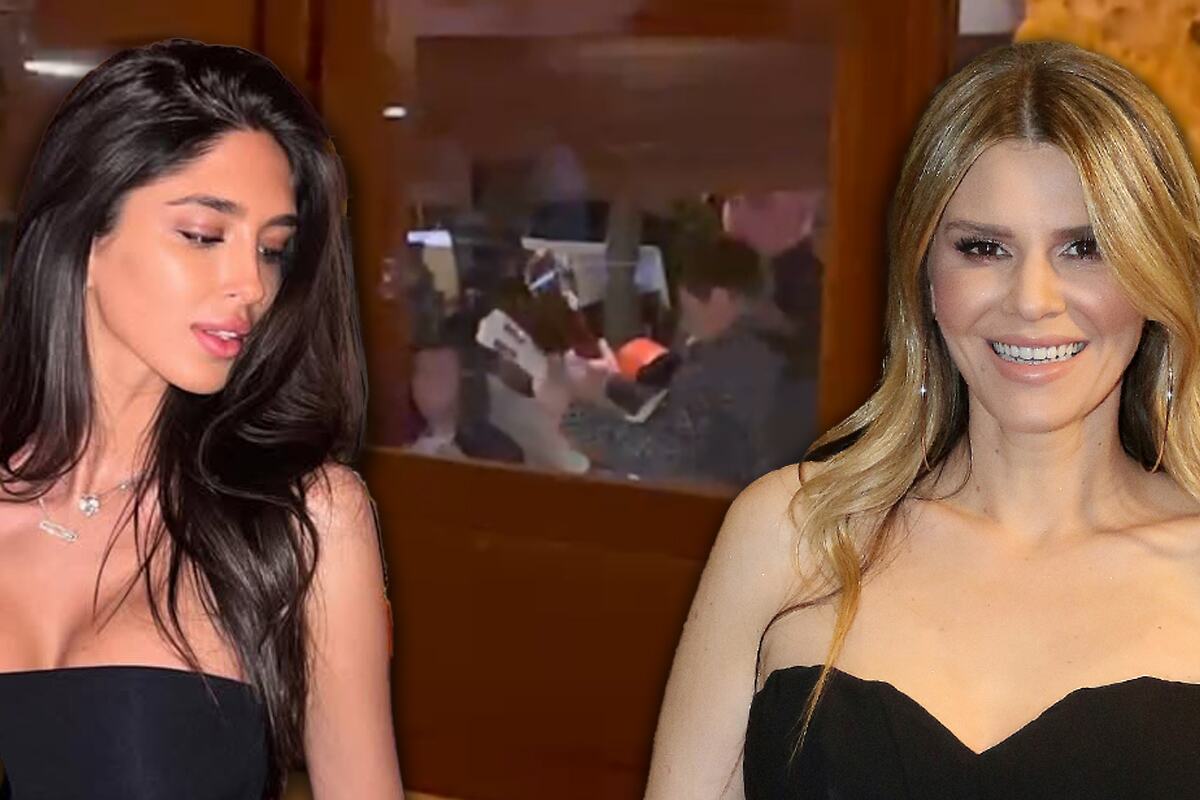
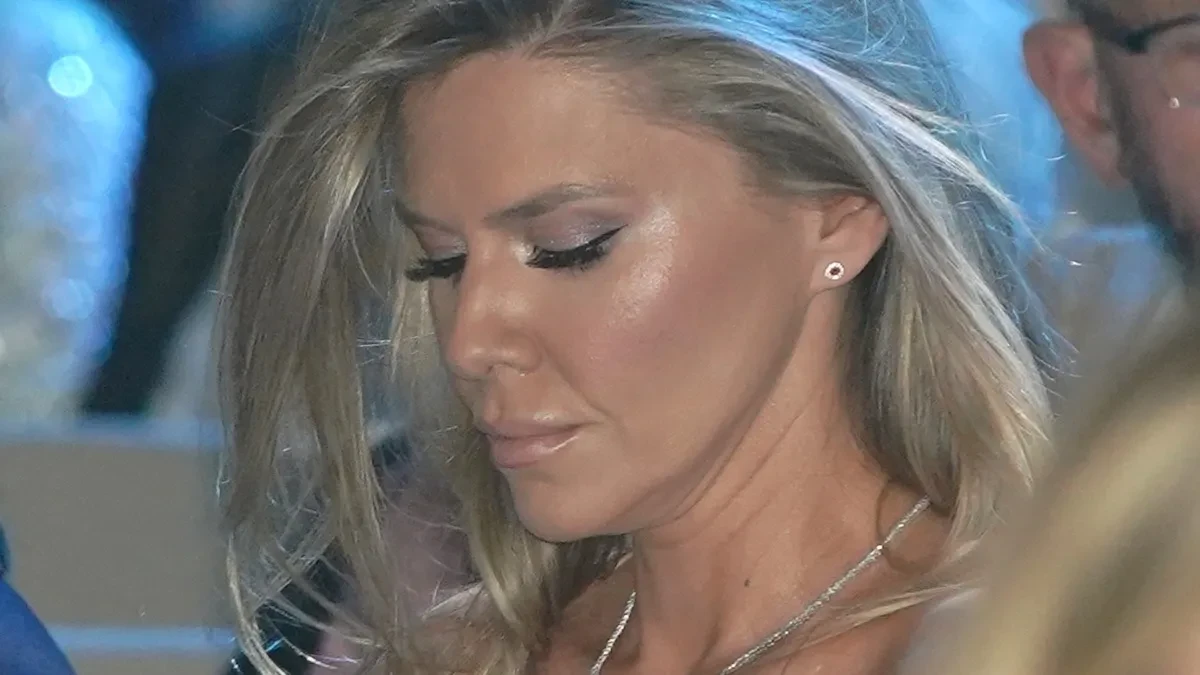
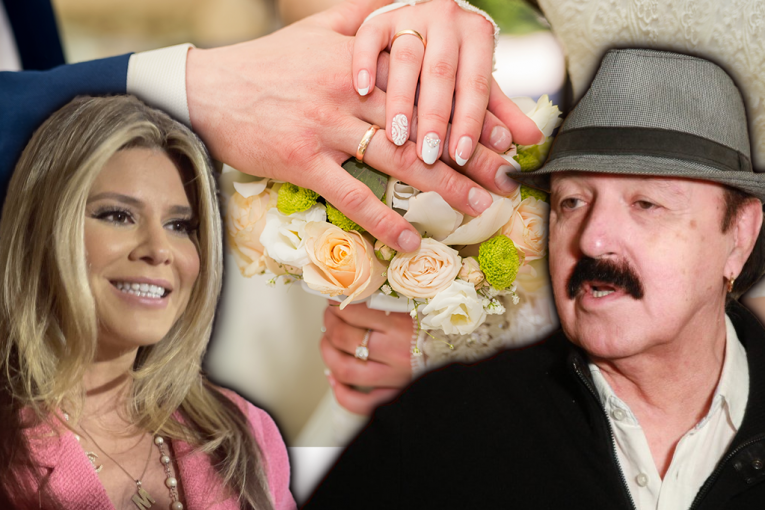
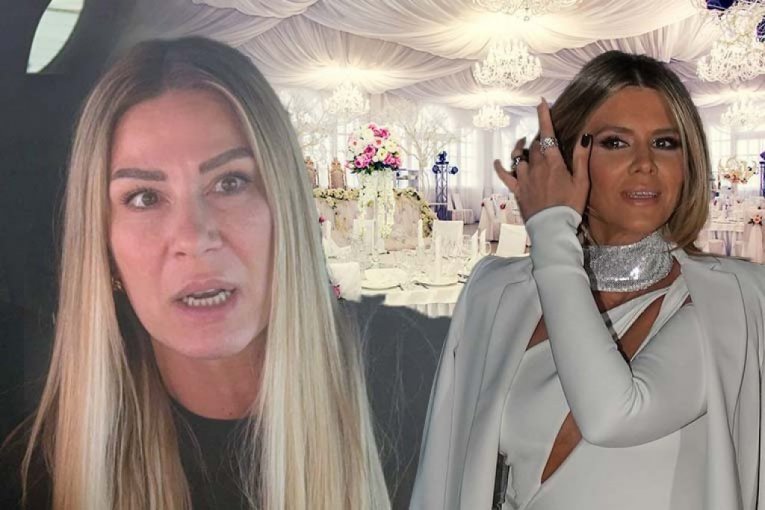
Melina Galić, a Serbian fashion designer and former wife of singer Haris Džinović, has married or is in the process of marrying British businessman and millionaire Jeffrey Paul Arnold Day in a civil ceremony in Monaco, followed by celebrations along the French and Italian Riviera. Both opposition and pro-government outlets agree that the event is highly luxurious and partially yacht-based, involves several dozen guests (roughly 70 to around 100) from different countries, and features high-end venues such as exclusive restaurants in Monte Carlo and the Splendido Mare hotel in Portofino, with guests arriving via yachts, helicopters, and other luxury transport. They converge on the core biographical facts: this is Melina’s second marriage after a long relationship and marriage with Džinović, the groom is a wealthy British businessman in his late sixties to around 70 with numerous corporate directorships and substantial capital, and Melina’s close family, including her parents and daughter Đina, are present in or around Monaco for at least part of the festivities, with son Kan remaining distant.
Across the spectrum, coverage situates the wedding in the broader context of Melina’s public persona, her fashion brand, and her previous high-profile 2014 yacht wedding to Džinović near Dubrovnik, using that earlier lavish ceremony as a clear point of comparison. Both sides note that the current celebrations stretch over several days between Monaco and Portofino, emphasize the tight-knit, invitation-only nature of the guest list, and highlight security and privacy measures around venues and transport. They also agree that the marriage is intertwined with Melina’s established lifestyle on the Côte d’Azur and with her international ambitions as a designer, as evidenced by references to her brand’s global reach and to the groom’s financial backing of her business. The shared frame is that this is a conspicuously glamorous event in a long-running story of celebrity, wealth, and high society around the former showbiz couple and their children.
Areas of disagreement
Tone toward luxury and excess. Opposition-aligned outlets typically present the Monaco wedding as straightforward celebrity news, emphasizing glamour, expensive venues, and the guest list in an almost celebratory or neutral tone, with little overt moralizing about extravagance. Pro-government outlets, while also dwelling on luxury details such as yacht prices, dress costs, and elite restaurants, more often frame these elements with a mix of fascination and mild sensationalism, stressing contrasts like Melina’s costly outfits versus more modestly dressed relatives or guests asked to pay steep travel supplements. This creates a subtle divergence where opposition pieces normalize the opulence as expected for this milieu, whereas pro-government pieces more actively spotlight the excesses as eye-catching talking points.
Focus on personal drama and family relations. Opposition coverage, based on the available examples, largely concentrates on the couple themselves and the logistics of the celebration, touching on daughter Đina’s presence without delving deeply into intra-family tensions. Pro-government outlets, in contrast, repeatedly foreground family drama: Kan’s estrangement and social media signals, Đina’s deletion or deactivation of profiles and late arrival to the ceremony, the evolving attitudes of Melina’s parents, and even Haris’s pointed public remarks that his ex-wife “no longer exists” for him. As a result, the pro-government narrative leans into soap-opera style conflict and emotional rifts, while opposition reporting tends to keep the focus on the event rather than on relational grievances.
Business and power implications. Where opposition-aligned sources mainly describe Jeffrey Paul Arnold Day as a British businessman and wealthy partner, pro-government outlets elaborate extensively on his age, portfolio of directorships, and reported financial injections into Melina’s fashion label, including figures around 200,000 euros. Pro-government reporting thus frames the marriage partly as an economic alliance that shores up and internationalizes Melina’s brand, tying her personal life to business expansion and hinting at a pragmatic dimension behind the romance. The opposition side, by not stressing these investment angles, leaves the business implications in the background and presents the union more as a private, albeit luxurious, life choice.
Narrative around Melina’s image and past. Opposition outlets, in the sample given, portray Melina primarily as a glamorous designer and celebrity moving on with her life after divorce, without strongly revisiting allegations or controversies from the past. Pro-government media more frequently revisit her 2014 wedding to Džinović, recounting its mishaps and grandeur, resurrecting infidelity allegations via third parties, and juxtaposing her new marriage with Haris’s public disapproval to shape a continuity of scandal and spectacle. In this way, opposition coverage allows Melina a relatively clean narrative of a high-society second marriage, whereas pro-government coverage situates the Monaco wedding in a longer arc of contentious relationships, public judgment, and media-fueled gossip.
In summary, opposition coverage tends to frame the Monaco wedding as a conventional, if lavish, celebrity event centered on logistics and shared facts, while pro-government coverage tends to amplify the spectacle with added focus on family conflict, financial underpinnings, and past scandals to create a more dramatic and morally loaded narrative.