
pro-government
RATKO MLADIĆ IN HAGUE EXPOSED TO HUMILIATING CIRCUMSTANCES New reaction to his poor health arrived
'This is how they treat everyone there'
4 days ago
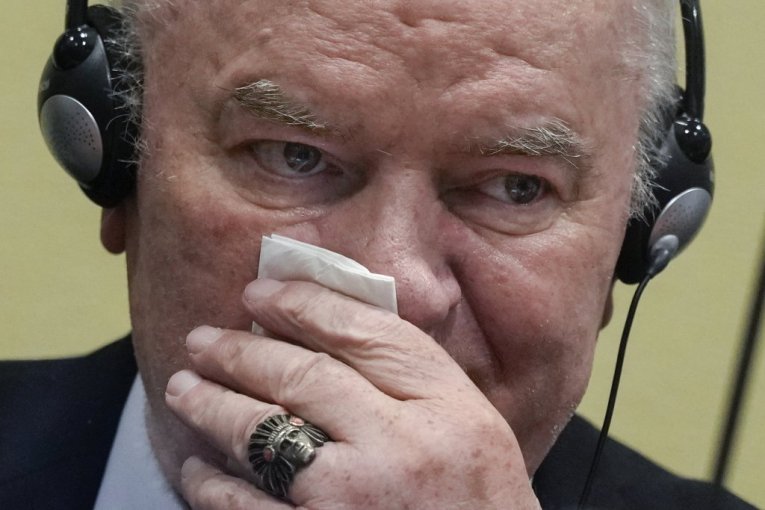
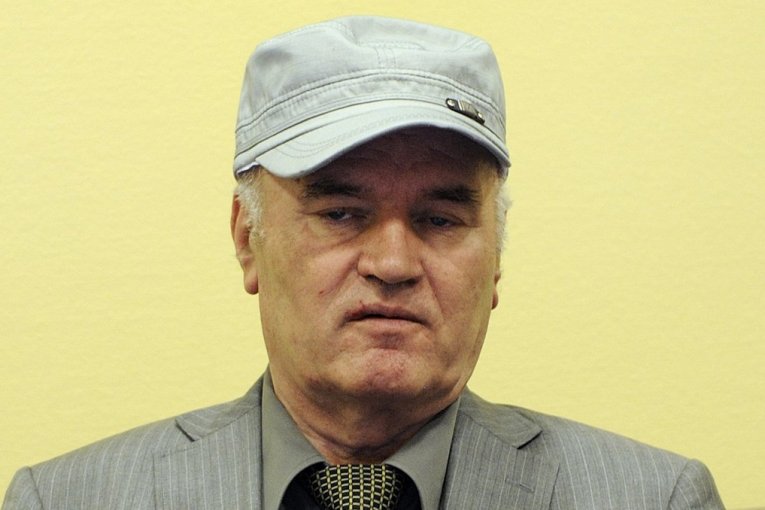
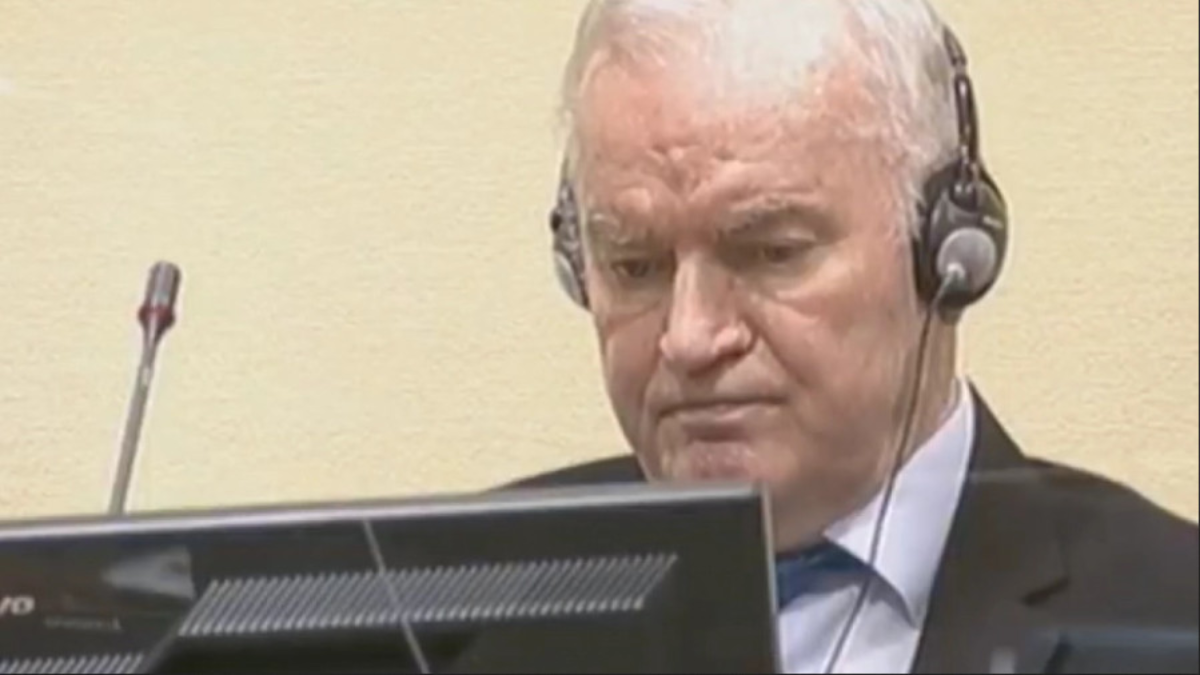
Reports from both opposition and pro-government media agree that Ratko Mladić, the former commander of the Army of Republika Srpska currently serving a life sentence under the Hague tribunal system, has recently suffered a stroke and that his overall health has been poor for an extended period. They describe him as having experienced serious speech difficulties, being transferred to a civilian hospital in The Hague, and remaining in a critical but somewhat stabilized condition, with his health reportedly fragile for more than a year. Both sides relay that his son, Darko Mladić, has become a key source of updates, publicly stating that his father has been largely bedridden, and that the defense team and family are actively seeking more detailed medical information and documentation from Hague authorities.
These outlets also align on the basic institutional context: Mladić is detained under the authority of the Hague-based international tribunal system that adjudicated war crimes from the Yugoslav conflicts, and his care is formally the responsibility of that system’s prison and medical services, including contracted civilian facilities in the Netherlands. They note that prior detainees, such as Radoslav Brđanin, also experienced serious health deterioration in Hague custody, and that requests for medical transparency typically run through defense lawyers and family members who must petition tribunal officials for access to records. Across coverage, there is recognition that the case raises questions about how aging and seriously ill war-crimes convicts are managed, and about whether current procedures for medical oversight, documentation sharing, and compassionate treatment are adequate.
Cause and responsibility. Opposition-aligned sources tend to frame Mladić’s deteriorating condition as evidence of structural neglect or even systemic mistreatment by the Hague tribunal, emphasizing that long-term health decline and the recent stroke stem from chronic failures of care. Pro-government outlets, while also critical of Hague authorities, more explicitly echo political leaders such as Milorad Dodik in alleging “humiliating circumstances” and inadequate therapy, suggesting intentional disregard rather than mere bureaucratic shortcomings. The opposition side generally stresses the tribunal’s institutional accountability, whereas pro-government media personalize blame toward specific international actors and present Mladić more overtly as a victim of political injustice.
Scale of medical failure. Opposition coverage typically questions the adequacy of treatment and demands greater transparency over test results and hospital decisions, but it often stops short of accusing the tribunal of outright denial of basic medical services. Pro-government media, by contrast, amplify Darko Mladić’s assertions that even basic analyses like a blood count are not being shared and that his father’s critical state has been minimized for over a year and a half, portraying a near-systematic withholding of care and information. Where opposition narratives highlight opacity and possible under-treatment, pro-government narratives frame the situation as a pattern of deliberate medical neglect bordering on abuse.
Political messaging and symbolism. Opposition outlets usually contextualize Mladić’s health within broader criticism of international justice mechanisms, arguing that the Hague’s handling of elderly and infirm prisoners undermines its moral authority, but they are more cautious in glorifying Mladić himself, given his war-crimes convictions. Pro-government coverage more openly casts Mladić as a persecuted national figure, using his condition to rally public sentiment against Western institutions and to support political leaders who challenge the tribunal’s legitimacy. Thus, while both sides see political meaning in his health crisis, opposition sources lean toward institutional critique, whereas pro-government sources fold his illness into nationalist and anti-Hague narratives.
Interpretation of precedent cases. Opposition-leaning media may reference cases like Radoslav Brđanin’s death after release from The Hague to illustrate a troubling pattern but usually present them as cautionary examples calling for reform of prisoner healthcare. Pro-government outlets more aggressively link Brđanin’s fate to Mladić’s current state, implying a recurring model in which Serb prisoners are worn down by years of poor conditions before being released or dying, and using that comparison to argue that Mladić’s health “cannot withstand” the existing legal process. In this way, opposition narratives call for better safeguards, while pro-government coverage infers a deliberate and repeated practice that confirms their broader claim of anti-Serb bias.
In summary, opposition coverage tends to treat Mladić’s deteriorating health as a serious human-rights and institutional-failure issue that calls the Hague system’s medical standards and transparency into question, while pro-government coverage tends to portray his condition as the predictable outcome of intentional humiliation, neglect, and politically motivated hostility by international actors, using vivid personal and nationalist framing to reinforce that view.