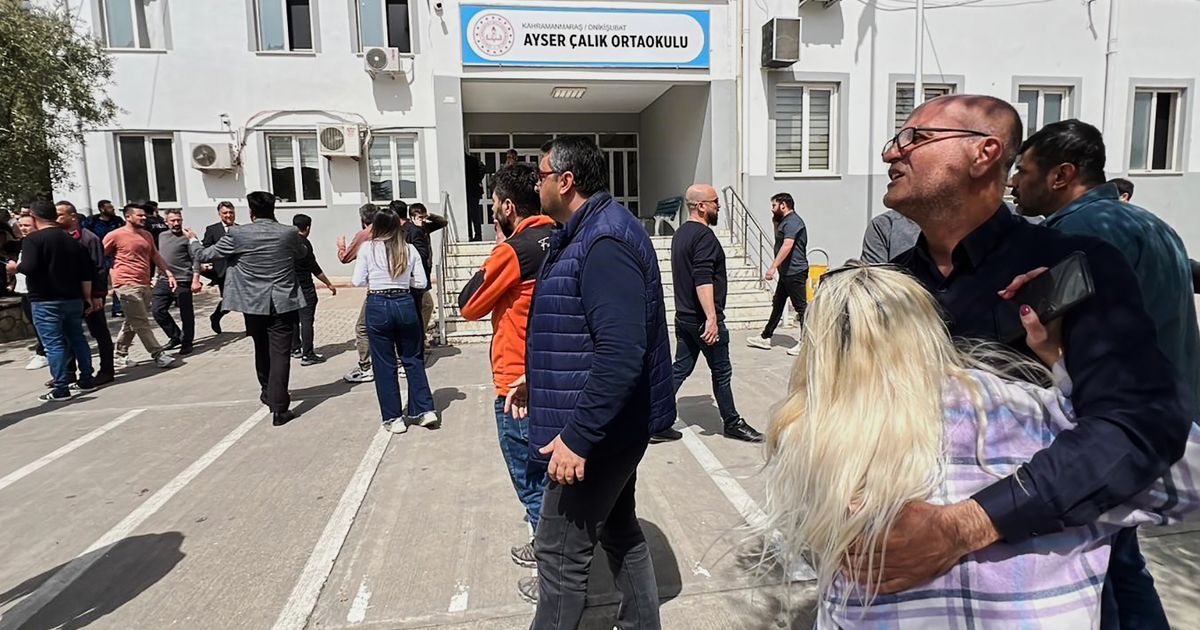
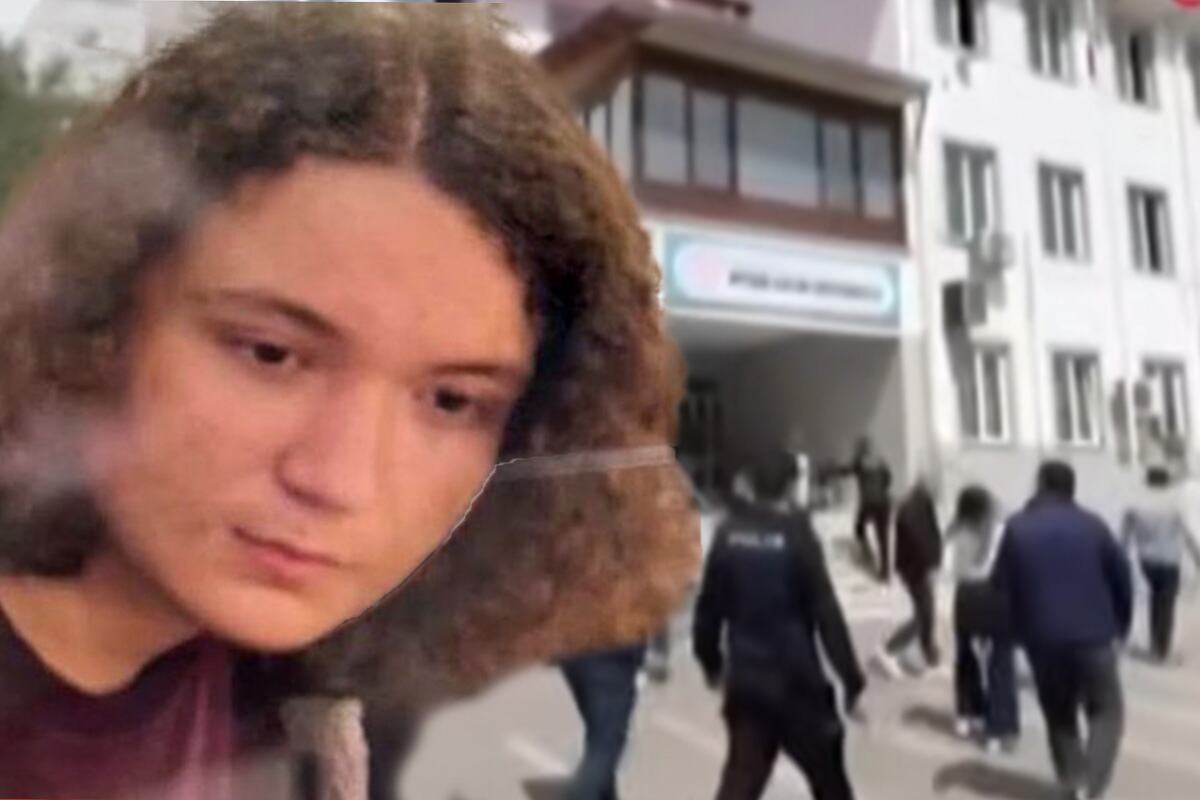
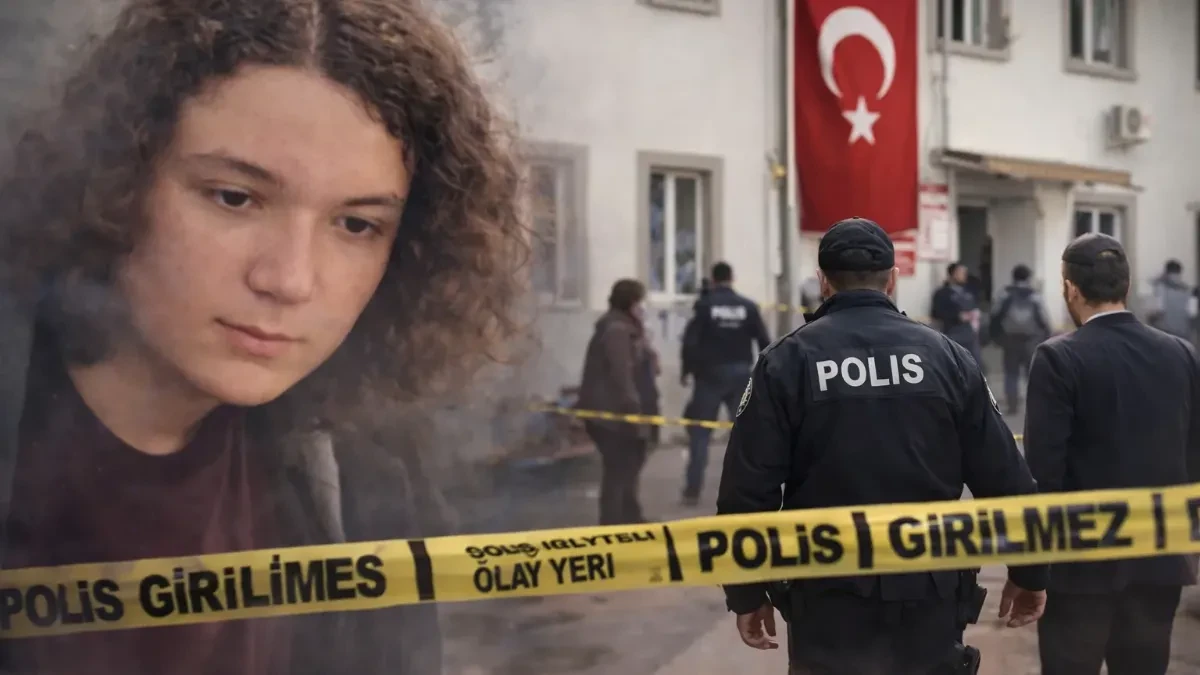
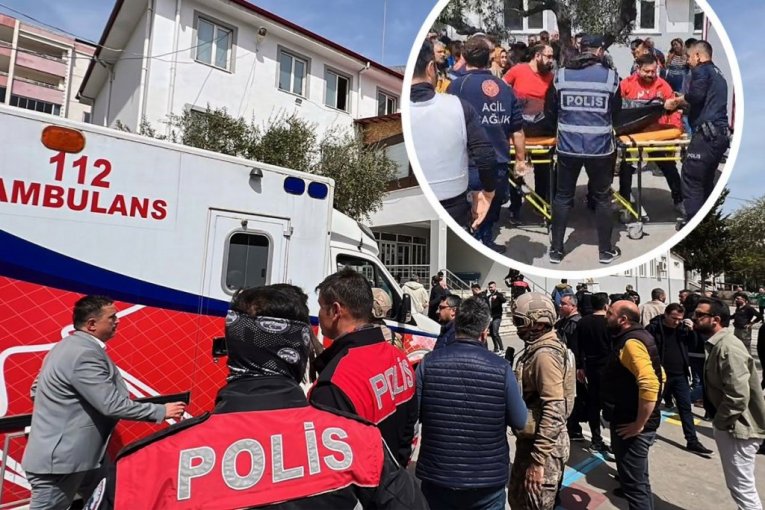
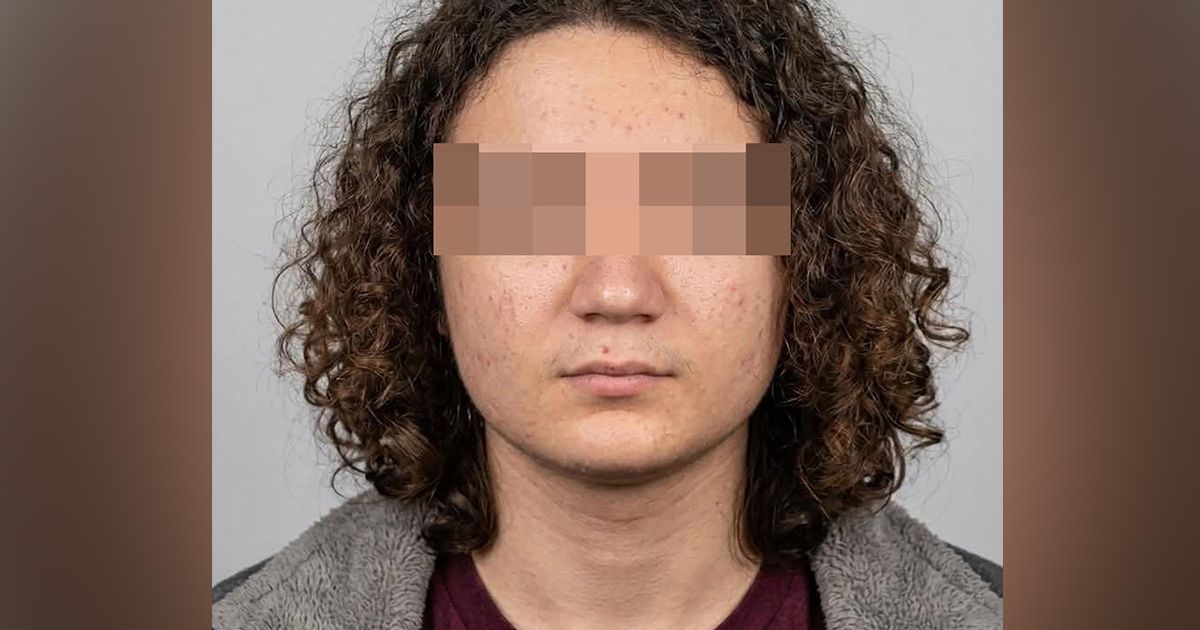
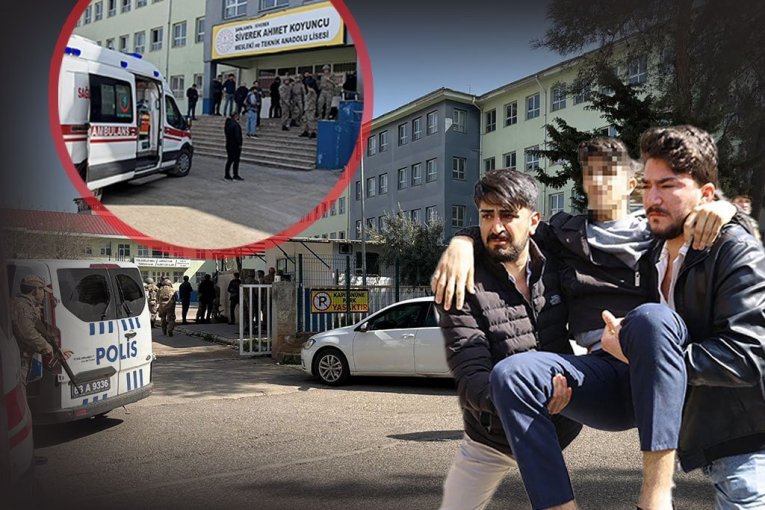
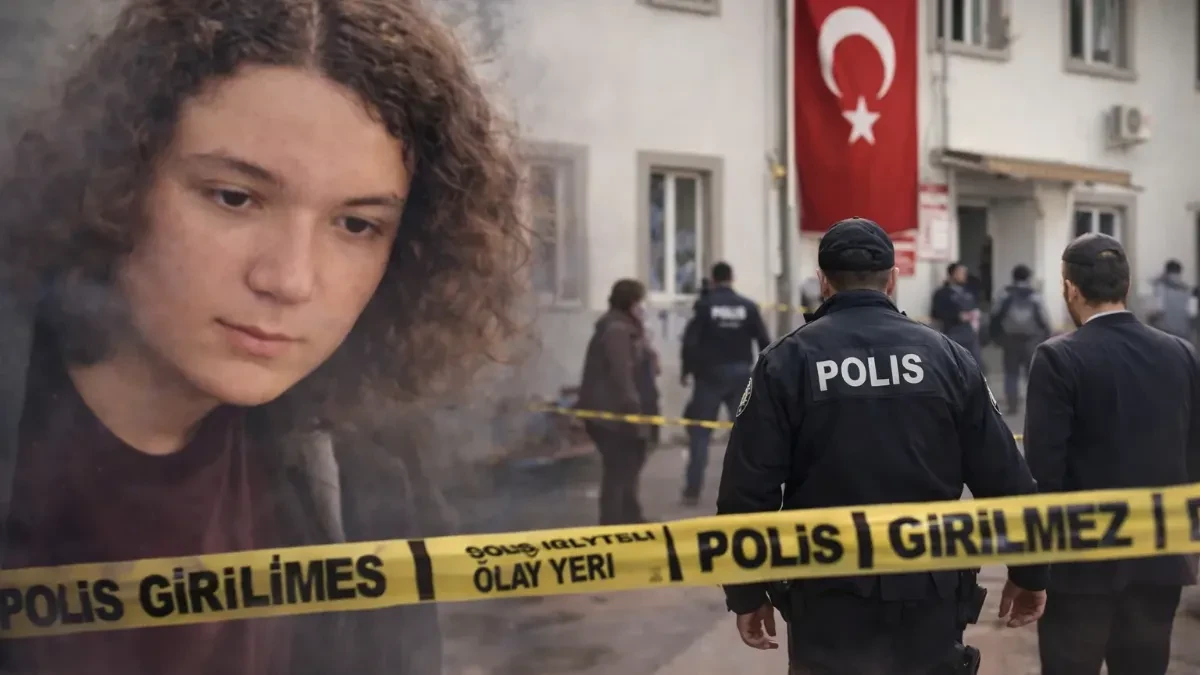
A 14-year-old eighth-grade student opened fire at a high school in Kahramanmaraş, Turkey, killing nine people on the day of the attack, including eight students and a teacher, and injuring at least 13–20 others, with some later reports raising the death toll to 10 as one of the wounded died in hospital. Both opposition and pro-government outlets agree that the shooter, identified as Isa Aras Mersinli, brought multiple firearms from home in a backpack, moved between at least one or two classrooms, and then died himself, reportedly by suicide at the scene. They concur that the weapons are believed to have belonged to his father, a (retired) police officer, and that the attack came just a day or two after another school shooting in Şanlıurfa/Şanliurfa province in which more than a dozen people were injured. Coverage on both sides notes that the parents have been detained, an investigation is underway, and the interior minister has publicly ruled out terrorism as a motive.
Both opposition and pro-government sources frame the massacre as part of a wider pattern of growing concern about school safety, youth violence, and access to firearms in Turkey. They mention that this incident follows another school shooting in southeastern Turkey and that authorities have reacted not only with criminal investigations into the perpetrator and his family but also with scrutiny of social media accounts that glorified or spread content related to the attack. Both sides highlight institutional failures around gun storage and oversight—given the father's police background—and note that classes at the affected school were suspended, with national-level officials promising a thorough investigation. There is shared acknowledgment that the attacker appears to have prepared in advance, including practice at a shooting range and reported fascination with foreign mass killers such as Elliot Rodger, feeding broader debates about online radicalization, media influence, and the adequacy of current regulations and preventive measures in schools.
Areas of disagreement
Responsibility and blame. Opposition outlets emphasize systemic responsibility, portraying the massacre as a failure of state institutions to control firearms, regulate police gun ownership, and protect students despite earlier warning signs. Pro-government outlets acknowledge the father's role and mention his status as a police or former police officer, but tend to individualize blame, focusing on the boy's psychological state, his family, and his personal obsessions rather than institutional shortcomings. Opposition coverage more explicitly connects the tragedy to what it sees as long-standing governance problems in security and education, whereas pro-government coverage largely frames it as an aberrant act of a disturbed youth.
Framing of security policy and state response. Opposition sources highlight the incident as proof that existing gun laws, oversight of police weapons, and school security protocols are inadequate, implicitly or explicitly questioning the competence of the interior ministry and education authorities. Pro-government media underline swift state action: rapid deployment of security forces, detention of the parents, public reassurances by the interior minister ruling out terrorism, and short-term suspension of classes as evidence that the state is in control. While opposition reporting tends to stress the lack of prior preventive measures and the reactive nature of the response, pro-government outlets frame the same response as decisive and appropriate, avoiding calls for deeper structural reform.
Social media, ideology, and foreign influence. Opposition coverage notes the investigation of social media accounts that glorified the shooting but is more likely to stress concerns over potential government overreach and censorship, situating the crackdown in a broader pattern of restricting online speech. Pro-government outlets stress that the attacker reportedly admired American mass murderer Elliot Rodger and consumed violent content, using these details to underline the corrupting influence of foreign media and online platforms. In this framing, opposition sources see a risk that the state will use the incident to justify wider suppression of dissent, while pro-government sources see aggressive policing of online content as necessary protection against imported violent subcultures.
Narrative tone and political implications. Opposition media present the shooting within a narrative of accumulating crises—another example, after the recent Şanlıurfa incident, of a security and social order problem that authorities have failed to anticipate or reform. Pro-government outlets adopt a more apolitical, sensational, and emotional tone, dwelling on graphic details, grief, and personal stories while avoiding direct criticism of government policy. For the opposition, the event is a case study in policy failure that demands accountability and systemic change, whereas for pro-government media it is a national tragedy to be mourned, with politics largely bracketed out and the focus placed on the perpetrator's monstrosity and the nation's shared sorrow.
In summary, opposition coverage tends to treat the massacre as evidence of deeper structural and governance failures in gun control, policing, and school safety that demand accountability and reform, while pro-government coverage tends to individualize the tragedy, emphasize swift state action and emotional national unity, and avoid turning it into a critique of the government.