

pro-government
DOCTORS IN SPAIN FIGHT FOR KRSTA VUJIĆ'S LIFE! Shocking details of the bloody clash in Barcelona: 'This is about a high-ranking member of the Škaljar clan'
Kurir
3 days ago
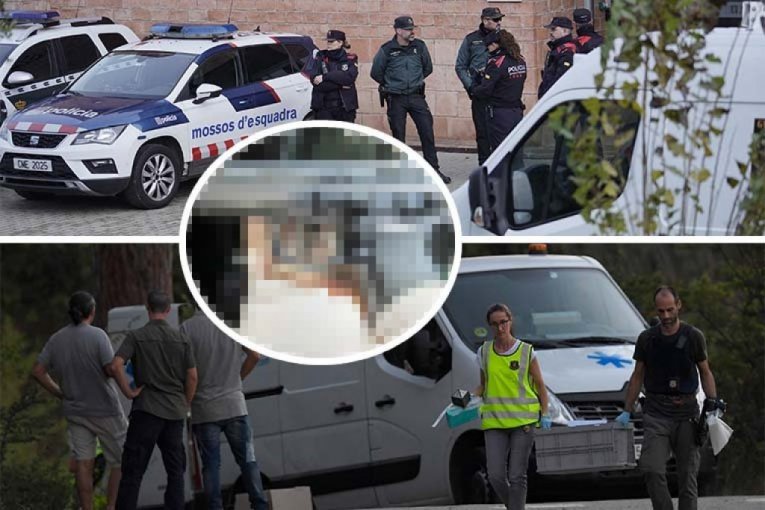
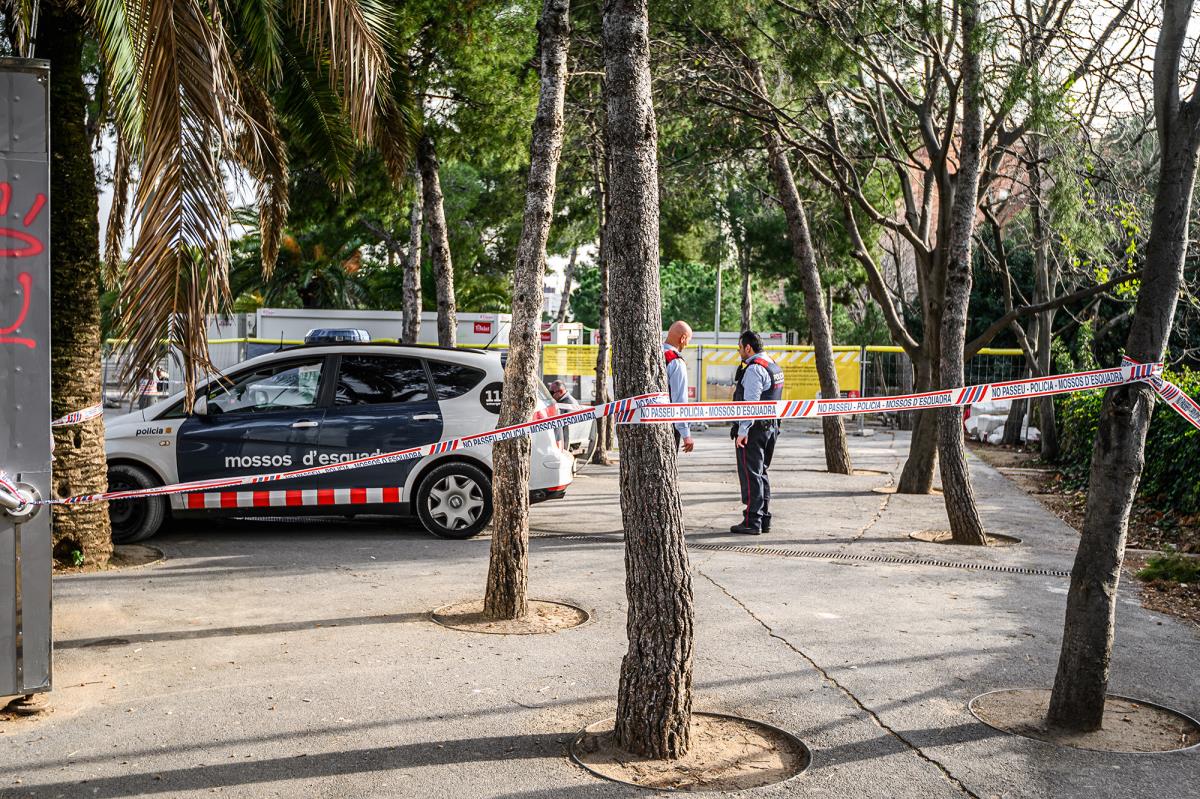
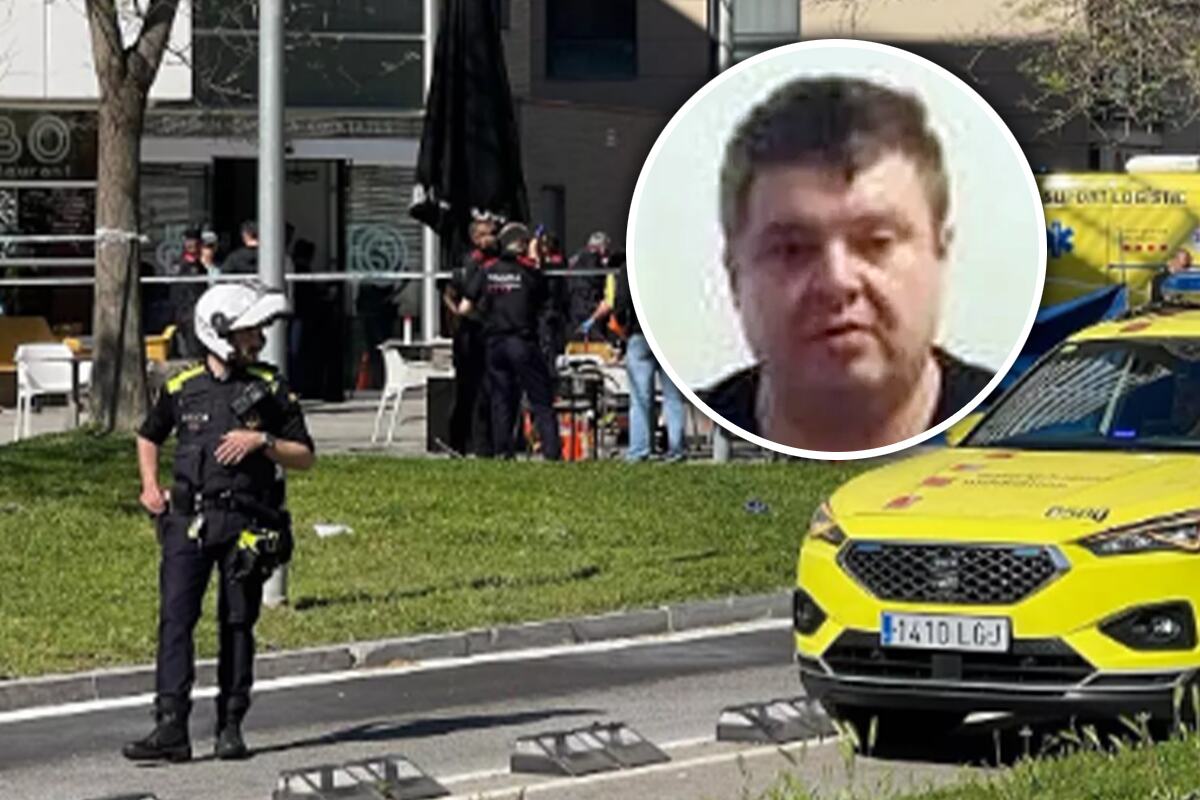
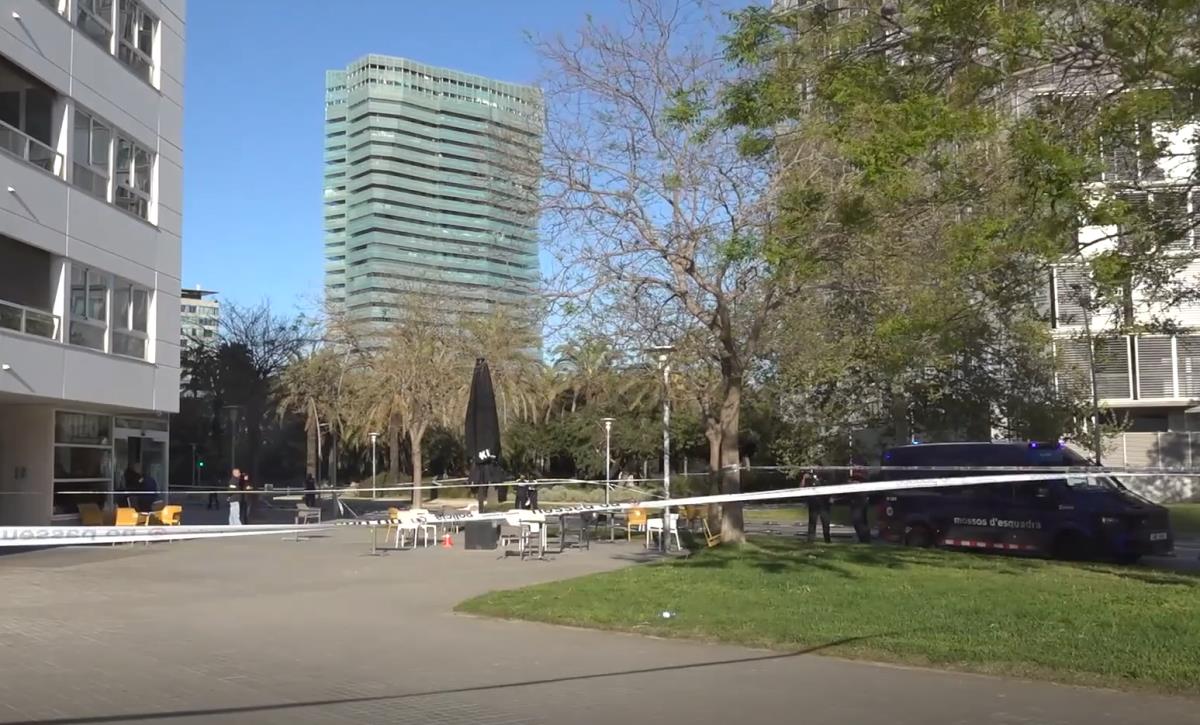
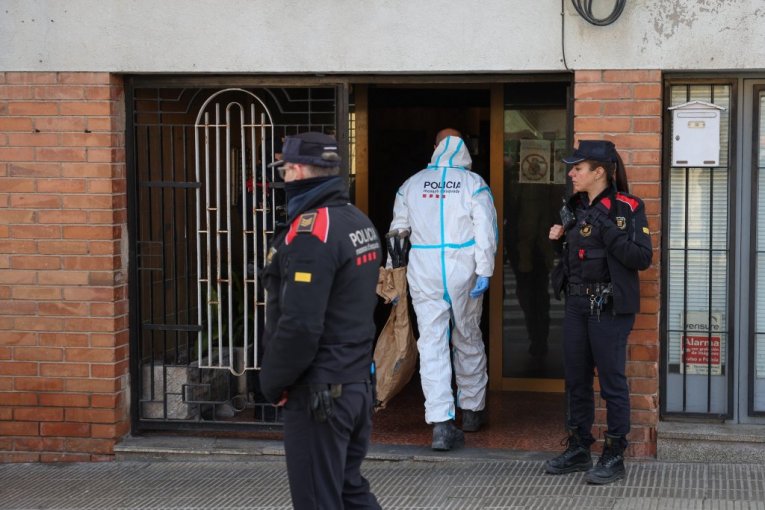
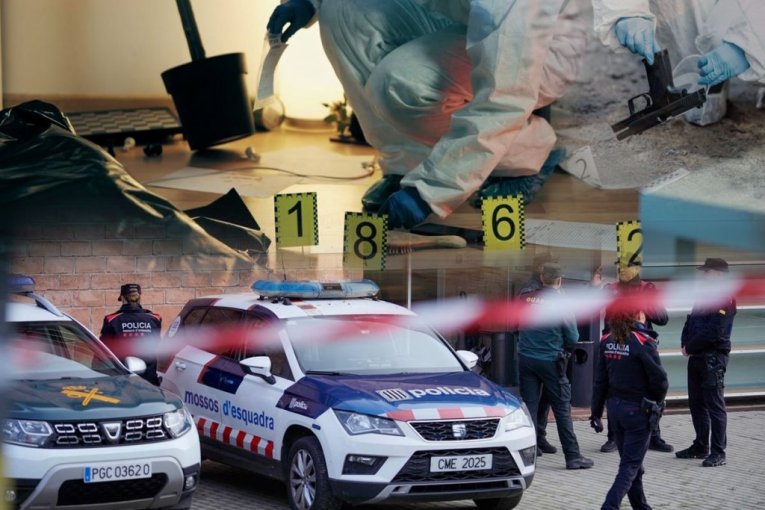
Krsto Vujić, a Serbian national widely described as an alleged high‑ranking member of the Škaljari/Skaljarski clan, was critically wounded in a shooting in Barcelona while sitting at a bar or café terrace, reportedly in the Sant Martí district, and in some accounts accompanied by his wife and child. Across outlets, he is said to have been attacked at close range by at least two masked assailants (some reports mention three), who approached his table and fired multiple shots after an apparent attempt to cut or slit his neck, leaving him lying in a pool of blood before fleeing the scene; he was stabilized on site and transported to hospital, where doctors are fighting for his life and police have opened an investigation.
Both opposition and pro‑government sources agree that Vujić has a long history of involvement in cross‑border organized crime, including links to Balkan drug trafficking networks, and that he is associated with the Škaljari criminal clan and wanted or previously sought by Interpol in connection with serious offenses, including at least one murder case. Coverage on both sides situates the shooting within a broader pattern of violent score‑settling among Balkan criminal groups operating in Spain and Western Europe, noting that Vujić has survived multiple previous assassination attempts and that the café’s owner, Nenad Vinčić, was earlier arrested in a major operation against cocaine and heroin smuggling involving extensive money‑laundering.
Framing of the shooting. Opposition‑aligned outlets tend to frame the Barcelona attack as part of a systemic security failure and the export of Balkan mafia violence enabled by corrupt ties at home, often stressing how a wanted figure could live and move freely until being targeted abroad. Pro‑government media, in contrast, usually present it as a brutal but self‑contained clash within rival criminal clans, focusing on the operational details of the attack and avoiding direct linkage to broader governance or policing failures in Serbia. Opposition narratives accordingly highlight state responsibility in allowing such networks to flourish, while pro‑government reports emphasize the role of Spanish police and international cooperation without questioning domestic institutions.
Portrayal of Vujić. Opposition reporting tends to foreground Vujić as a symbol of entrenched mafia structures, underlining his alleged status as a clan “terminator” and arguing that figures like him could not reach such prominence without political protection. Pro‑government outlets also describe him as an alleged high‑ranking clan member with a serious criminal past, but they depict him primarily as an individual outlaw whose fate illustrates the dangers of gang life rather than any systemic nexus with the ruling establishment. As a result, opposition sources use his biography to critique the broader state–crime ecosystem, whereas pro‑government coverage keeps his image confined to the criminal underworld.
Role of the Serbian state and institutions. Opposition‑aligned media generally question how prior investigations, failed extraditions, and earlier assassination attempts did not lead to more decisive action by Serbian authorities, implying institutional complicity or at least negligence. Pro‑government outlets, by contrast, highlight instances of cooperation with foreign services, past arrests of related figures, and Interpol involvement to suggest that Serbian institutions have acted within their remit. Where opposition coverage casts the Barcelona shooting as evidence that domestic reforms against organized crime are insufficient or cosmetic, pro‑government narratives portray it as part of a transnational law‑enforcement challenge that Serbia is helping to address.
Implications for domestic politics. Opposition sources frequently extend the discussion from Vujić’s case to current power structures, arguing that recurring gang shootouts abroad damage Serbia’s reputation and reflect the entrenchment of criminal interests around the ruling party. Pro‑government outlets largely avoid drawing lines from the incident to internal political debates, treating it as a foreign crime story involving a Serbian suspect and stressing that Spanish authorities are in charge. Thus, while opposition media use the event to fuel calls for accountability and deeper anti‑mafia reforms, pro‑government media tend to compartmentalize it away from domestic political contention.
In summary, opposition coverage tends to use the Barcelona shooting as a lens on alleged state–mafia entanglement and institutional failure, while pro-government coverage tends to present it as an isolated gangland episode centered on one long‑wanted criminal and managed primarily by foreign authorities.