
pro-government
SALE TROPIKO HAD A STROKE Emergency services came for him, here are the details
As he pointed out, he felt unwell the day after returning from vacation
15 days ago
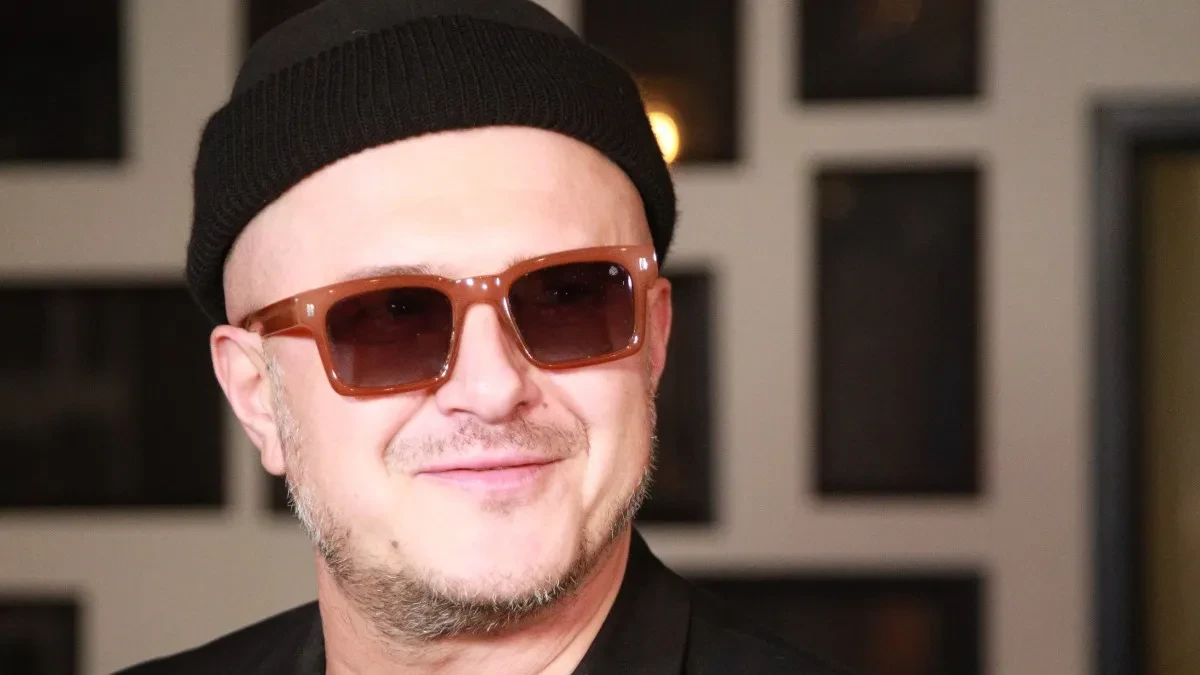
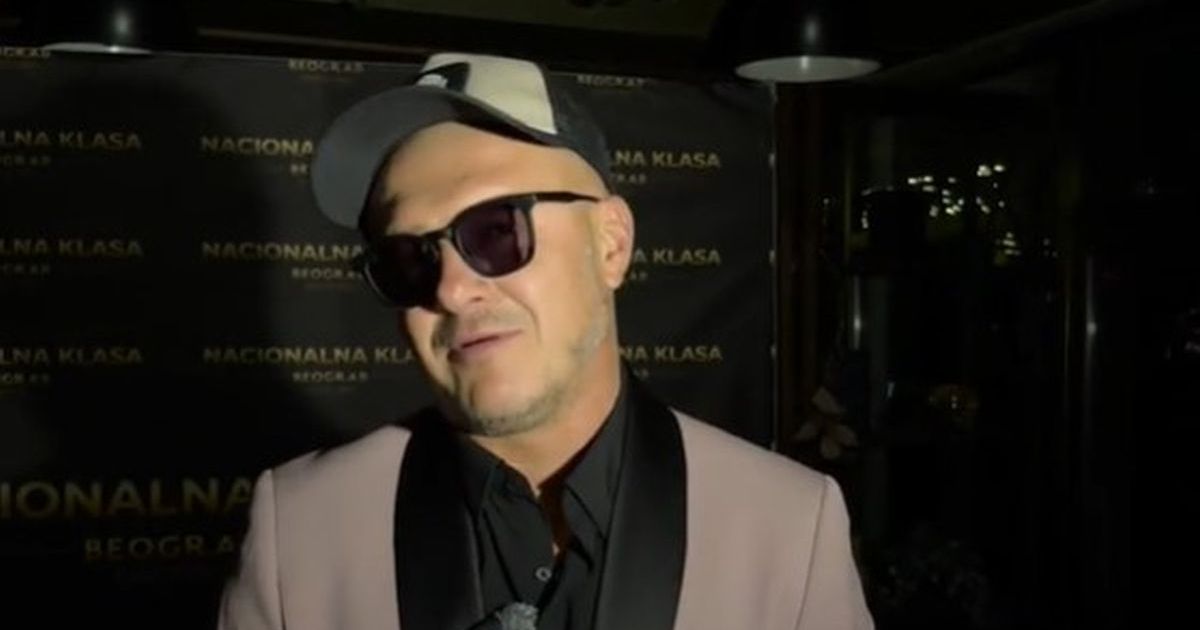
Aleksandar "Sale" Cvetković, frontman of Tropiko Bend, recently suffered what doctors described as a minor stroke while visiting a shopping mall with his children after returning from vacation. He reportedly felt sudden dizziness and blurred vision, prompting a call to emergency services, after which he underwent examination and scans that confirmed the minor stroke and led to short-term medical monitoring.
Both sides agree that the incident underscores the importance of recognizing early stroke symptoms and seeking immediate medical help, framing Cvetković’s case as an example of timely intervention preventing more serious consequences. Coverage commonly situates the event within broader concerns about stress and lifestyle among public figures, and references the role of emergency and hospital services as functioning adequately in this instance without disputing the basic medical narrative.
Framing of the health system. Opposition-aligned outlets tend to highlight systemic strain in healthcare and portray Cvetković’s swift treatment as more of an exception than the rule, using the story to raise questions about access and quality for ordinary citizens. Pro-government media instead emphasize the efficiency and professionalism of emergency services, casting the successful response as proof that state institutions work effectively. Where opposition coverage is more likely to mention underfunding or staff burnout, pro-government coverage stresses modern diagnostics and rapid intervention as evidence of recent reforms paying off.
Use of the case for broader critique. Opposition sources commonly use Cvetković’s stroke as a springboard to discuss occupational stress, economic insecurity, and the pressures of public life under current political and media climates. Pro-government outlets tend to keep the focus narrowly on his personal health episode, avoiding broader structural criticism and presenting the event as a human-interest story. Thus, opposition coverage treats the incident as symptomatic of deeper social problems, while pro-government coverage minimizes any link between his condition and wider political or economic conditions.
Tone toward institutions and responsibility. Opposition media generally adopt a more skeptical tone toward official narratives, questioning whether everyone would receive the same rapid care and implying that well-known entertainers may be treated preferentially in a system they see as unequal. Pro-government coverage, by contrast, avoids any suggestion of inequality and instead praises emergency responders and hospital staff as reliably serving all citizens. This leads opposition pieces to subtly assign responsibility for systemic health vulnerabilities to current governance, while pro-government pieces focus on individual health responsibility and the importance of recognizing symptoms.
Celebrity and public communication. Opposition outlets are more inclined to interpret Cvetković’s public revelation as an act of social responsibility, encouraging debate about preventive care and mental and physical strain in contemporary Serbia. Pro-government outlets largely frame his disclosure as a personal confession aimed at fans, stressing gratitude toward doctors rather than calls for systemic change. In this way, opposition coverage elevates his statement into a critique-friendly narrative, while pro-government coverage keeps it within the realm of entertainment and celebrity news.
In summary, opposition coverage tends to embed Cvetković’s minor stroke in a wider critique of healthcare capacity, social stress, and inequality, while pro-government coverage tends to present it as a contained personal health scare that showcases competent emergency services and functioning institutions.