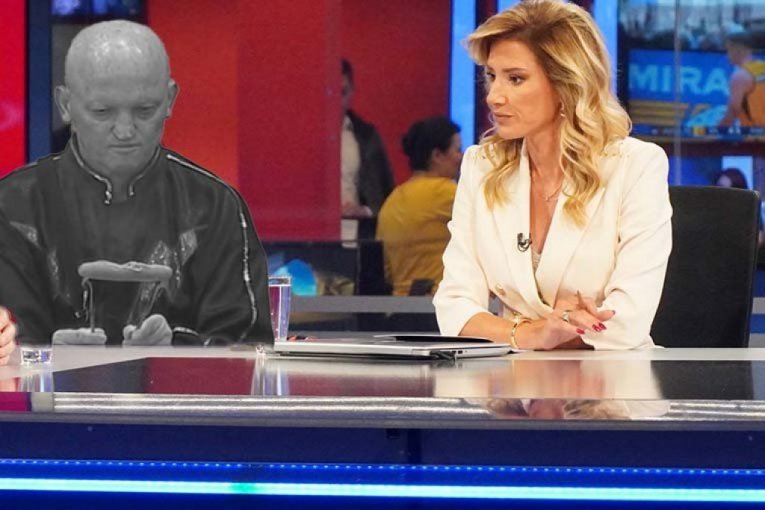
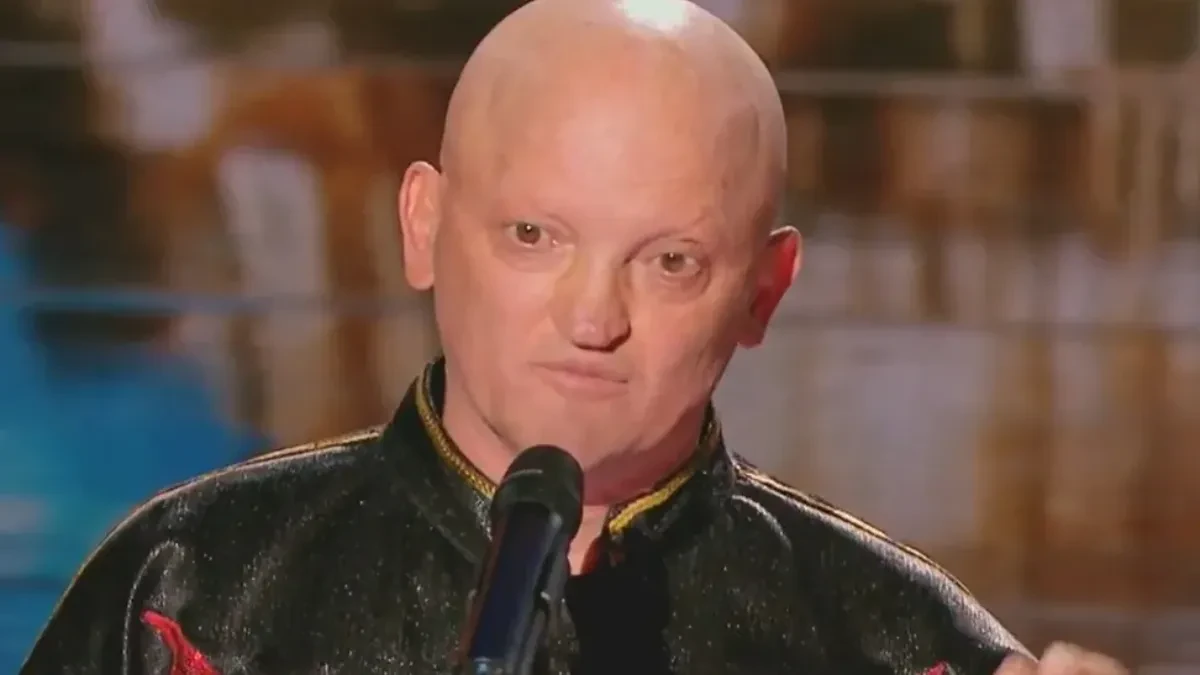
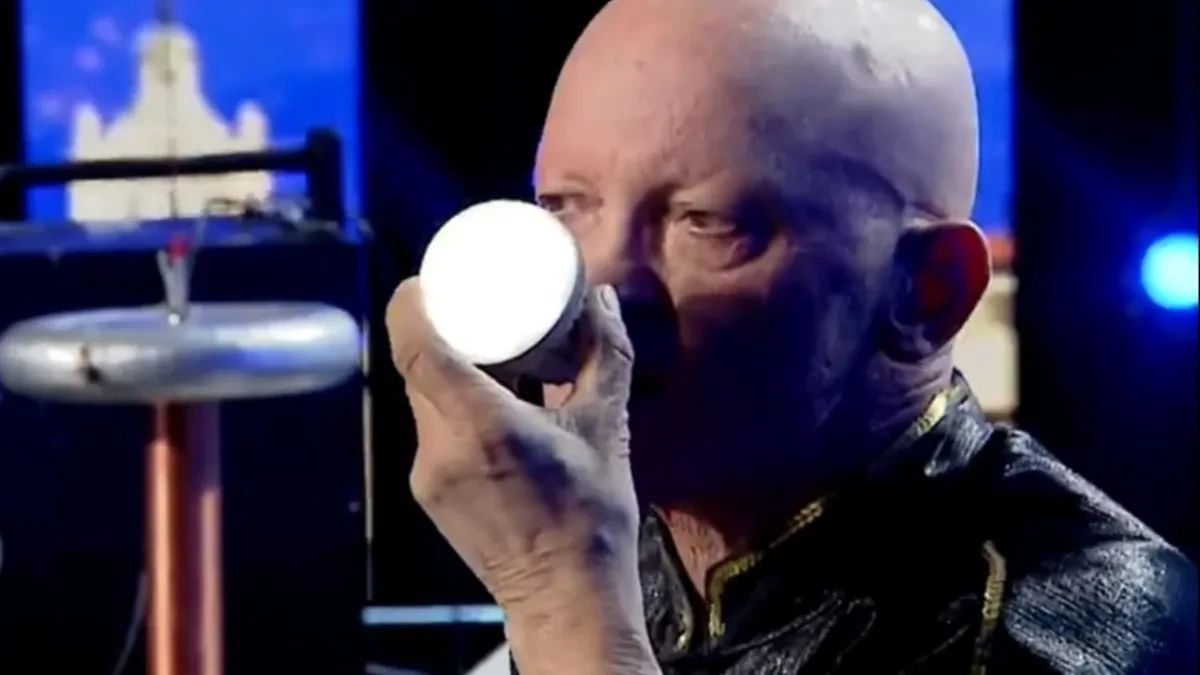
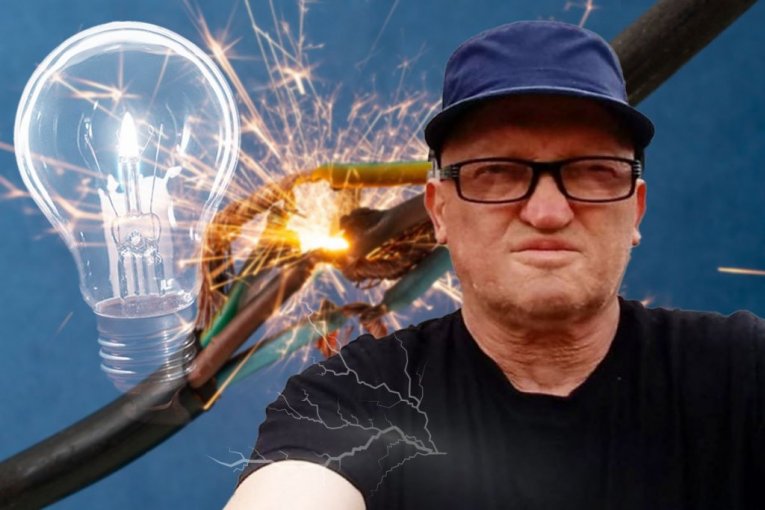
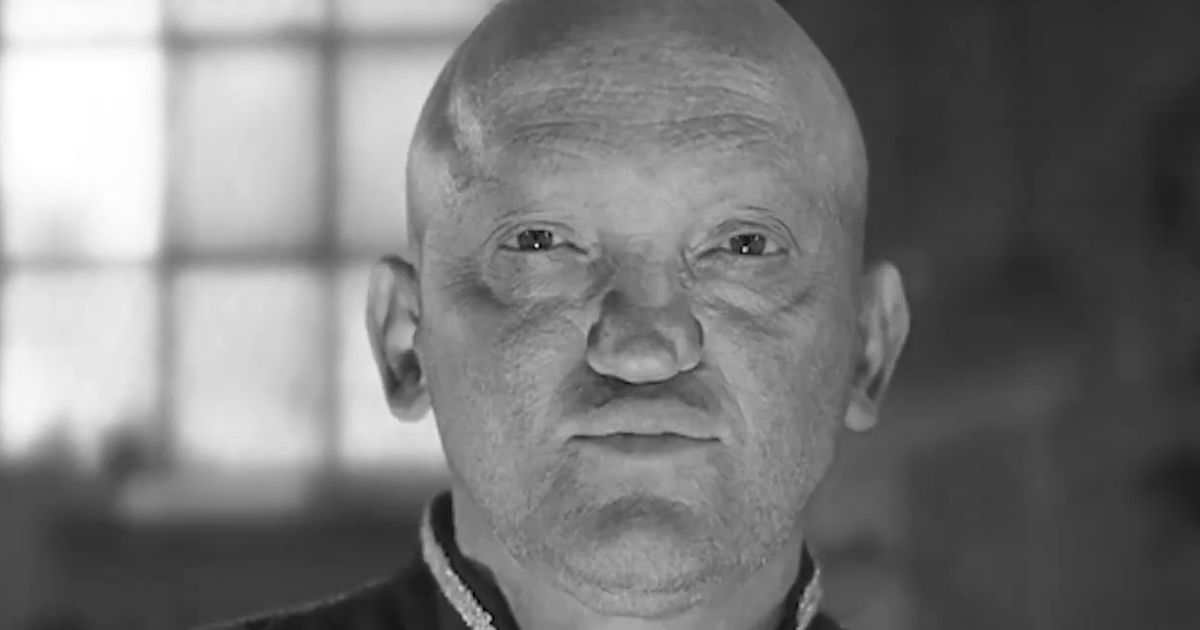
Slaviša Pajkić, widely known as Biba Struja, has been reported dead by both opposition and pro-government outlets, with agreement that the cause was an aggressive form of brain cancer, described as multicentric glioblastoma or GBM. Coverage converges on key biographical facts: he discovered his unusual tolerance for electricity in his teens, built a career performing stunts such as lighting bulbs, heating water, and cooking sausages with his body, and earned at least one, often described as two, Guinness World Records related to electrical endurance. Both sides note that his son, Dejan, confirmed the diagnosis and rapid progression of the illness, stress that the death followed a relatively brief but severe course, and mention that he died in his late sixties, usually framed as 67–69 years old. There is also shared reporting that he was buried in or near his hometown of Poljane, close to Požarevac, and that the funeral was relatively private and away from broader public attention.
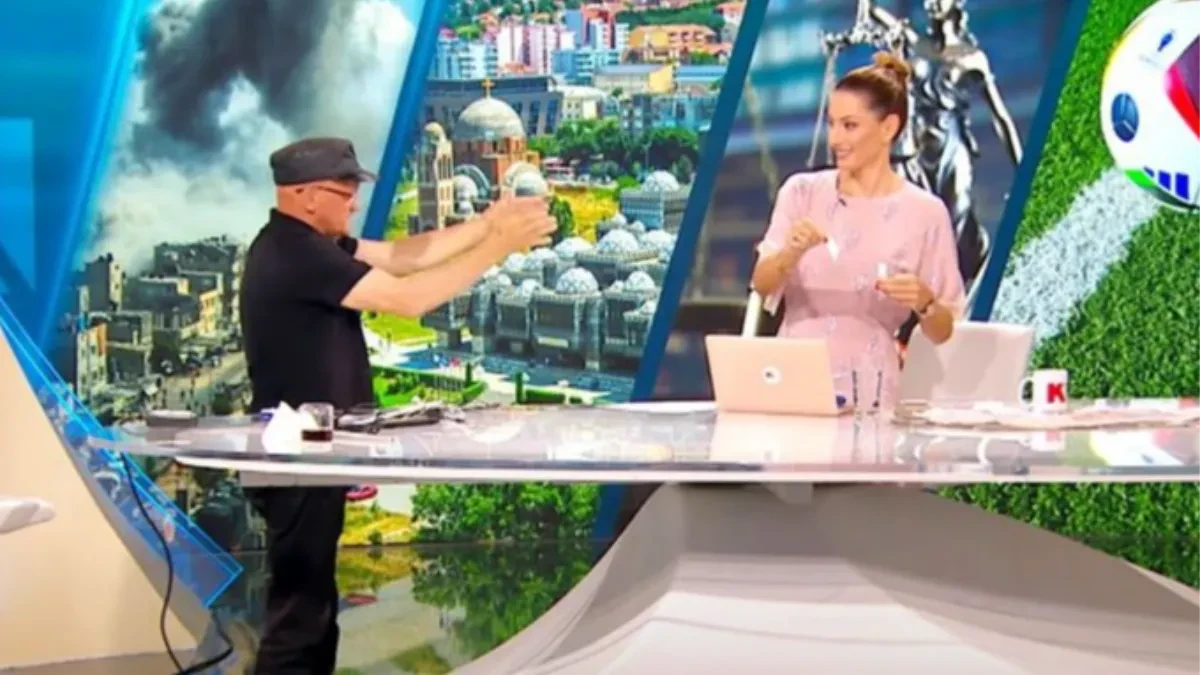
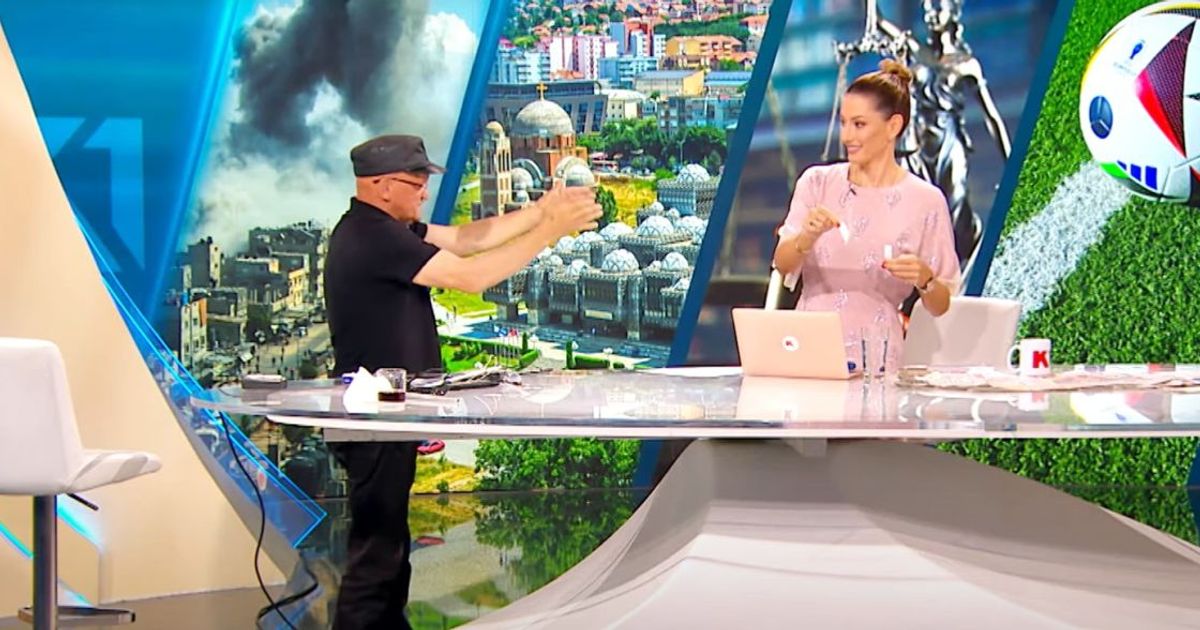
Across the spectrum, media agree on contextual points about Pajkić’s public persona and the scientific curiosity he attracted. Outlets on both sides highlight that he became a regional and even international media figure through television appearances and later viral internet clips, often shocking audiences and hosts on live programs, including the well-known morning-show interaction with Jovana Joksimović. They commonly reference that researchers linked his resistance to electricity to ectodermal dysplasia, a rare condition associated with unusually dry, insulating skin and lack of sweat glands, while also noting that parts of the scientific community remained skeptical or divided about the full explanation of his abilities. Both opposition and pro-government sources situate his life within popular culture rather than formal institutions, presenting him as an eccentric but emblematic character of post-Yugoslav media entertainment and a symbol of how fringe talents can gain mainstream attention.
Areas of disagreement
Tone and framing of his legacy. Opposition-aligned outlets tend to frame Pajkić as a quirky but ultimately marginal showman whose fame says more about the sensationalism of Serbian media than about science, sometimes using his story to critique the country’s cultural priorities. Pro-government media, by contrast, generally elevate him as a unique national curiosity and a source of pride, emphasizing his Guinness records, international notice, and “defiance” of physical laws. Where opposition pieces may underline the kitsch aspects of his TV stunts or the exploitation of his persona, pro-government coverage leans into affectionate nostalgia and portrays him as a beloved figure who enriched popular culture.
Scientific interpretation and skepticism. Opposition coverage is more likely to lean on the ambiguity and doubts expressed by scientists, stressing that the nature of his abilities was never rigorously proven and hinting at showmanship, trickery, or at least exaggeration behind some demonstrations. Pro-government outlets generally foreground the ectodermal dysplasia explanation as a sufficient and almost definitive scientific basis and repeat the Guinness framing as implicit validation of his feats. While opposition sources underscore the lack of consensus and sometimes invoke experts questioning methodology or safety, pro-government reports tend to sidestep or soften these doubts, presenting him as a medically documented phenomenon.
Privacy, illness, and system critique. Opposition-aligned media are more inclined to connect the secrecy around his illness and low-profile burial with broader issues in Serbian healthcare and social support, implying that even famous figures can die relatively unnoticed and inadequately supported. They may raise questions about his access to advanced treatment or palliative care, situating his rapid decline within systemic underfunding and mismanagement. Pro-government outlets instead focus on the personal choice of the family to grieve in private, describing the quiet funeral as dignified and respecting their wishes, and largely avoid linking his death to institutional or political shortcomings.
Symbolic meaning of his story. For opposition media, Pajkić’s trajectory is sometimes presented as emblematic of a country that rewards spectacle over substance, with his TV virality and Guinness accolades contrasted against a lack of investment in formal science, education, and research. They may use his story as a metaphor for a society captivated by anomalies while neglecting structural reforms. Pro-government coverage, conversely, tends to cast him as proof of Serbian uniqueness and resilience, a man from modest origins whose unusual physiology and persistence brought the country positive international attention, fitting him into a narrative of national distinctiveness rather than systemic critique.
In summary, opposition coverage tends to treat Biba Struja’s death as an occasion to question media sensationalism, scientific rigor, and broader systemic issues in Serbia, while pro-government coverage tends to celebrate him as a one-of-a-kind national figure, emphasize medical and Guinness validation of his abilities, and frame his passing in warmly nostalgic and apolitical terms.