Pentagon planning documents, as reported by multiple outlets, describe potential limited ground operations in Iran that would combine special operations forces with conventional infantry for missions expected to last weeks rather than days. Both opposition and pro-government sources agree that several thousand US Marines and paratroopers have been put on standby or have already arrived in the broader Middle East theater, including roughly three and a half thousand Marines embarked on the USS Tripoli, along with other warships such as the USS Boxer, to provide troops, aircraft, and tactical support. They also concur that these options remain contingent on presidential approval, that President Donald Trump has not yet definitively authorized a ground campaign, and that the planning includes potential targets like Harg Island and coastal areas near the Strait of Hormuz.
In terms of broader context, both sides frame these developments within an escalating US–Iran confrontation that already involves tens of thousands of US soldiers deployed in the region. They note that the Pentagon routinely prepares contingency plans for possible conflicts and that these ground-operation scenarios are part of a wider toolkit that includes naval and air power as well as special forces raids. The shared coverage underscores that Washington is weighing “limited” or “targeted” incursions rather than a full-scale invasion, and that regional allies, Gulf bases, and maritime chokepoints like the Strait of Hormuz form the strategic backdrop for any potential US action.
Areas of disagreement
Nature and scale of the operation. Opposition-aligned outlets tend to describe the plans as weeks-long but still bounded, emphasizing “limited” ground operations with a few thousand Marines and paratroopers as part of a constrained contingency option. Pro-government coverage, by contrast, highlights figures like 50,000 US soldiers already involved in the broader conflict and stresses the arrival of reinforcements to imply a much larger and more entrenched US military build-up. While the opposition tone suggests serious but still calibratable escalation, pro-government narratives frame the same planning as part of a near-war footing and a region-wide military confrontation.
Framing of military effectiveness and risk. Opposition sources primarily focus on the logistical and strategic dimensions, such as which units are on standby and which platforms like the USS Tripoli and USS Boxer are in theater, and they leave questions of battlefield outcomes largely open. Pro-government outlets, however, inject claims of Iranian successes—such as having allegedly destroyed an AWACS aircraft or fired on Ukrainians in the Gulf region—to portray US and allied forces as vulnerable and already suffering setbacks. Thus, while opposition reporting treats the plans as serious but untested contingencies, pro-government narratives present them in a context where Iran and its partners are already countering and degrading US capabilities.
Portrayal of US intent and political decision-making. Opposition coverage stresses uncertainty around President Trump’s willingness to approve such ground operations, pointing to internal debates and the possibility that the plans could remain on the shelf. Pro-government sources mention the same uncertainty but often imply that US intent is inherently aggressive and expansionist, casting the Pentagon’s planning as another manifestation of longstanding US hostility toward Iran. In this way, opposition outlets frame the plans as one option among many in a contested policy process, whereas pro-government media frame them as a near-inevitable extension of US designs that Iran must actively resist.
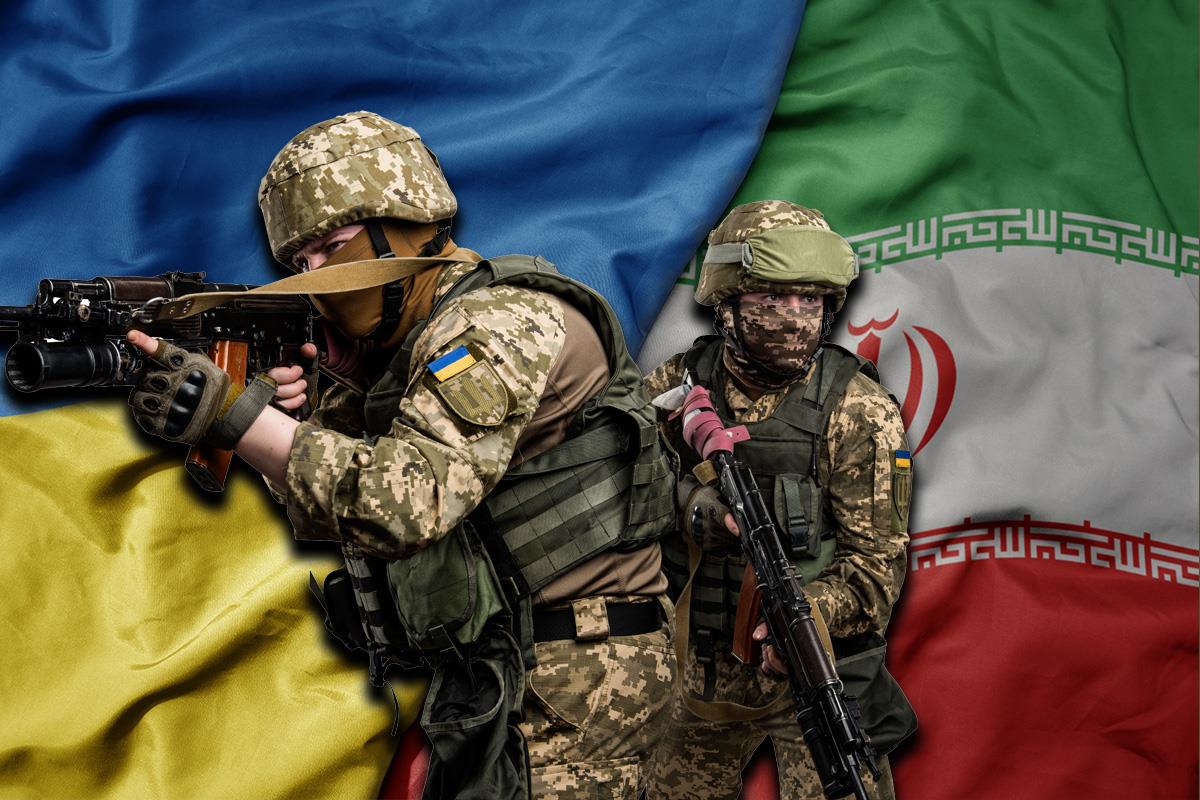
Role of regional and external actors. Opposition-aligned reporting keeps its focus largely on US forces and decision-making, with only passing reference to regional geography and allies. Pro-government outlets instead expand the frame to include alleged participation or positioning of non-US forces—such as purported Ukrainian troops in Emirates and Kuwait—and emphasize Pakistan’s diplomatic moves, using these details to suggest a wider coalition aligned with US and Israeli interests. Consequently, opposition coverage depicts a primarily US–Iran dynamic, while pro-government coverage situates the episode in a broader anti-Iran alignment that justifies heightened Iranian vigilance.
In summary, opposition coverage tends to treat the Pentagon’s Iran ground-operation plans as serious but still conditional contingency options situated within a broader, contested US policy debate, while pro-government coverage tends to present the same plans as evidence of an expansive, already unfolding military campaign against Iran that is being met with active resistance and regional countermeasures.